Day 12: The Amalfi Drive
September 22, 2026
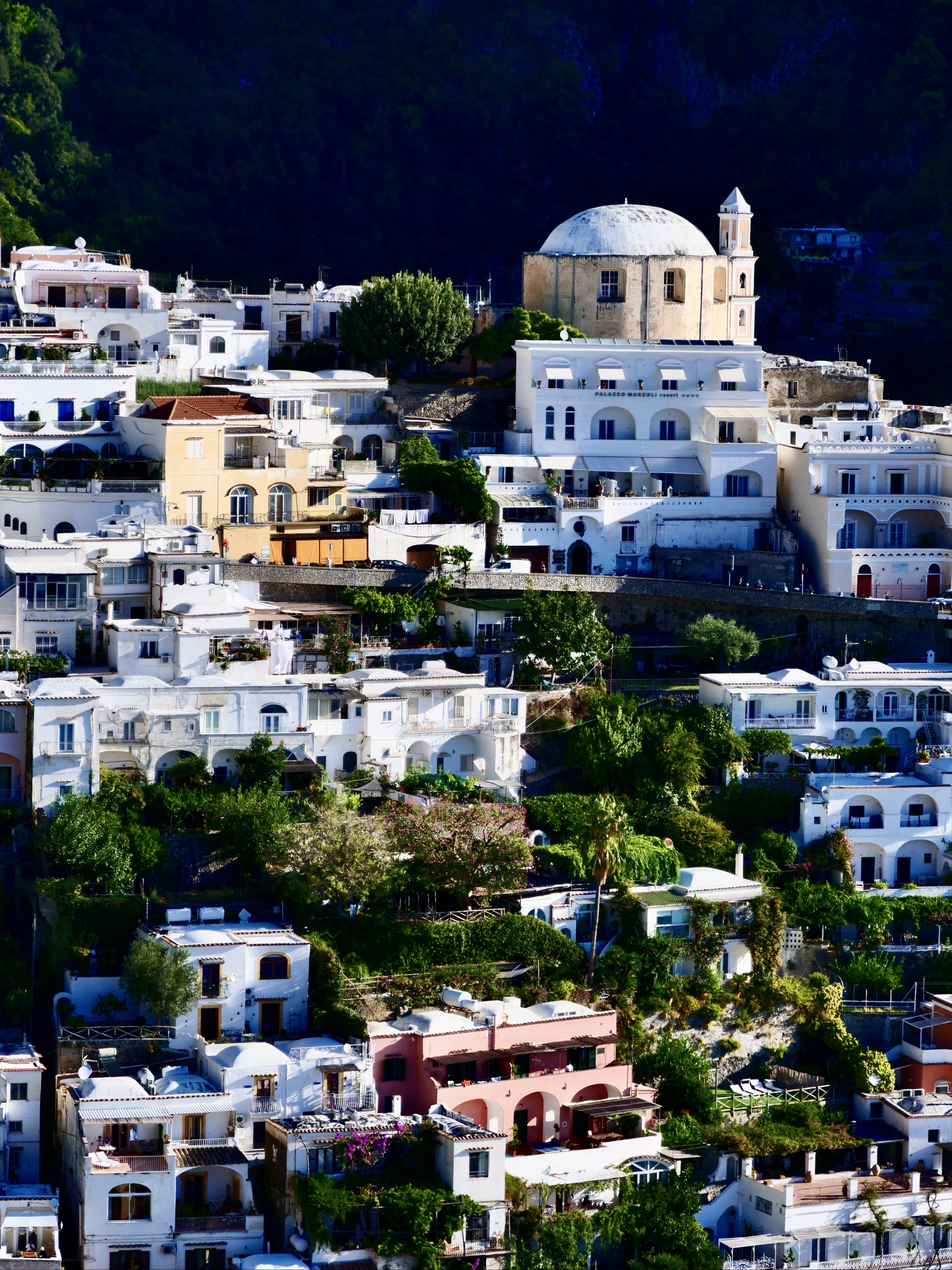
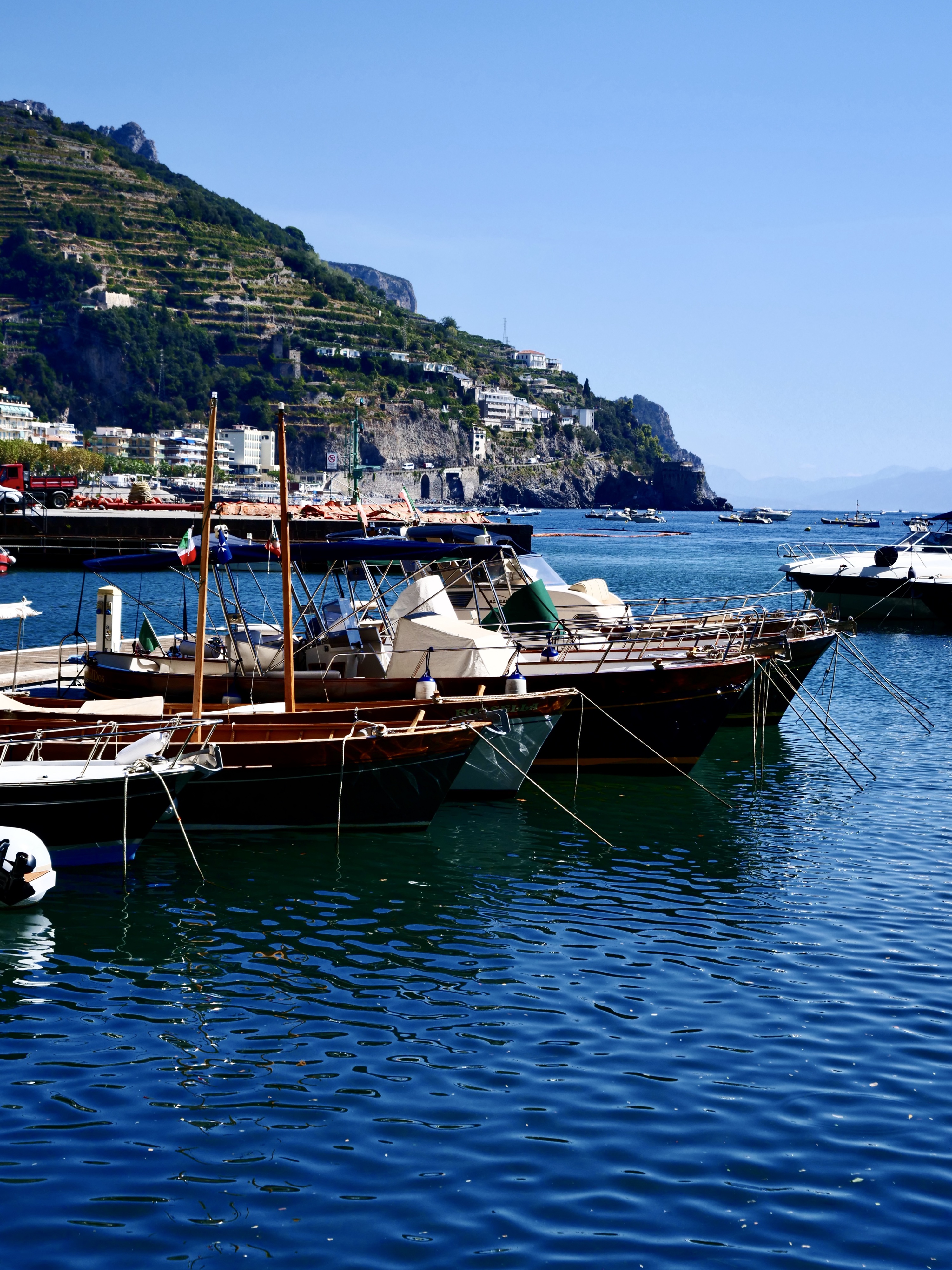
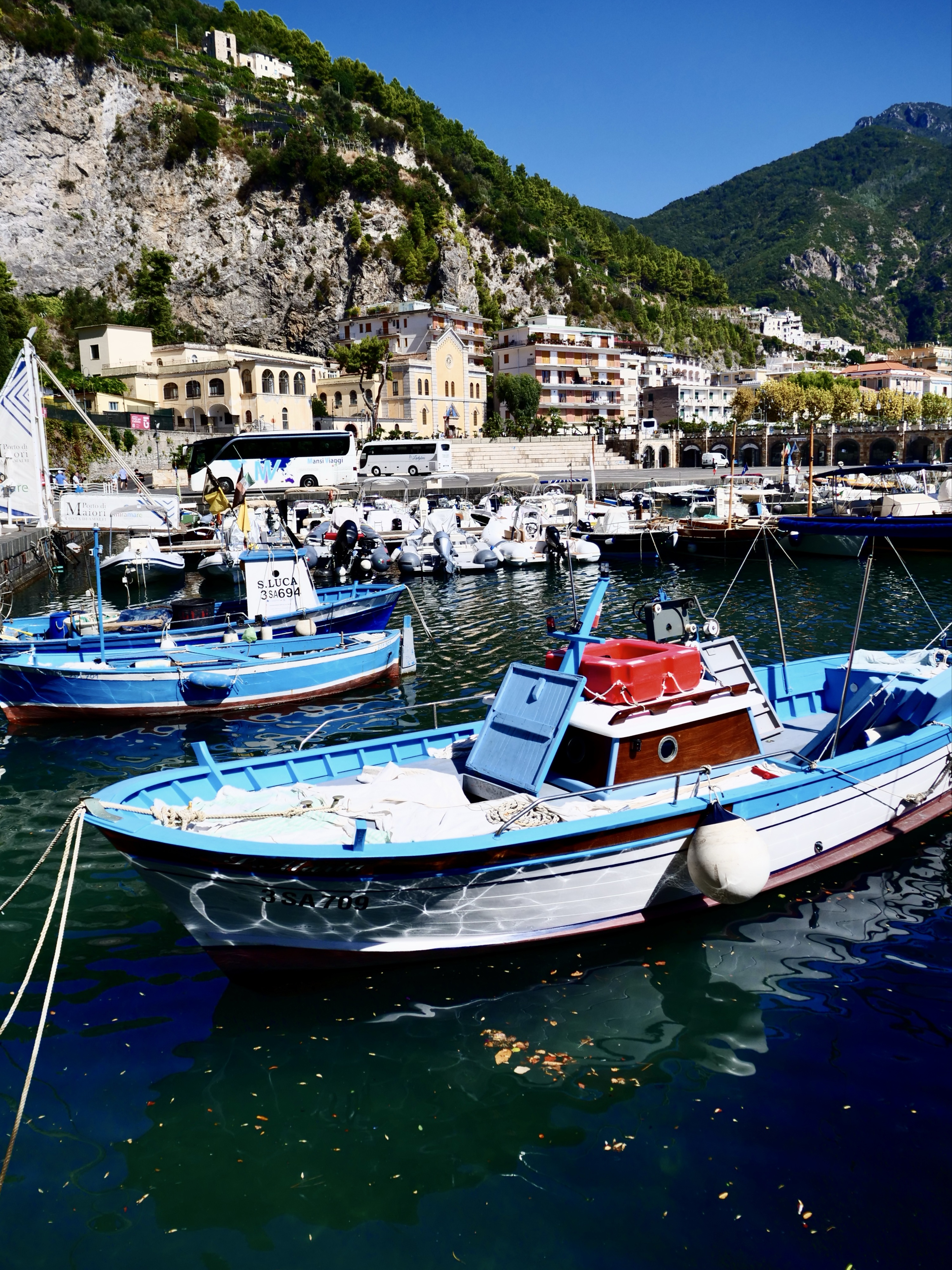
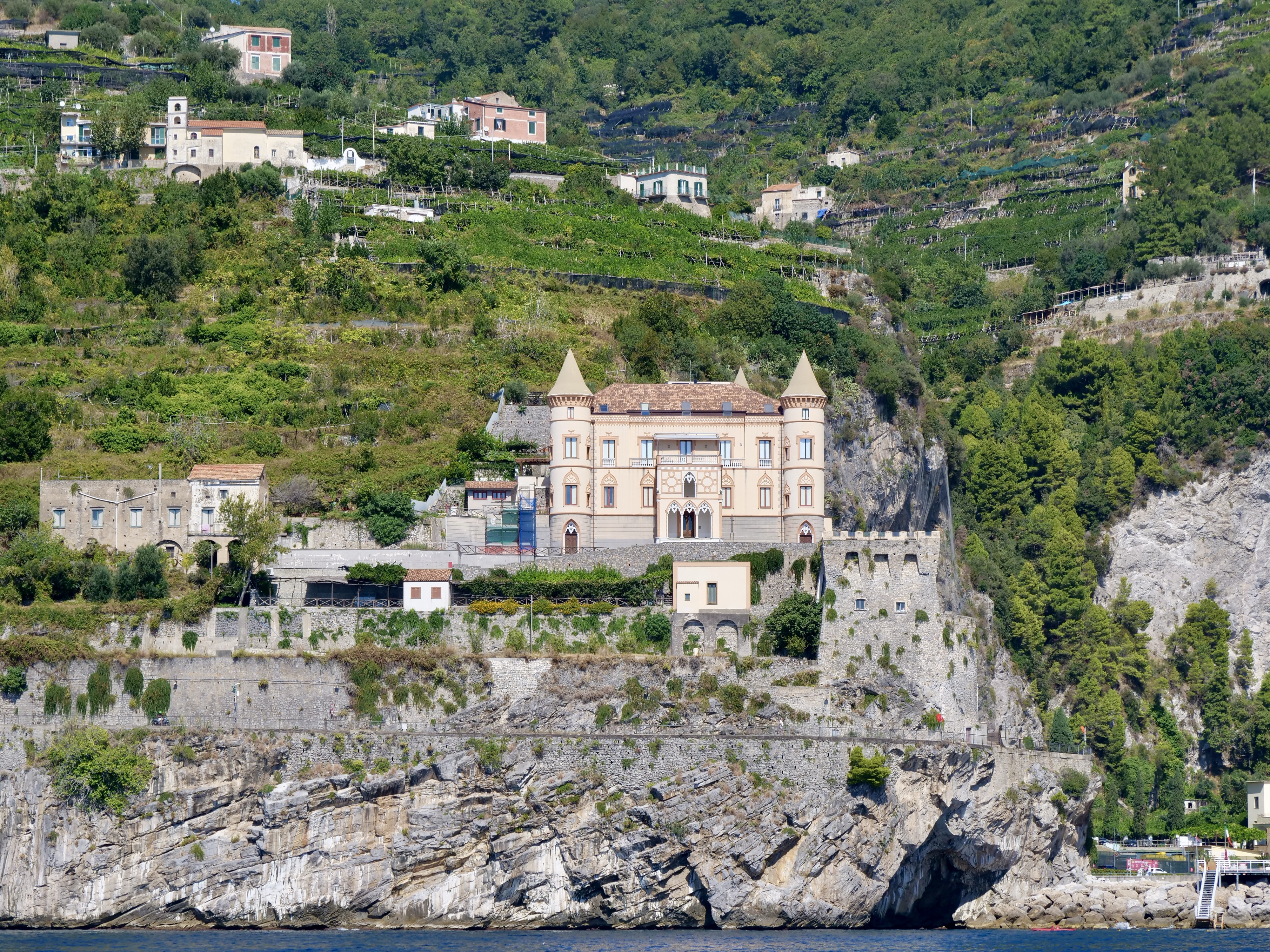
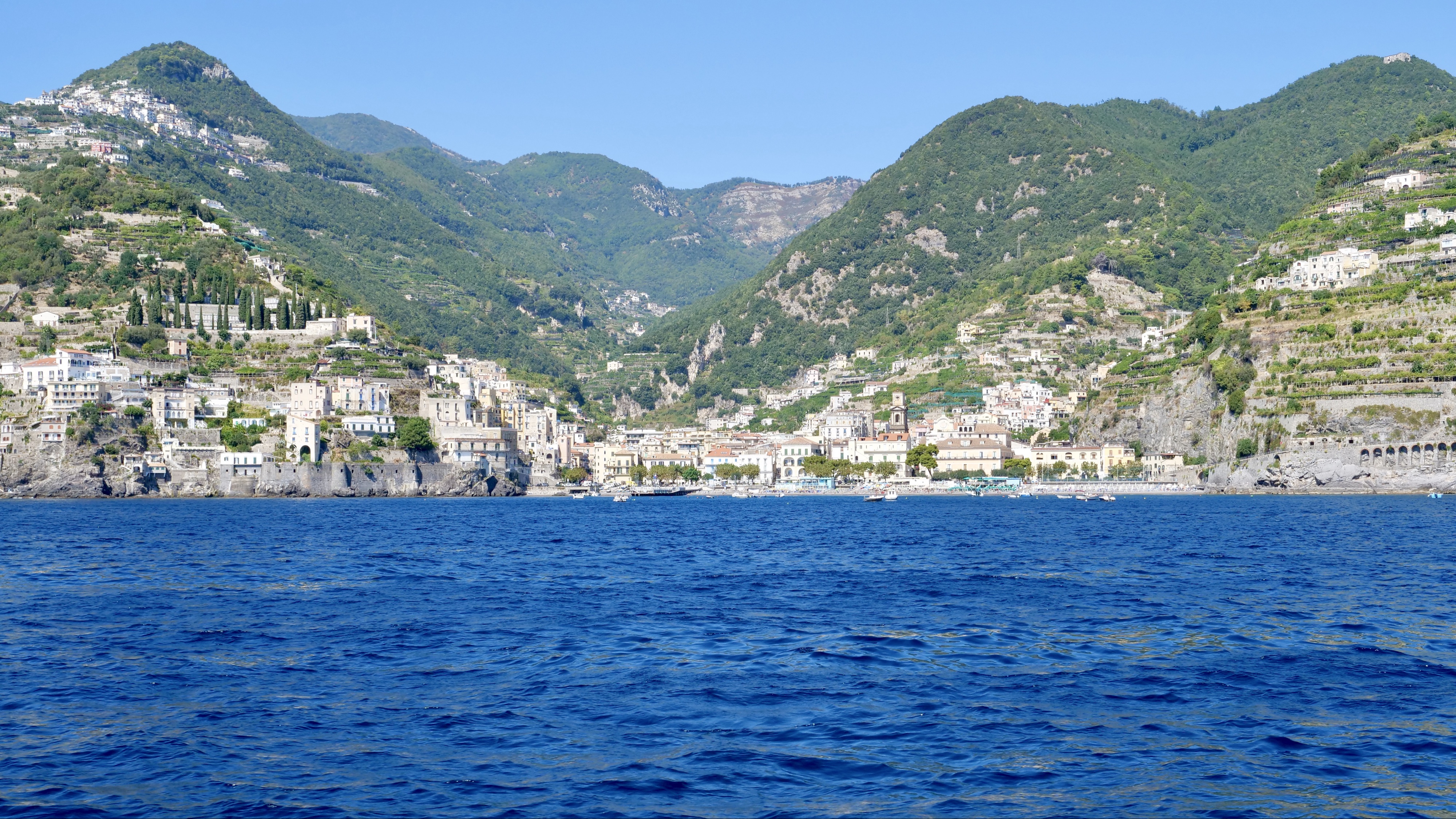
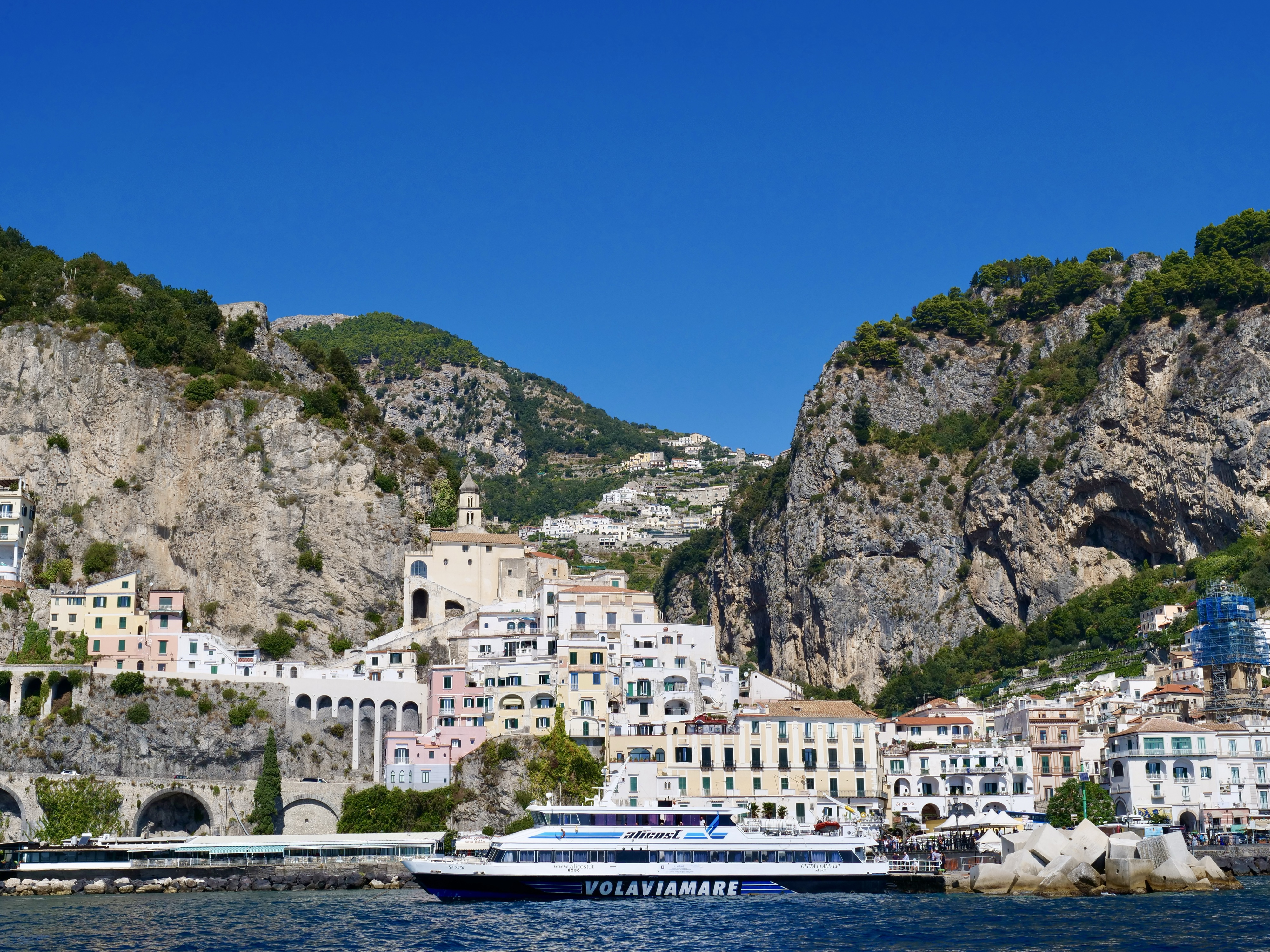
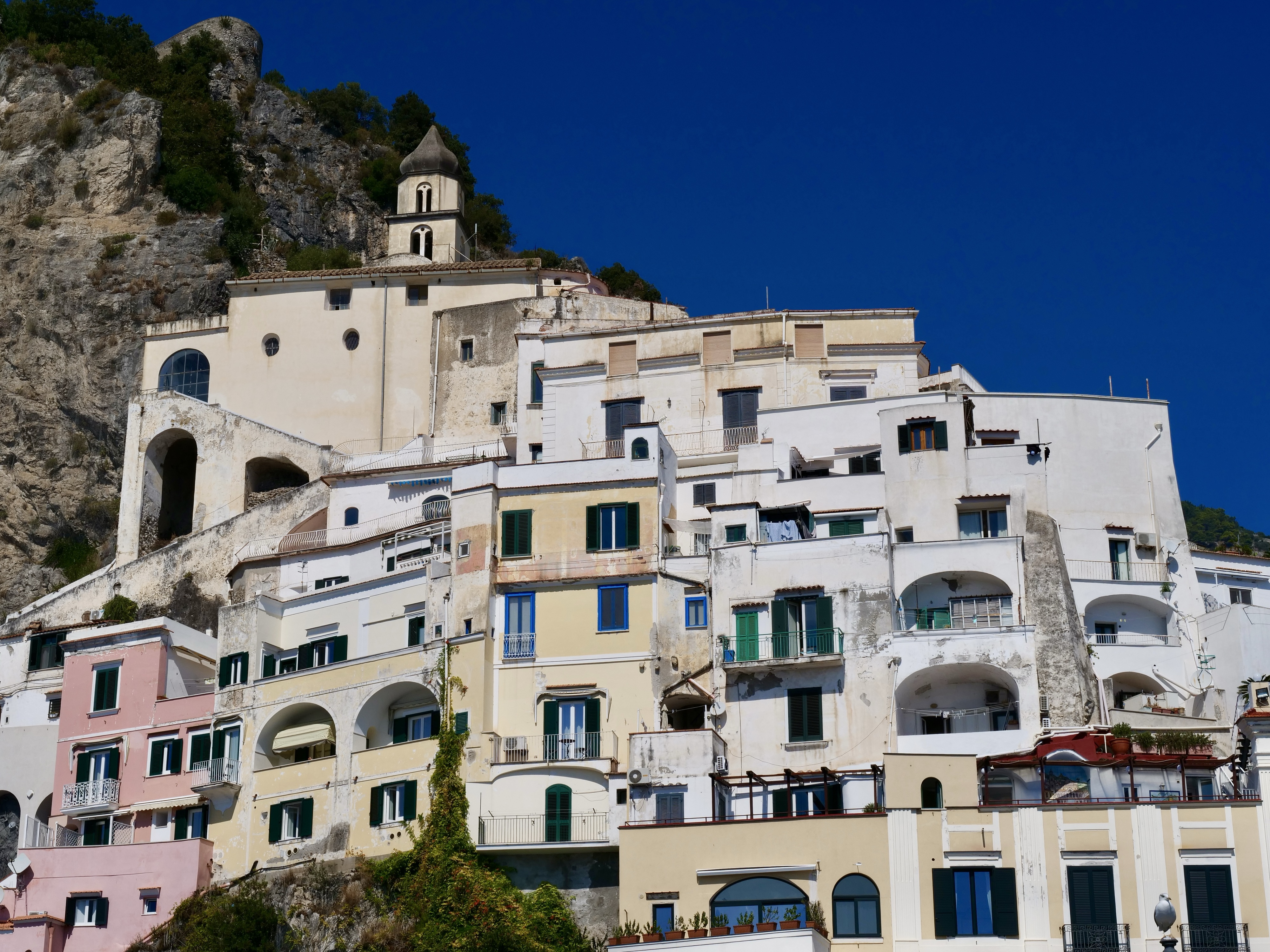
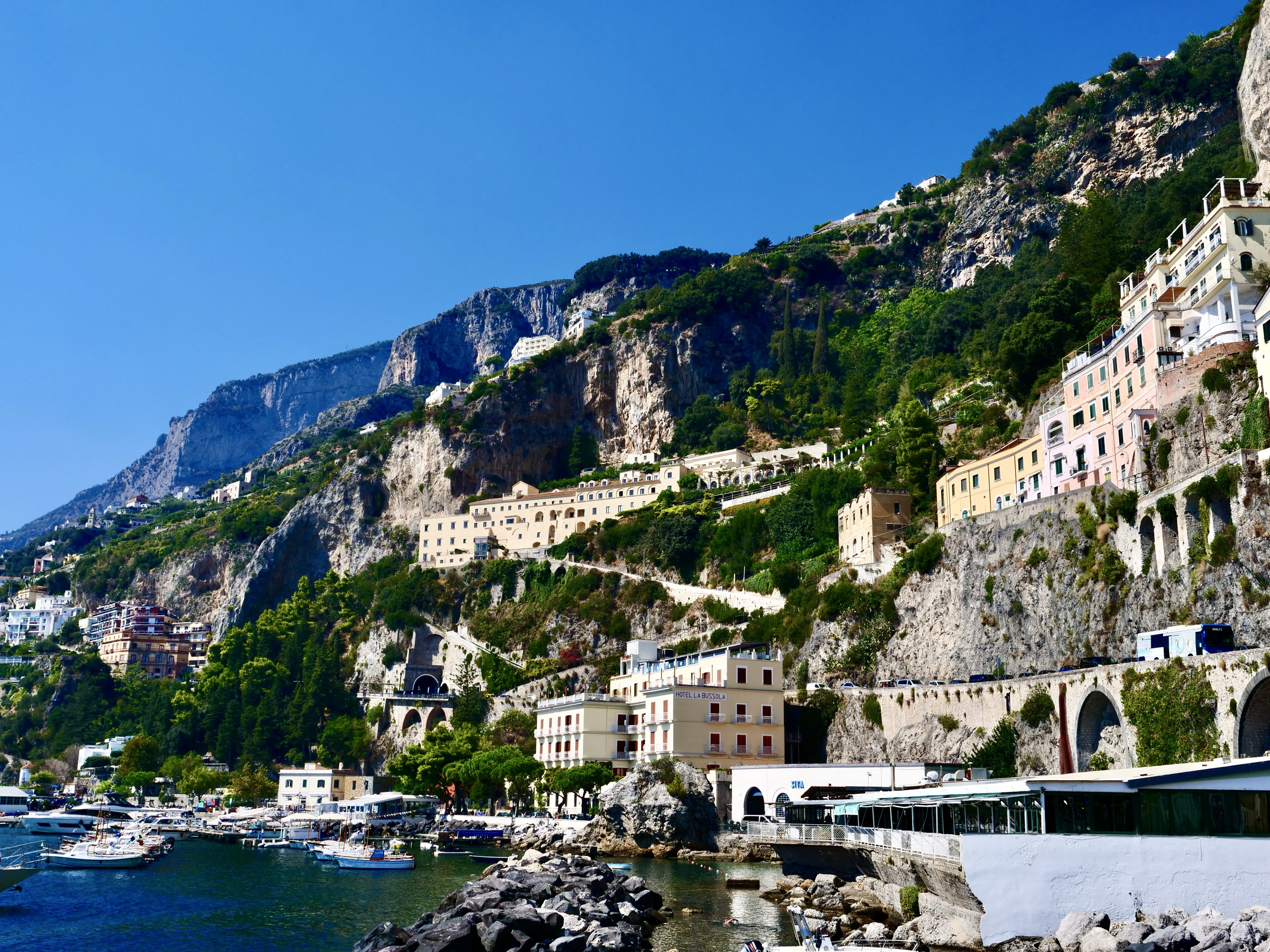
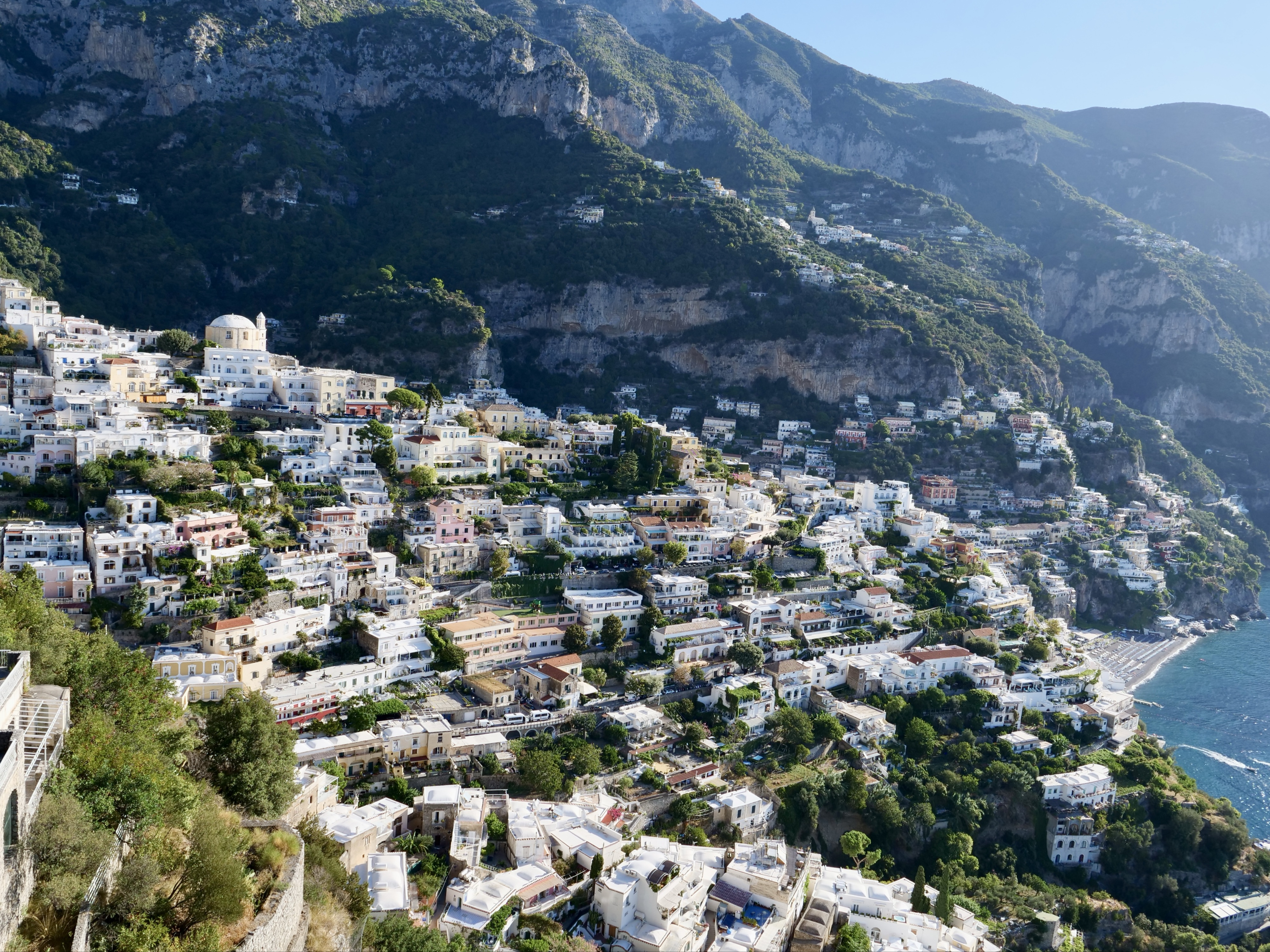
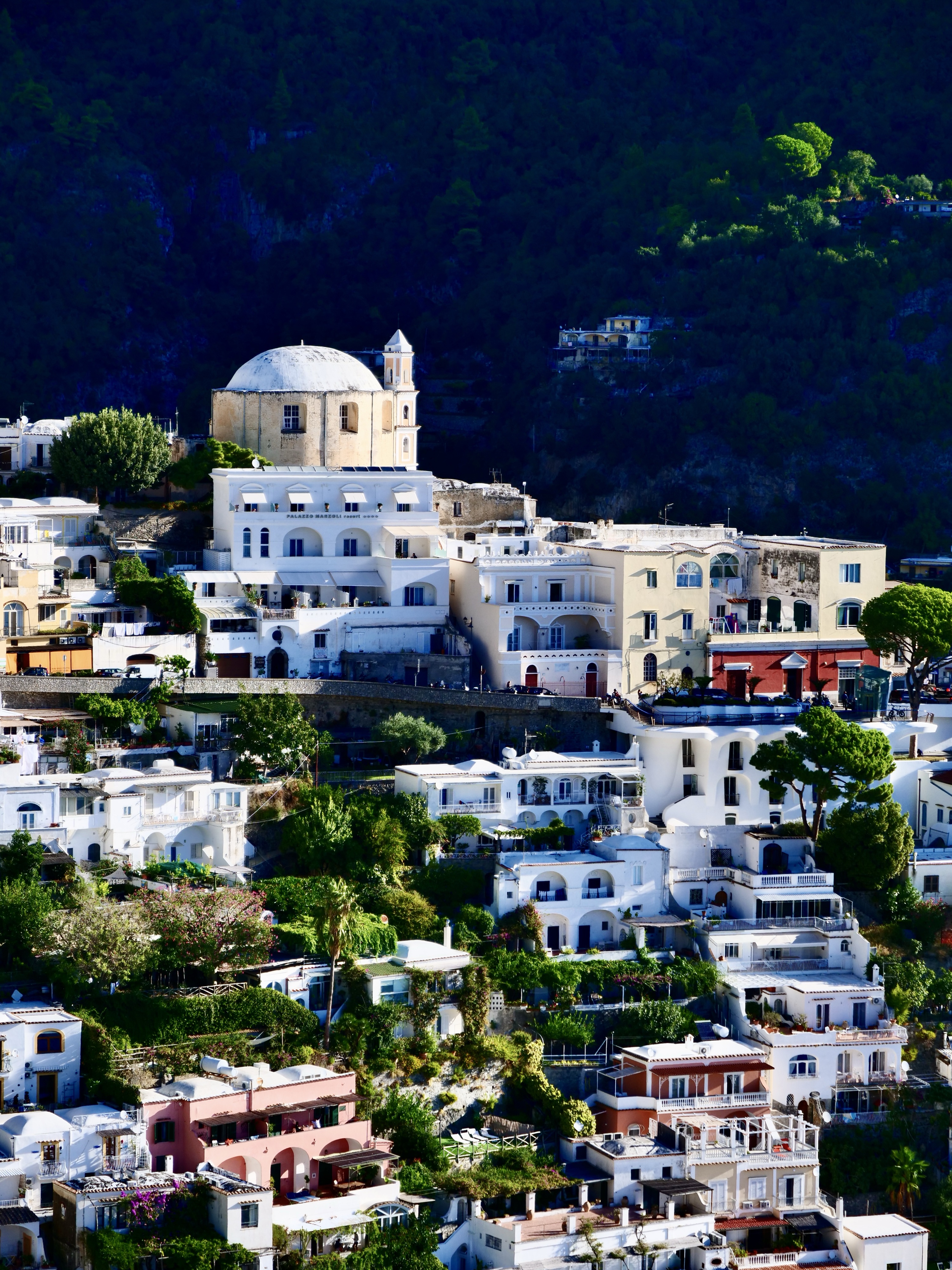
The Amalfi Coast road is genuinely one of the most spectacular drives anywhere - narrow curves and hairpin bends threading past whitewashed villas, lemon groves terraced into the cliffs, and turquoise water the whole way
The center of Amalfi town, the Duomo di Sant'Andrea sits at the top of a long staircase rising straight off the main piazza, its striped facade and Arab-Norman bell tower reflecting the town's old trading links across the Mediterranean, not just to the rest of Italy.
Capri Tour
September 21, 2026
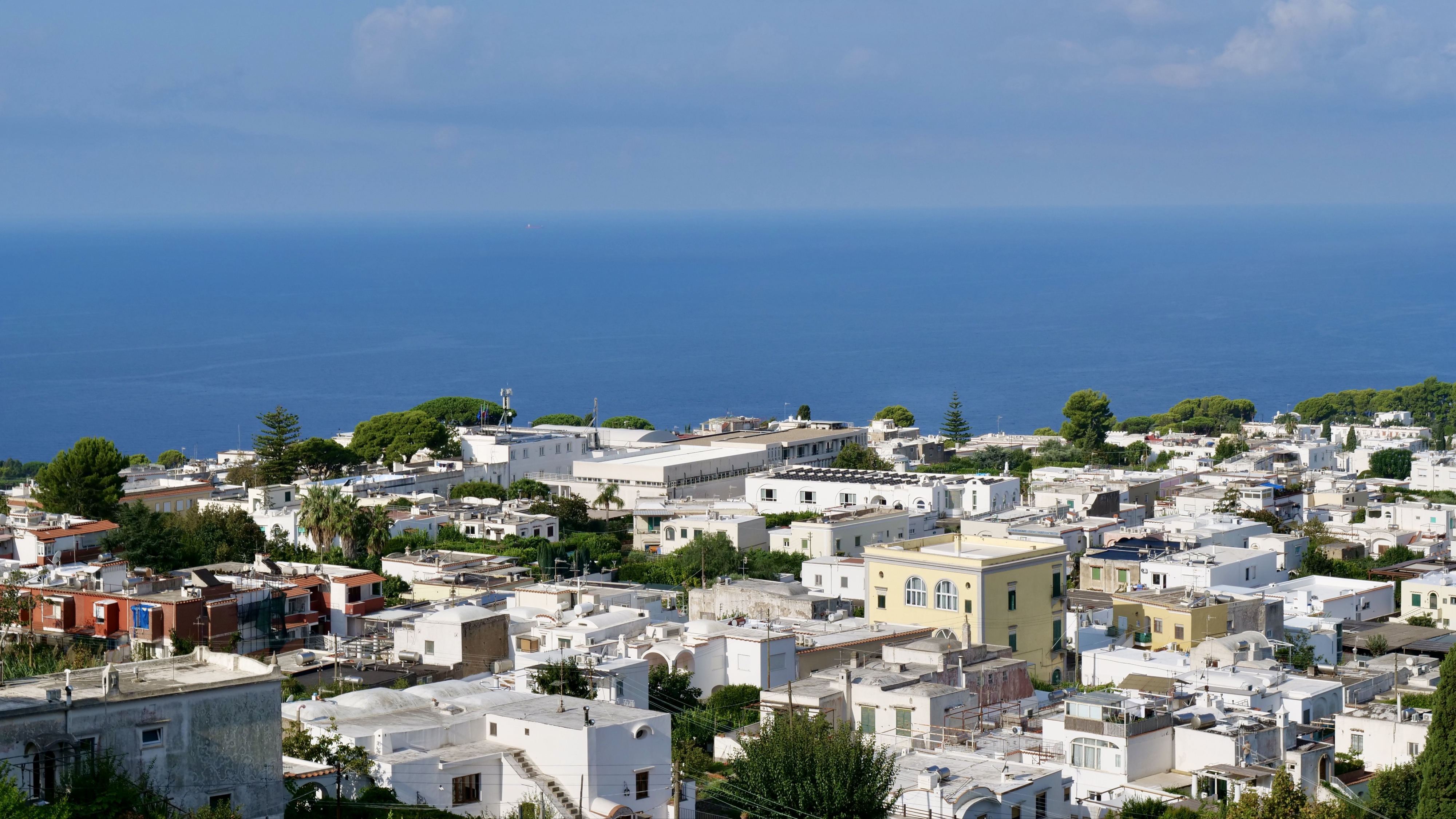
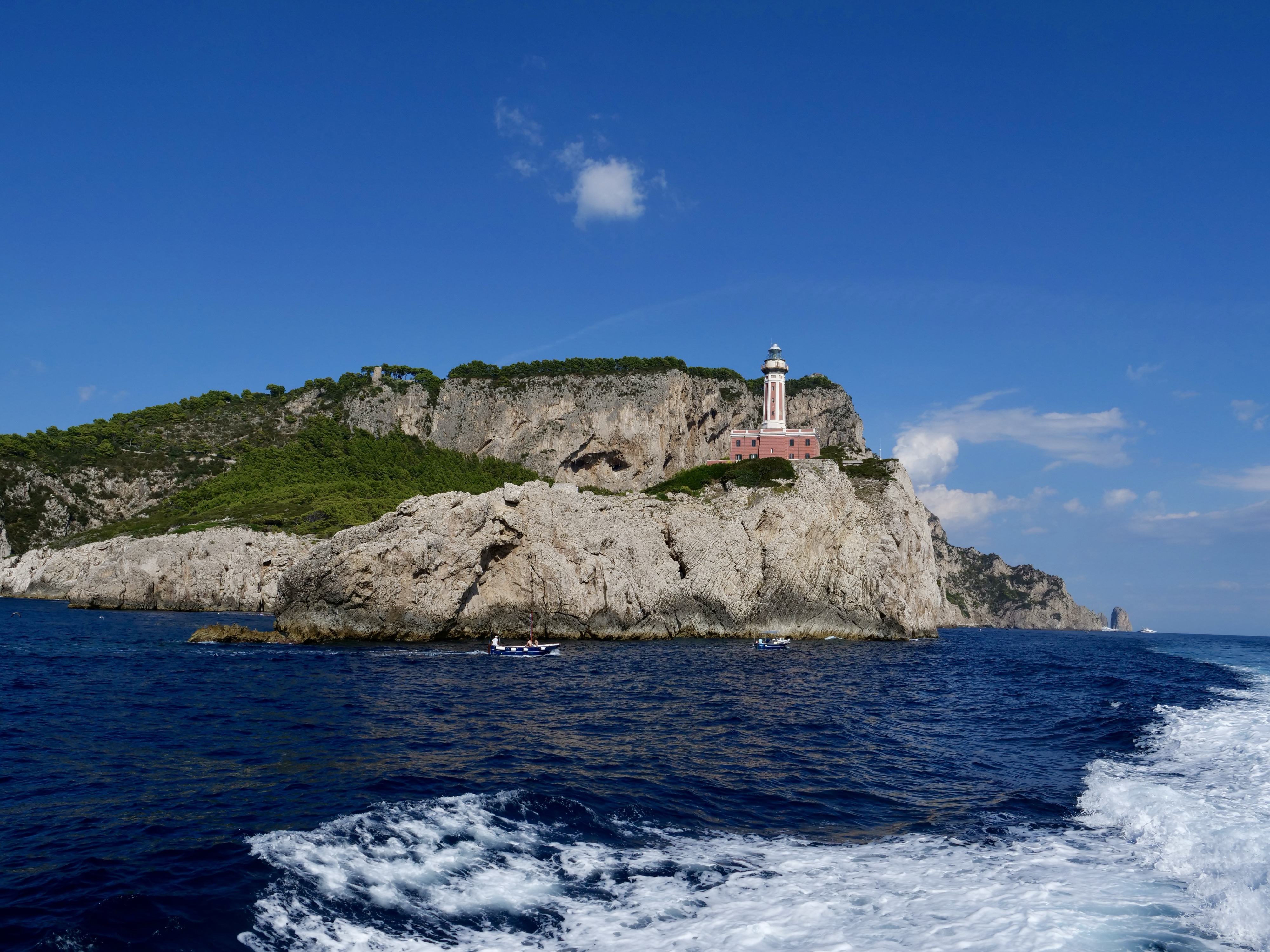
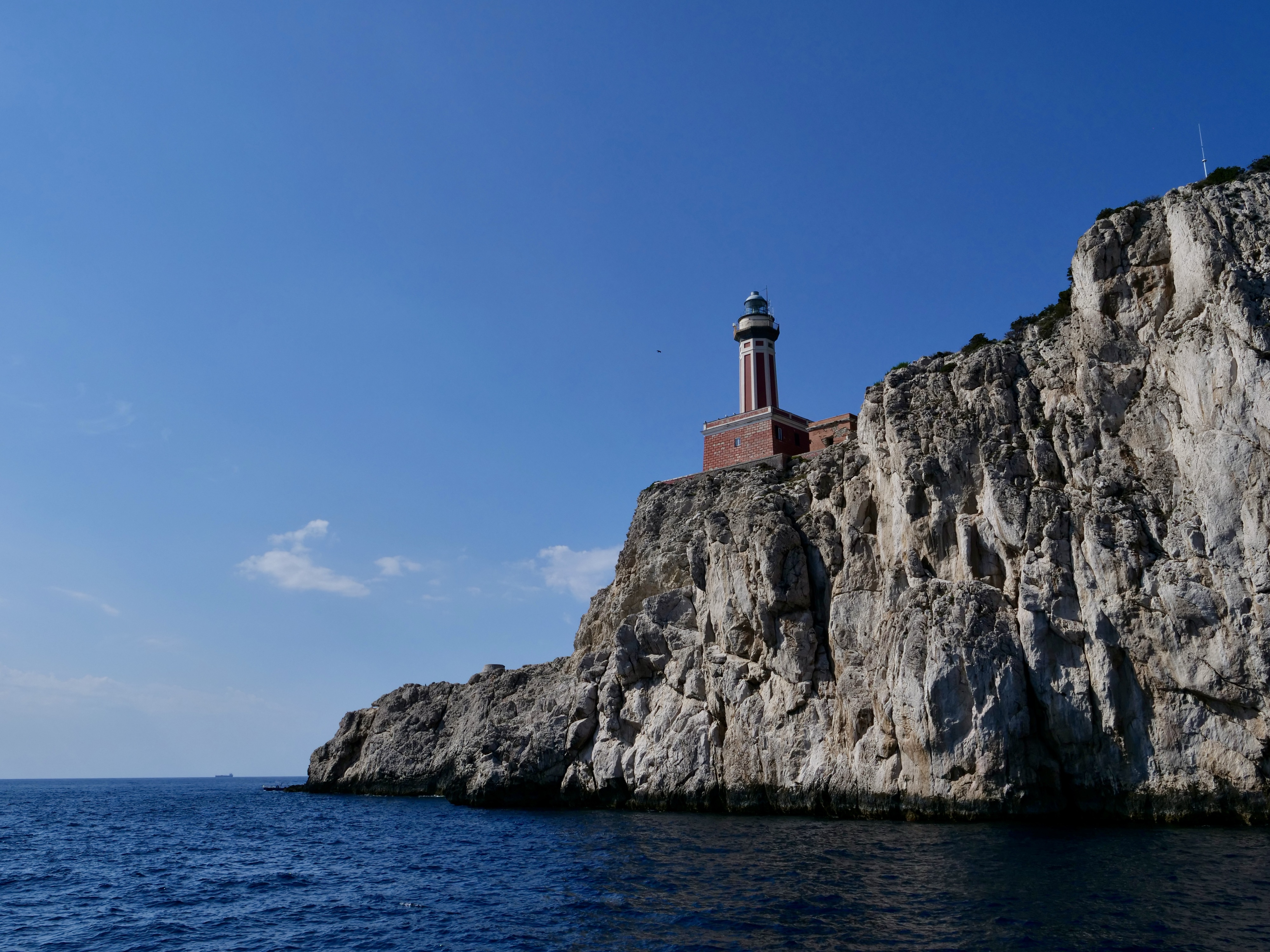
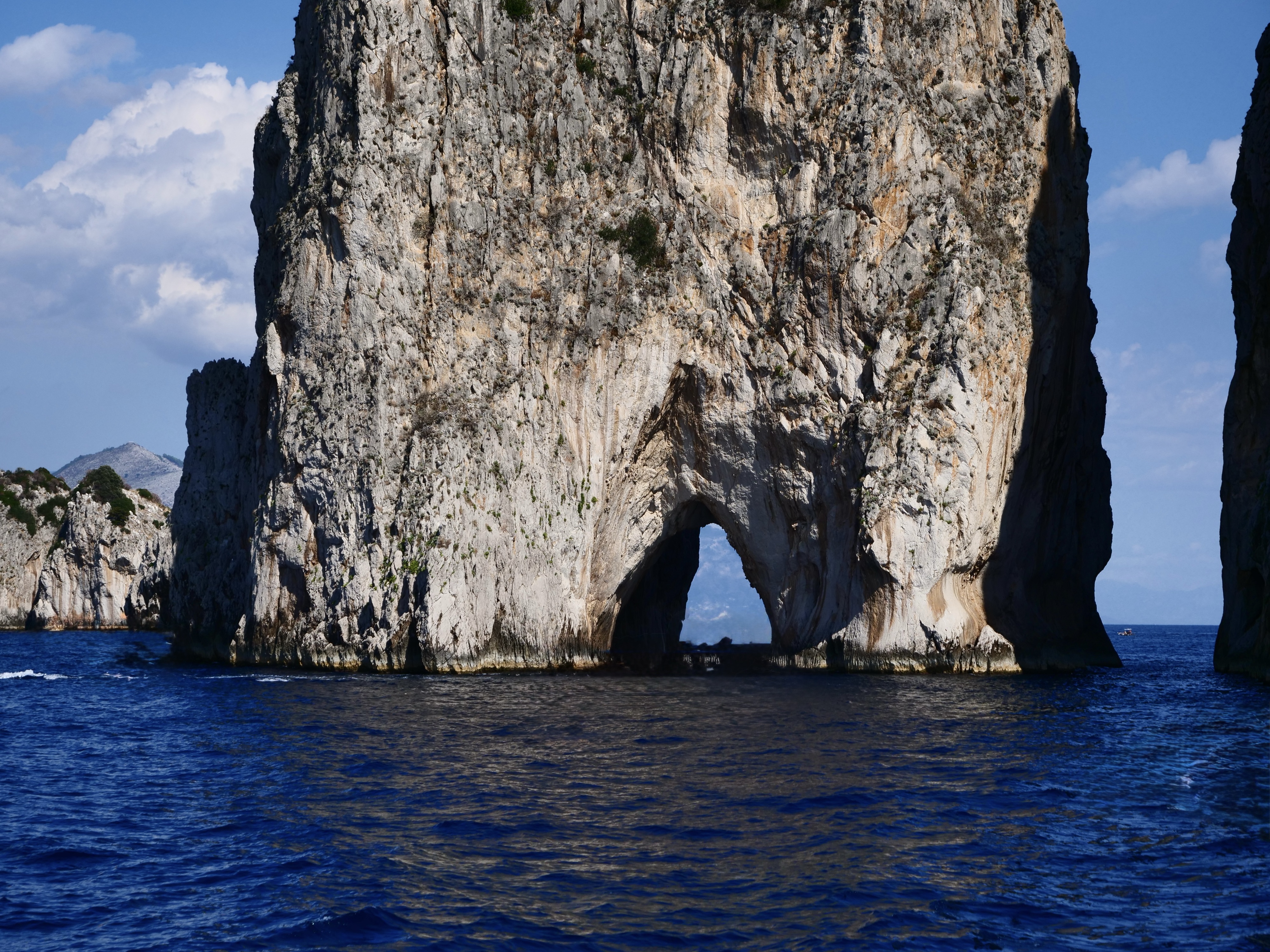
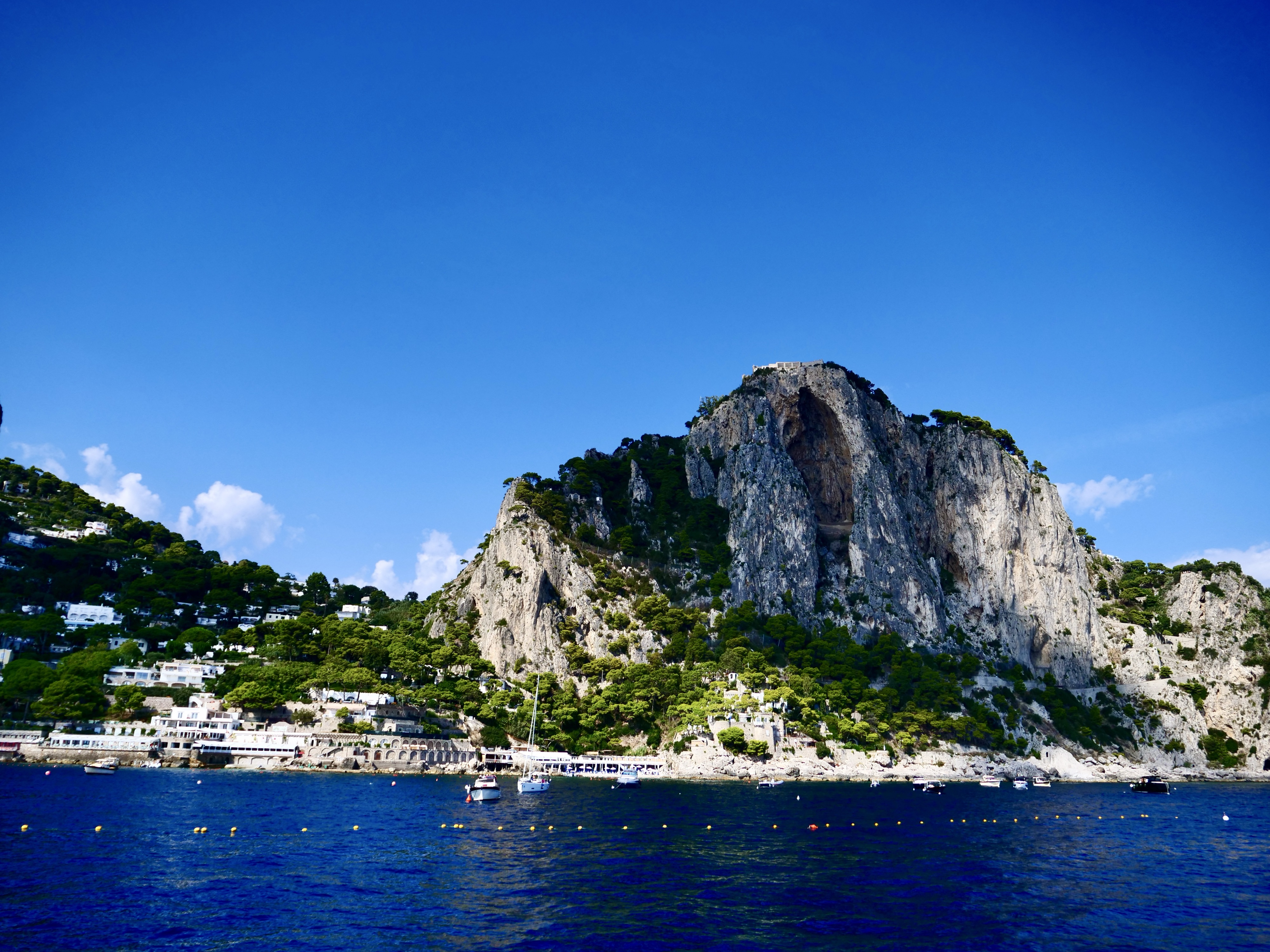
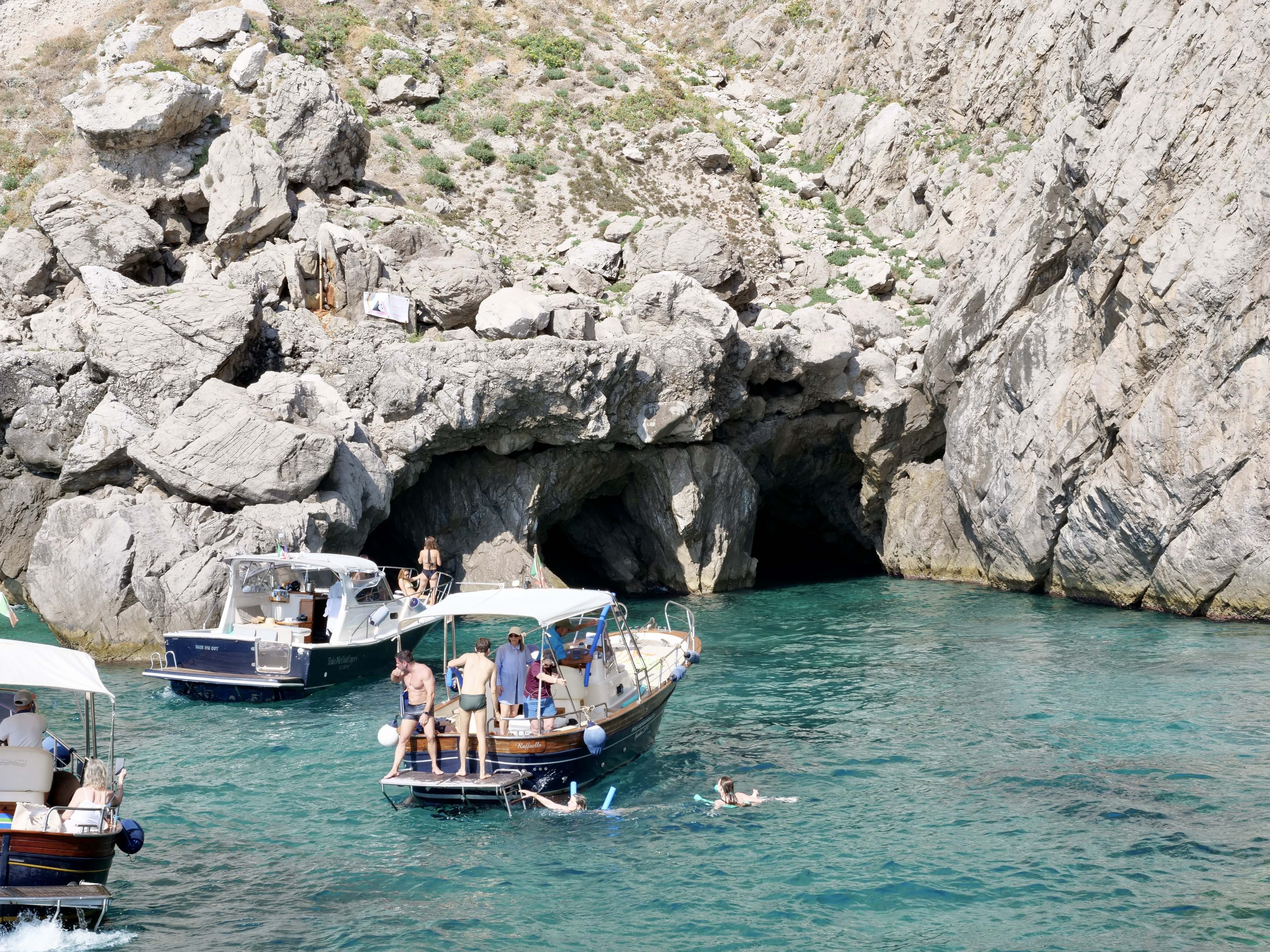
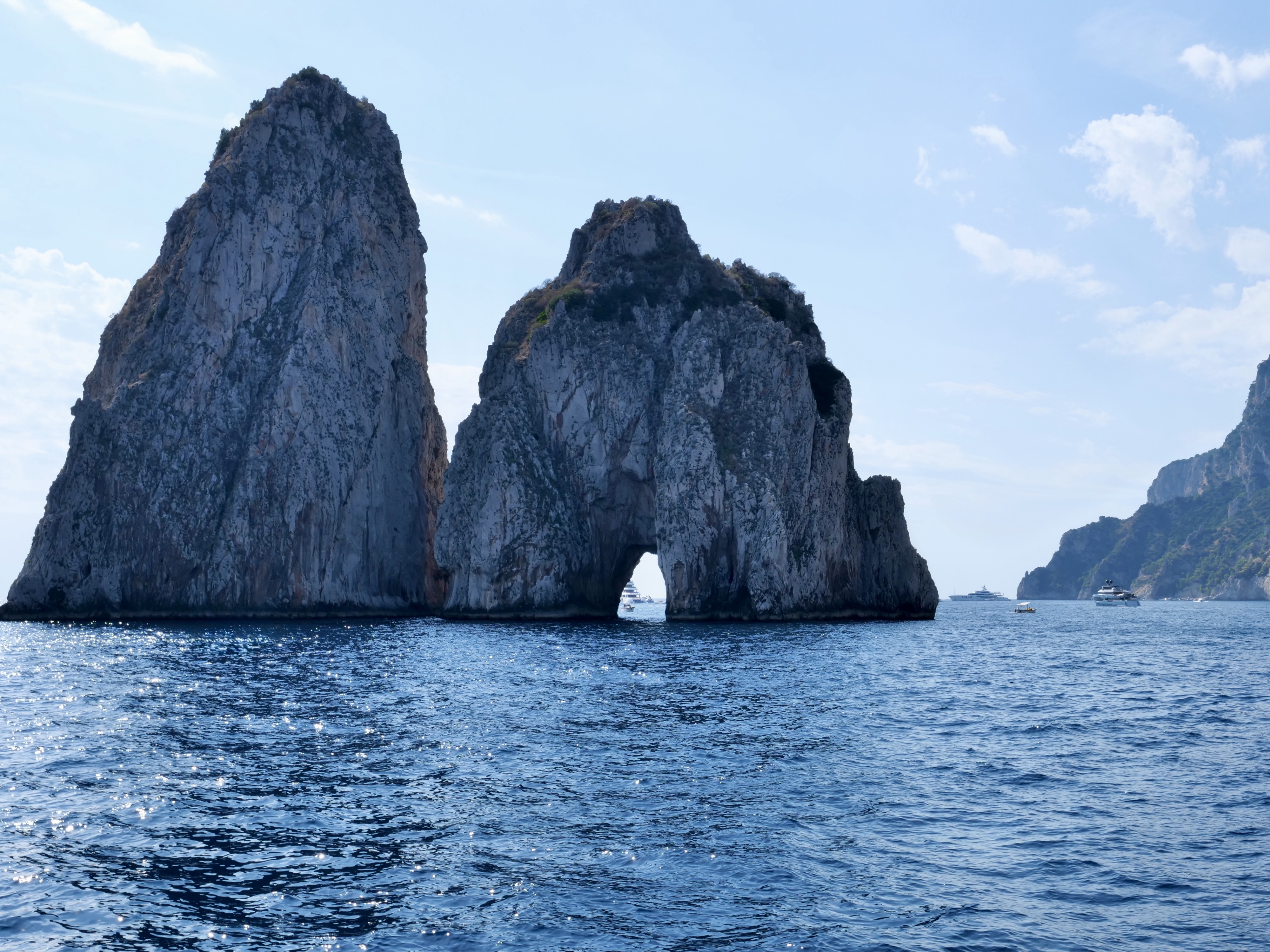
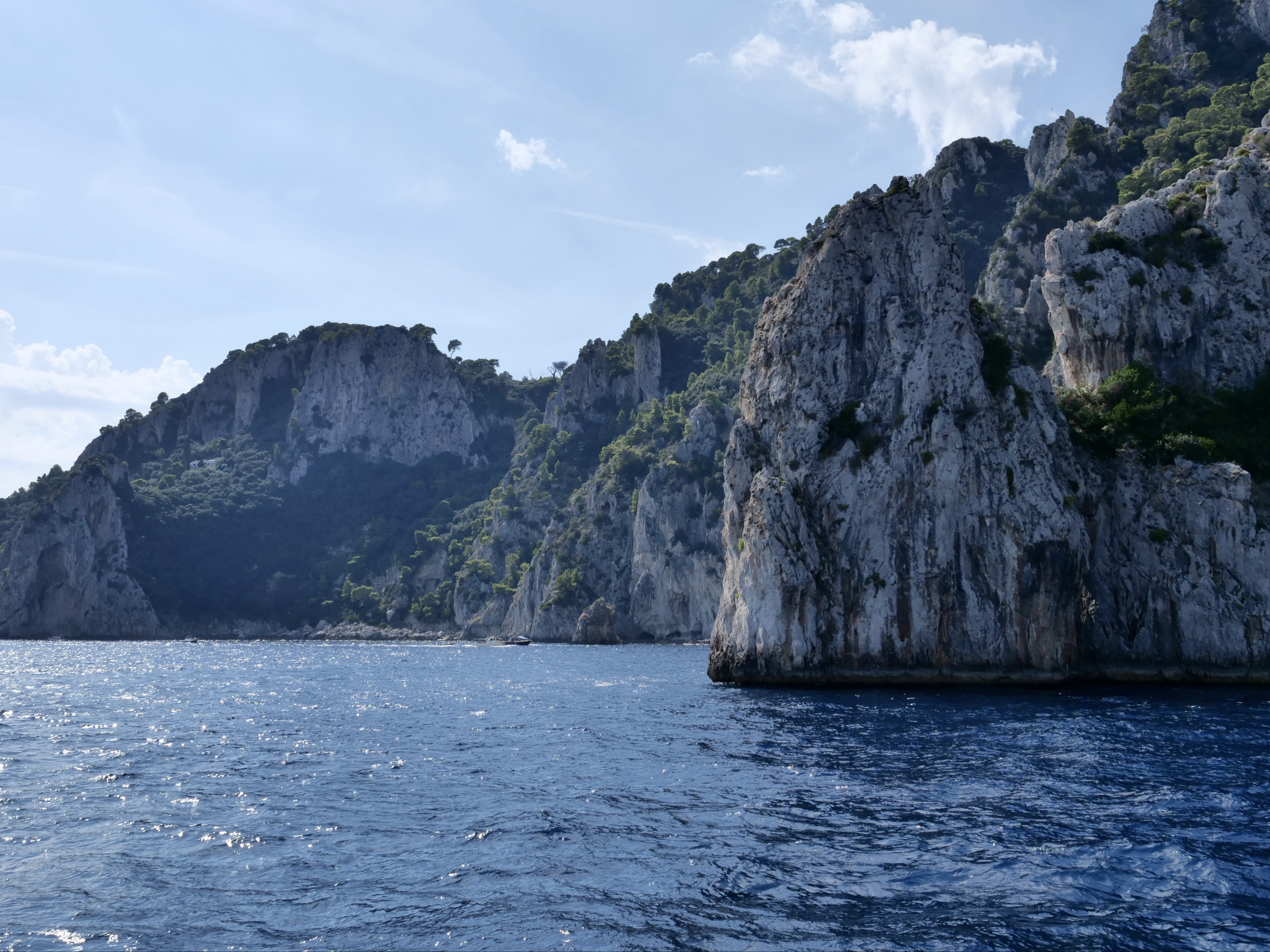
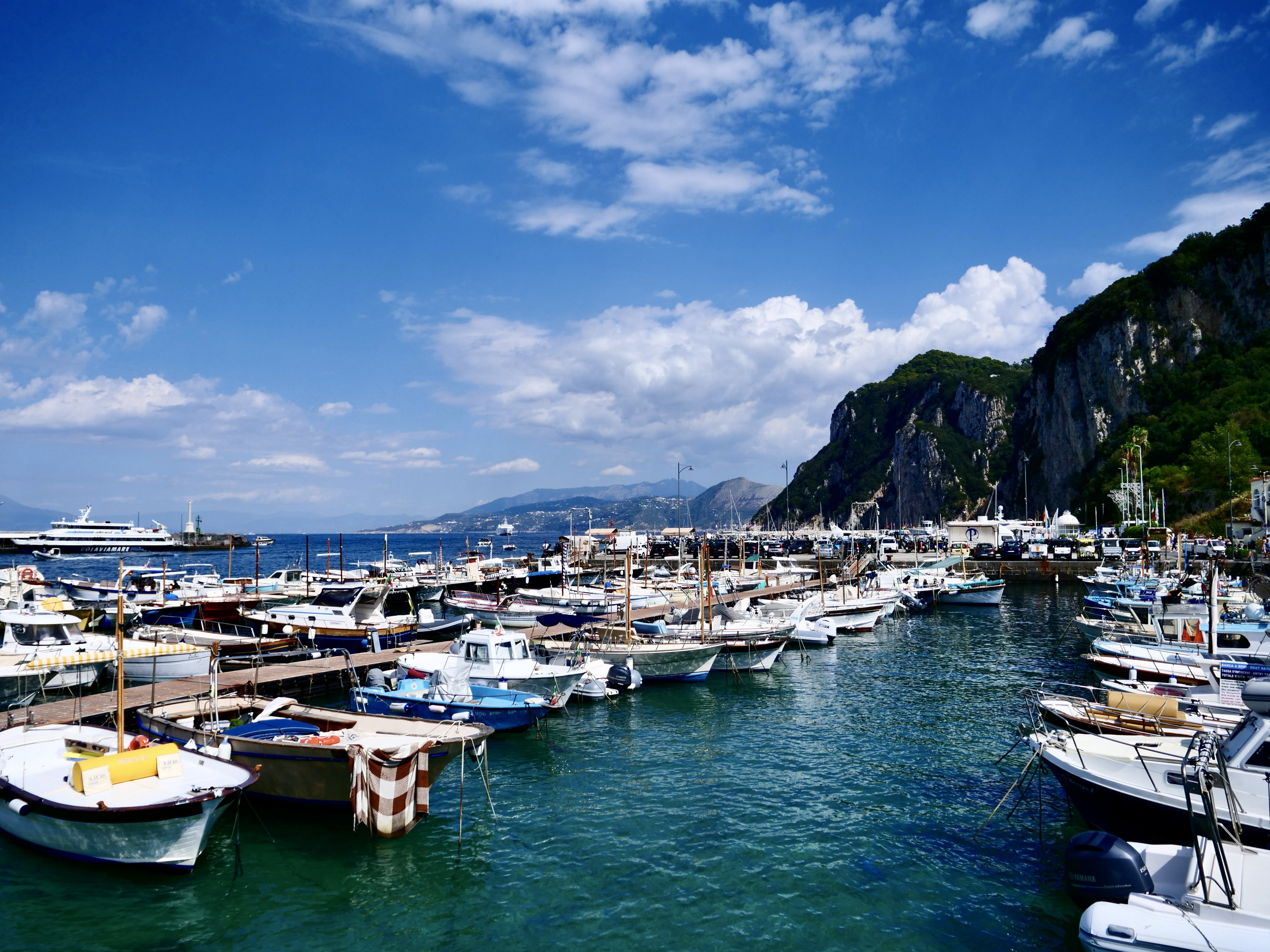
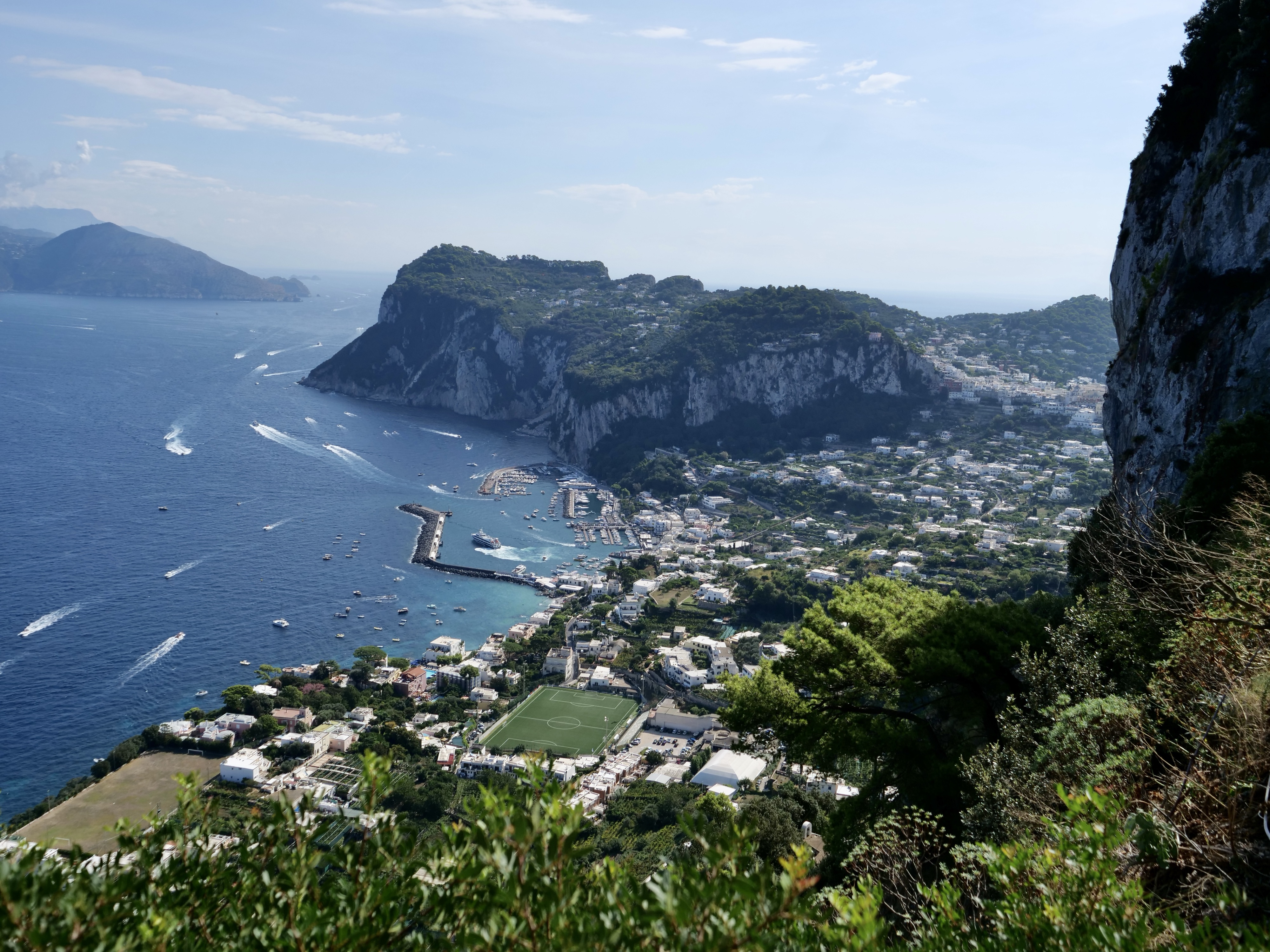
We took full-day boat trip to the Isle of Capri - Anacapri has boutique-lined lanes, the social hub of La Piazzetta, and the Gardens of Augustus with their view down to the Faraglioni sea stacks.
Travel to Sorrento
September 20, 2026
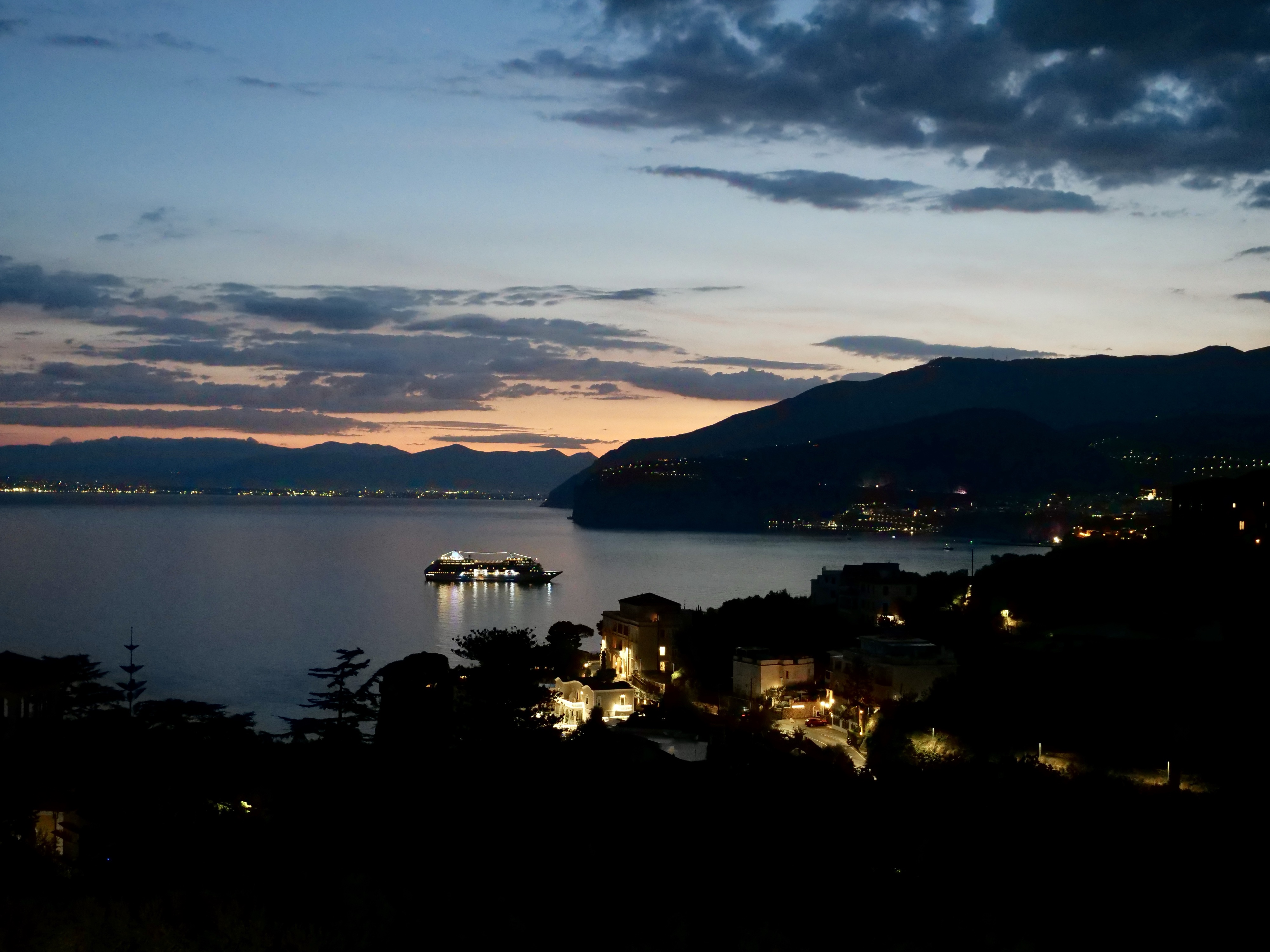
We left Montecatini and Tuscany behind and dove south basically all day
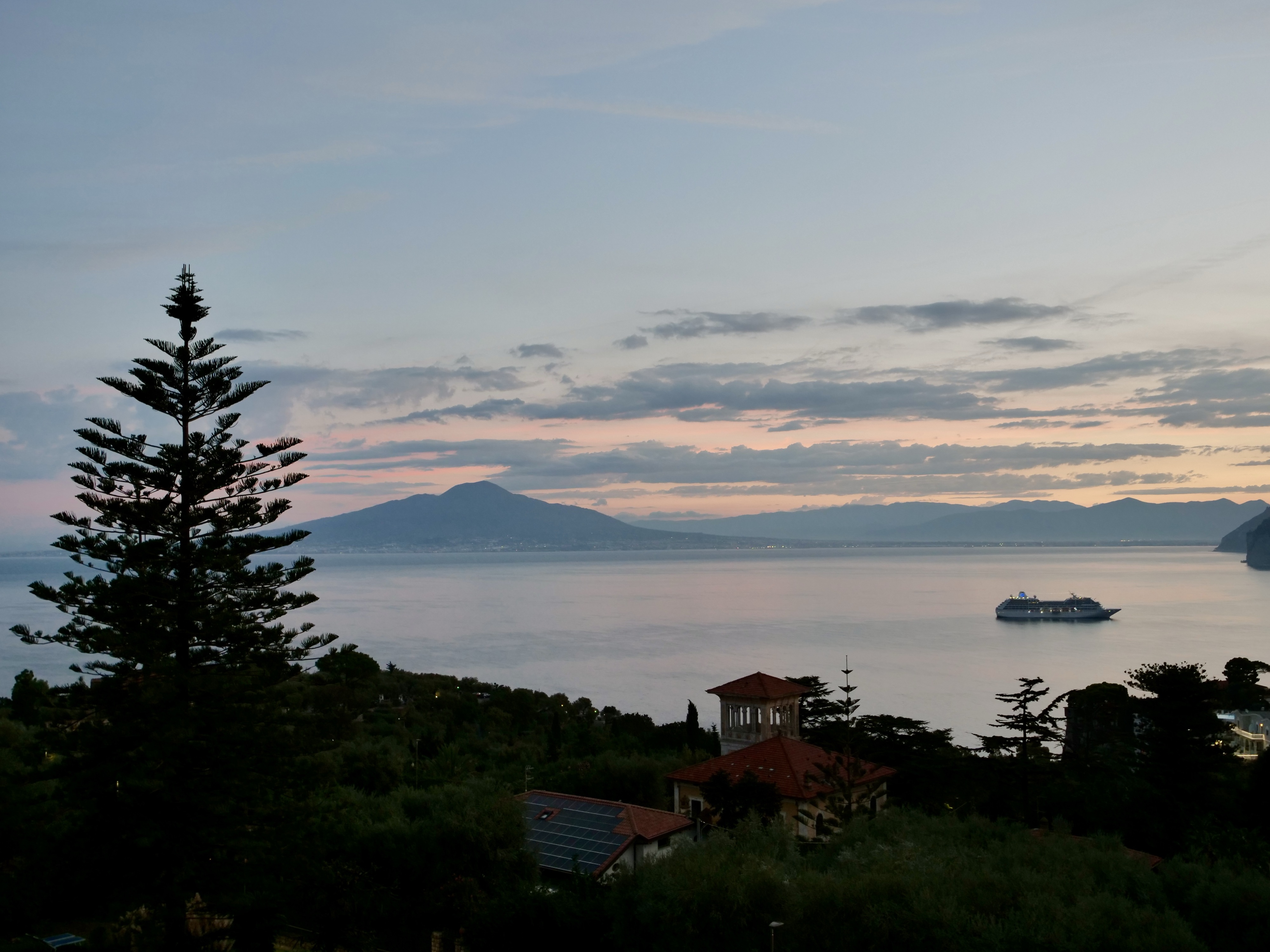
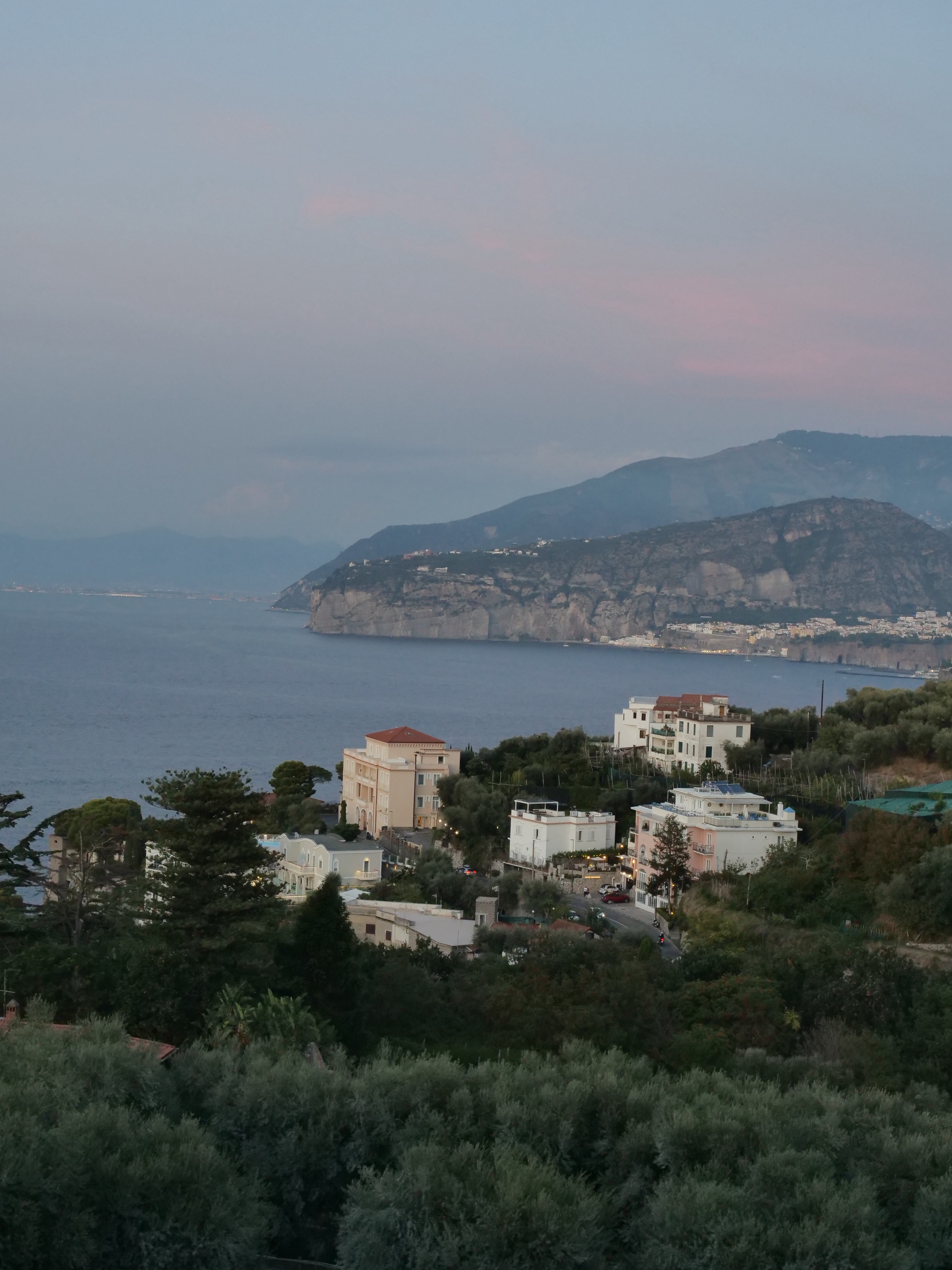
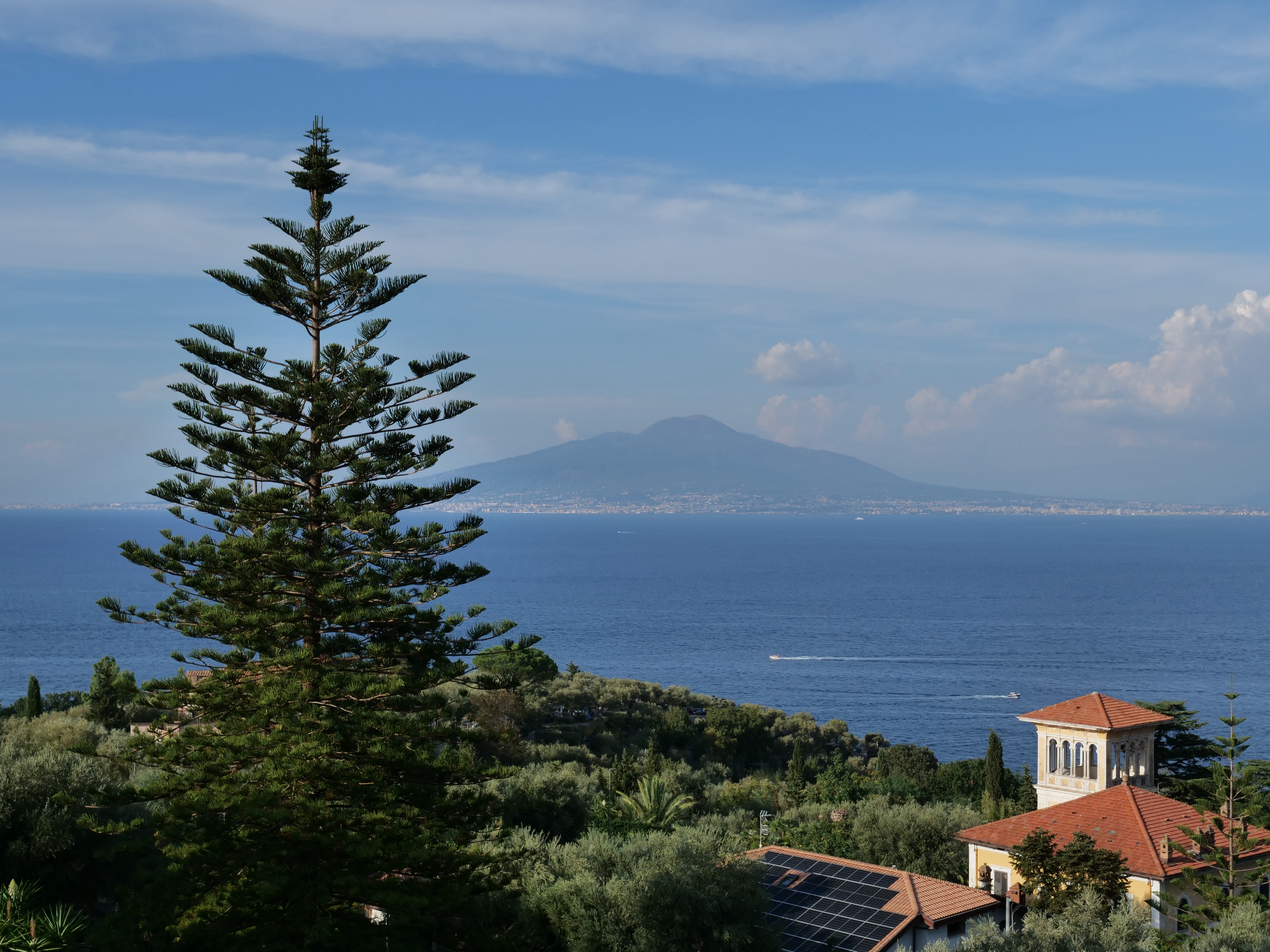
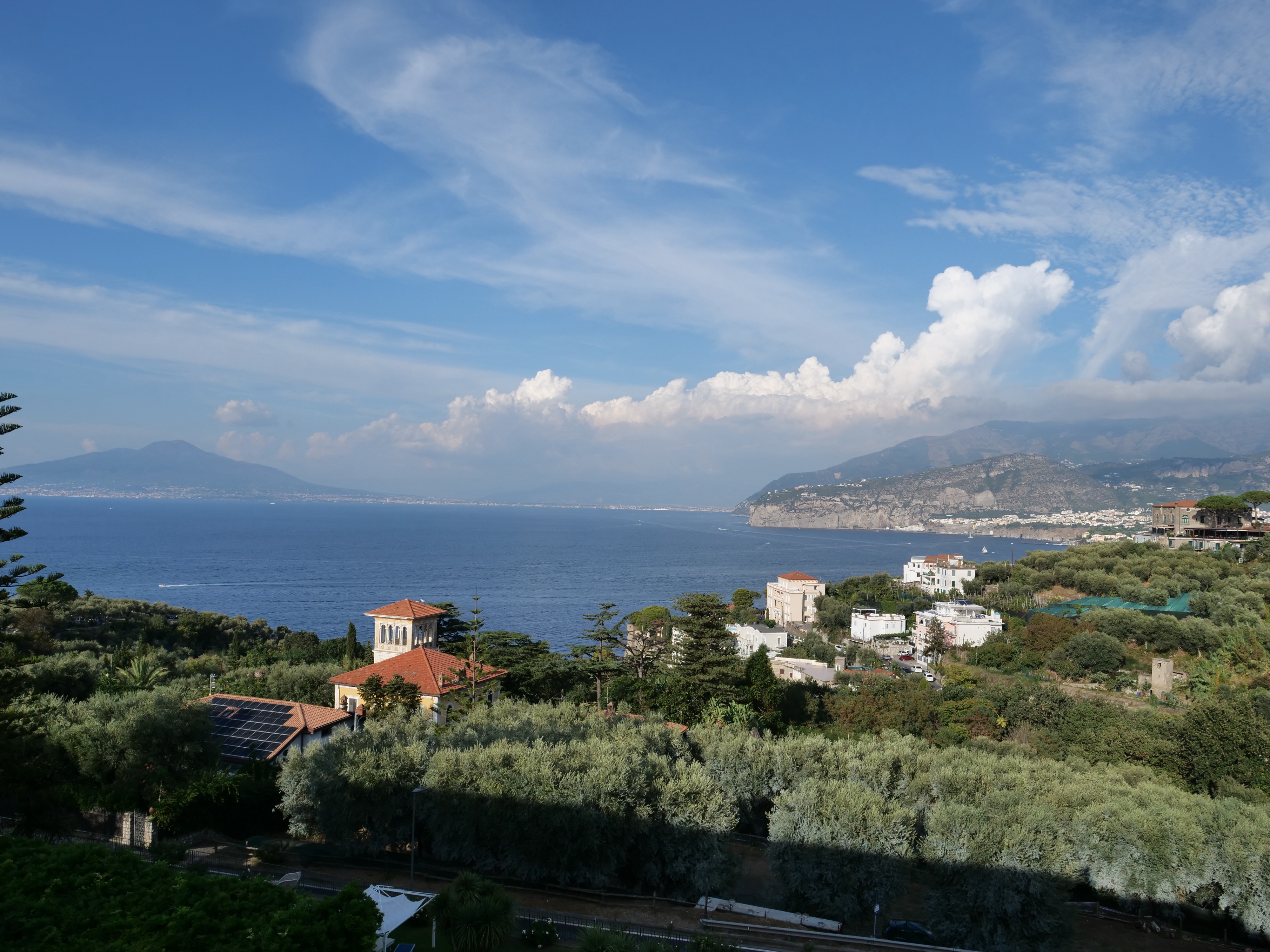
The view from the Grand Hotel Vesuvio in Sorrento for the next three nights.
Excursion to Florence
September 19, 2026
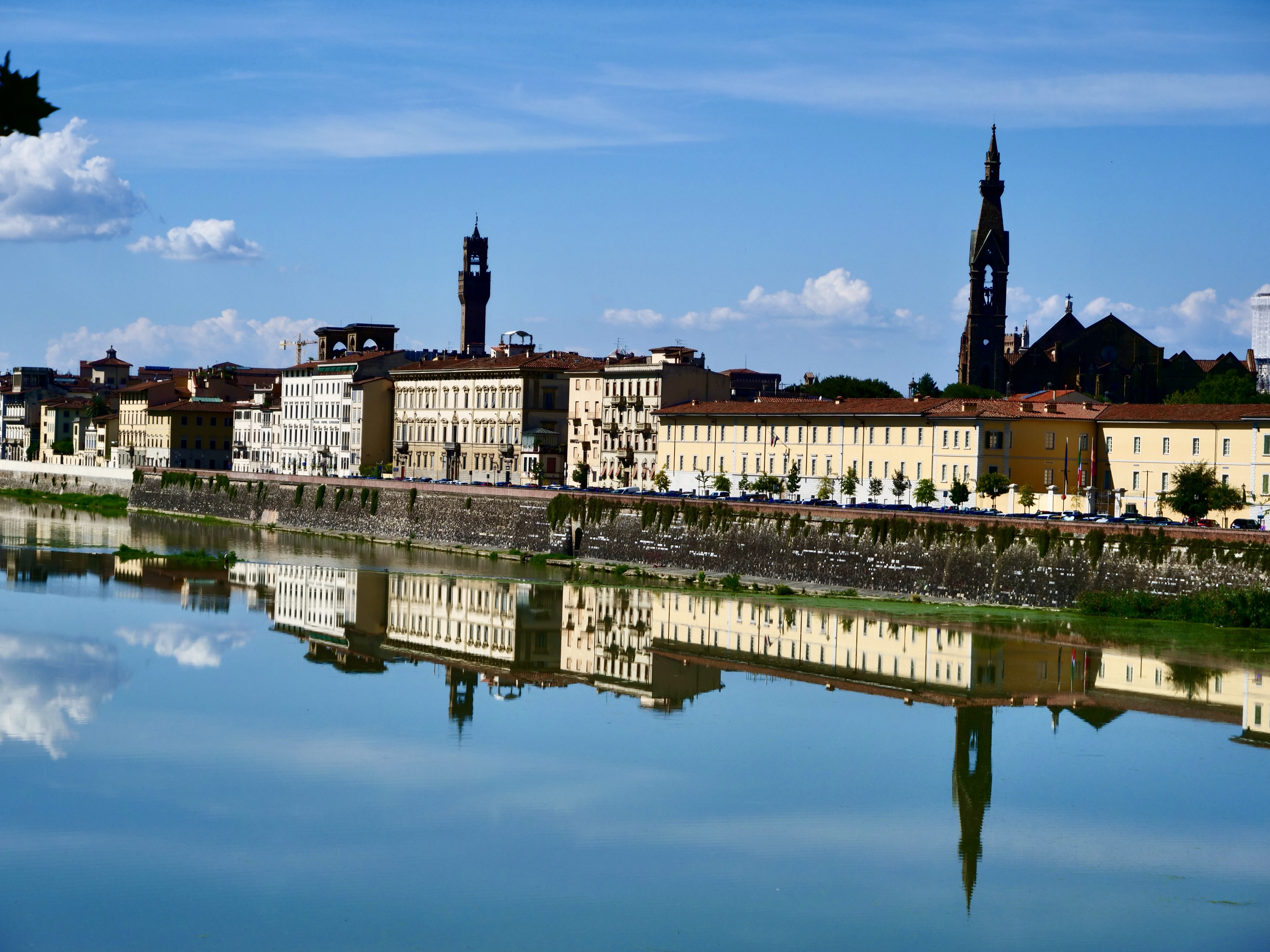
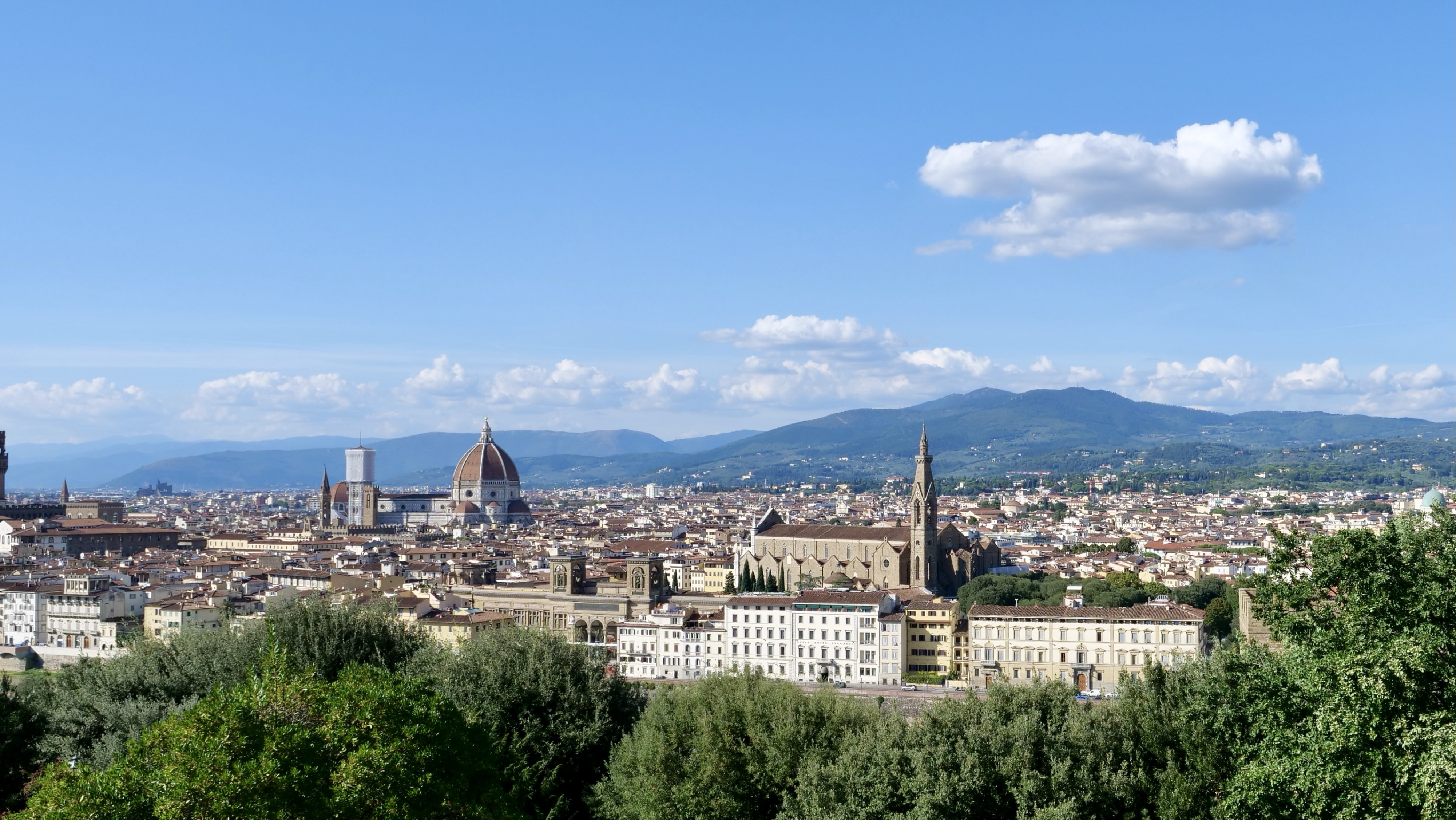
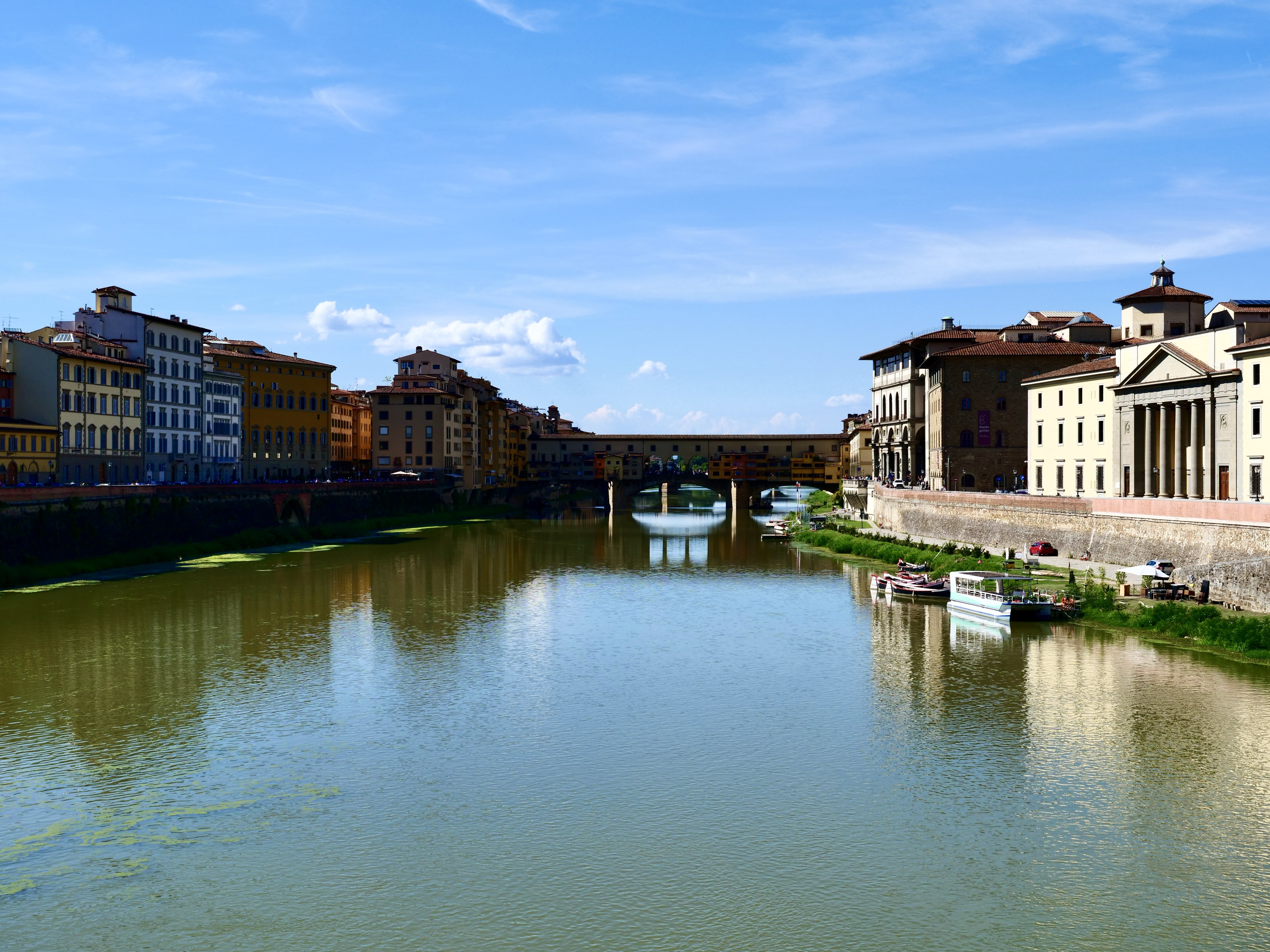
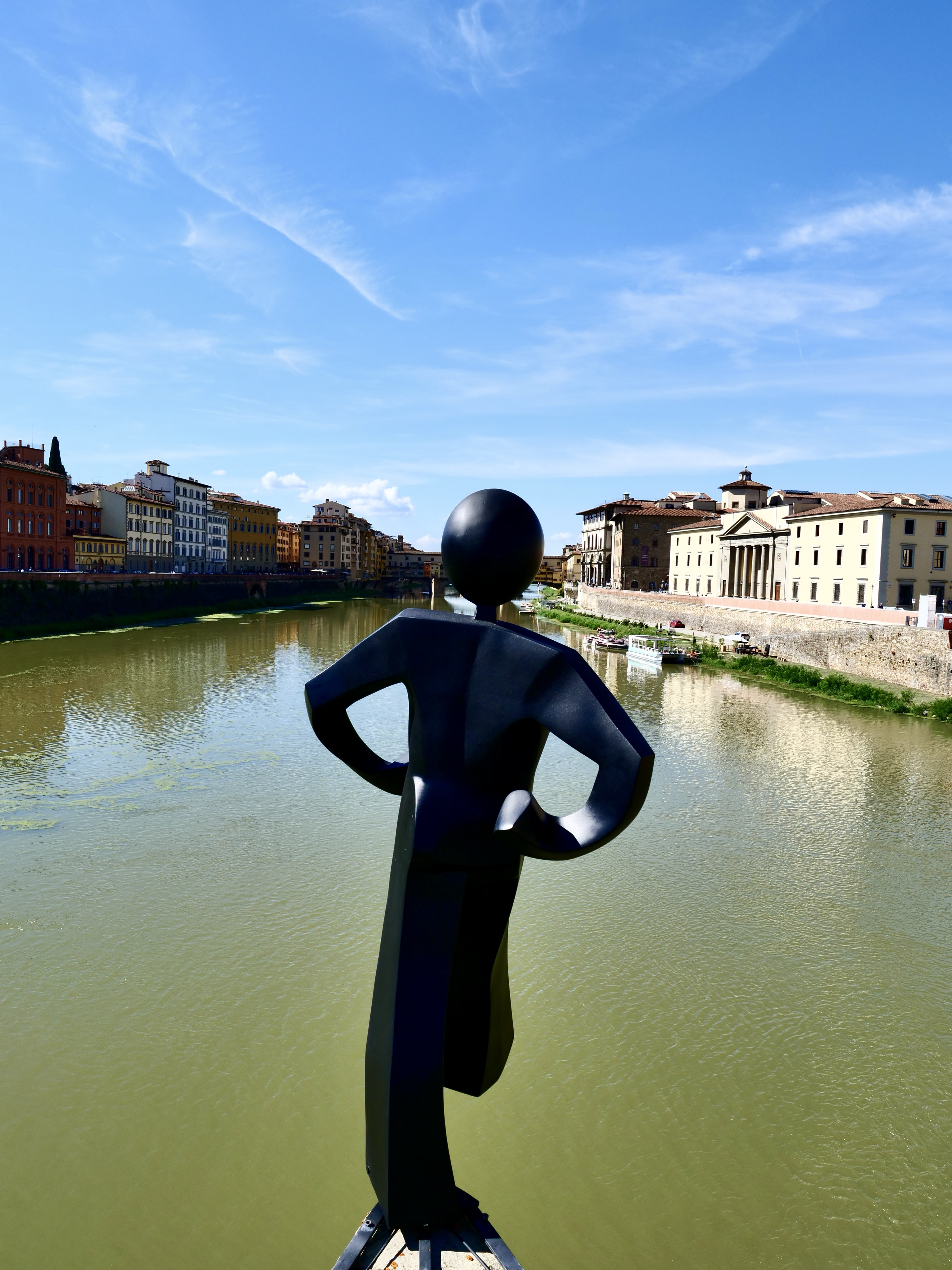
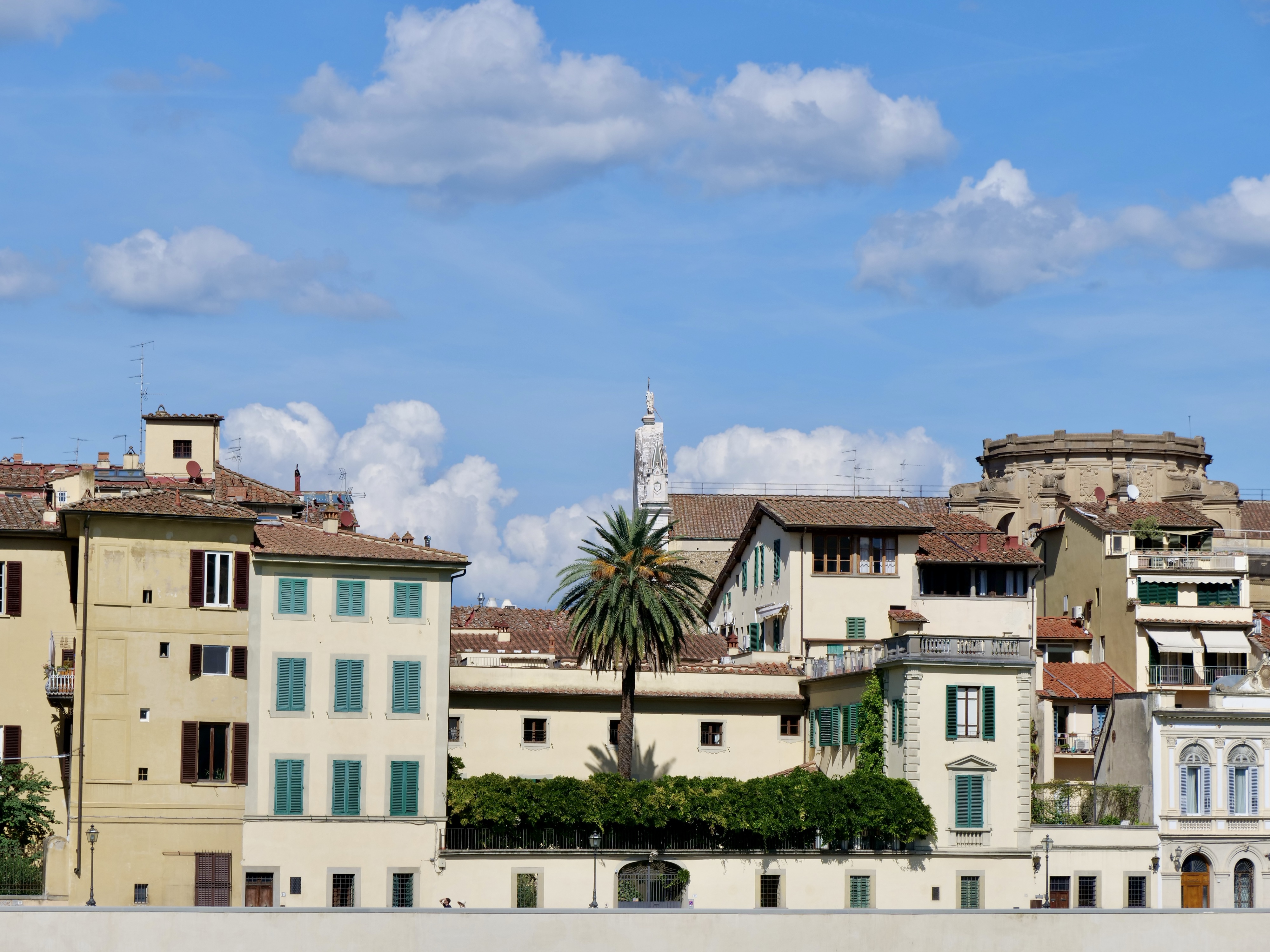
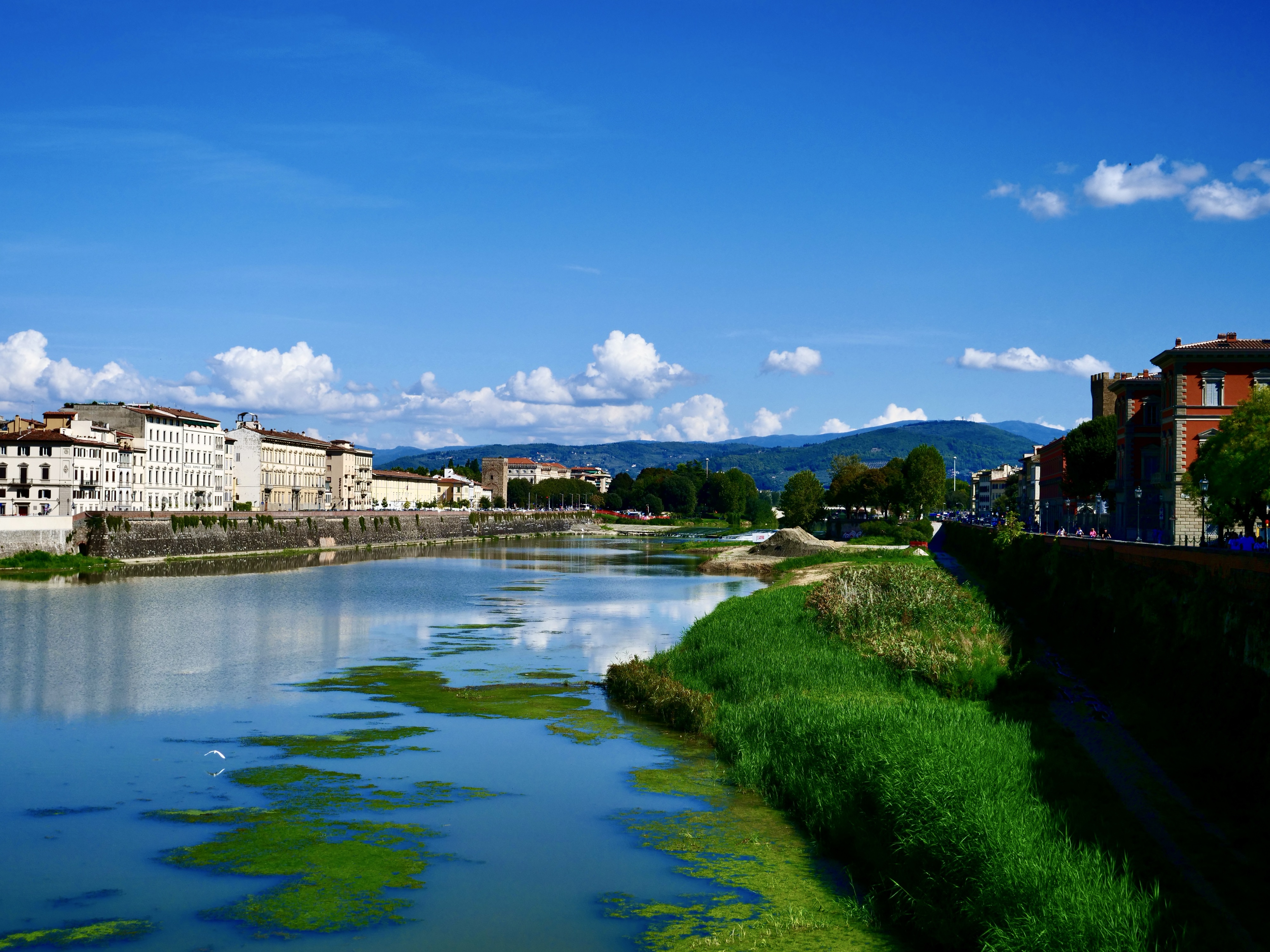
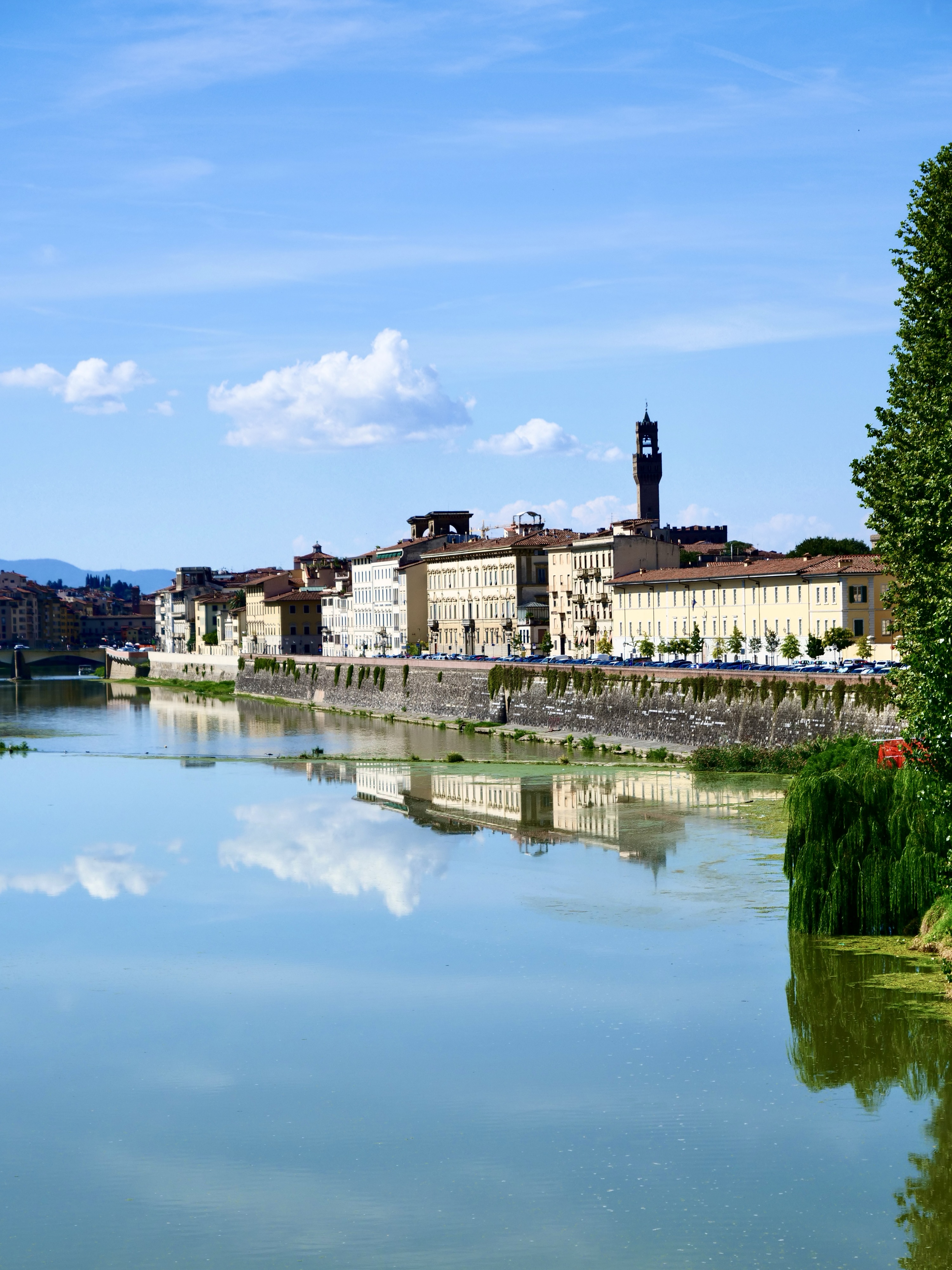
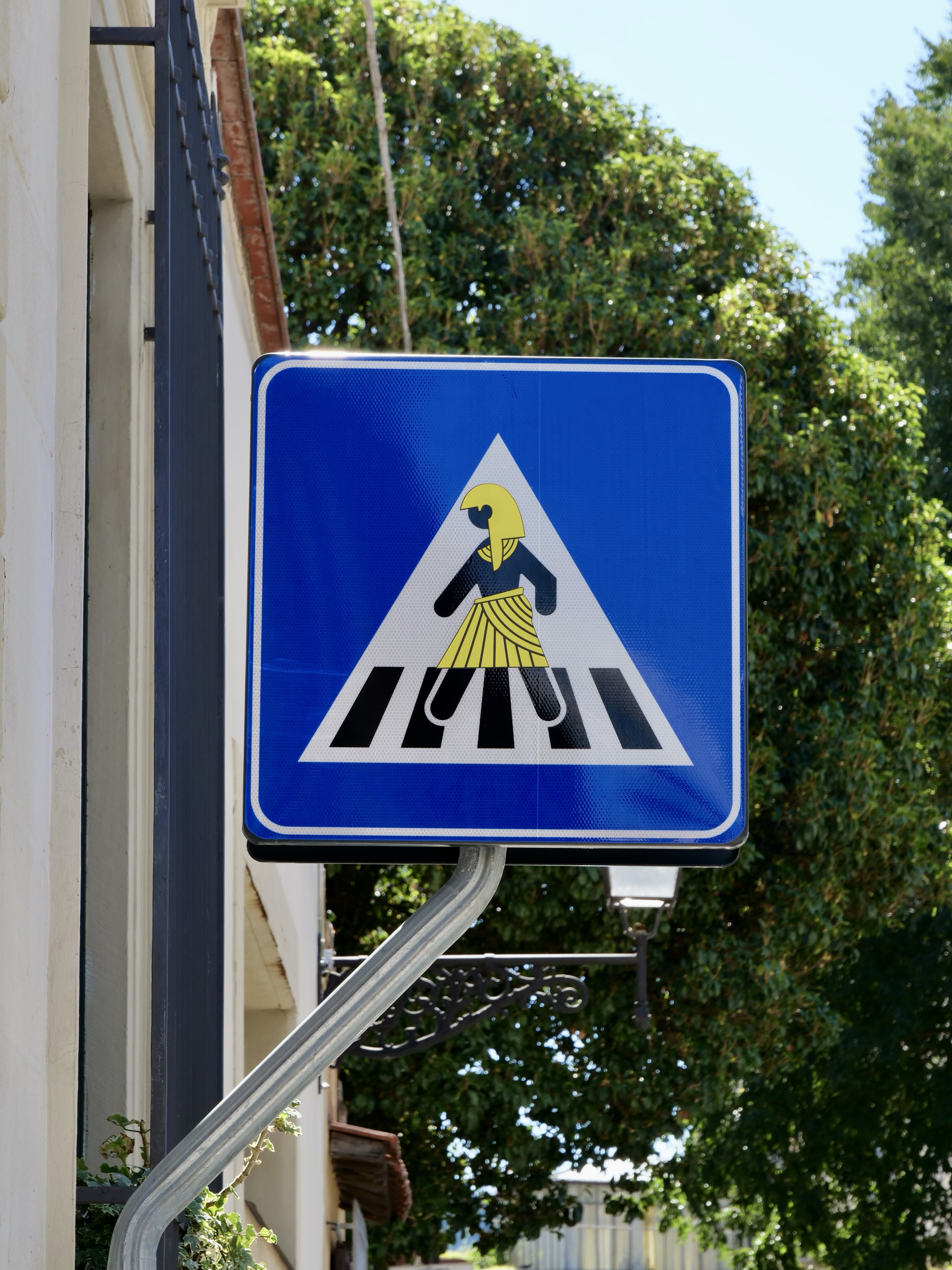
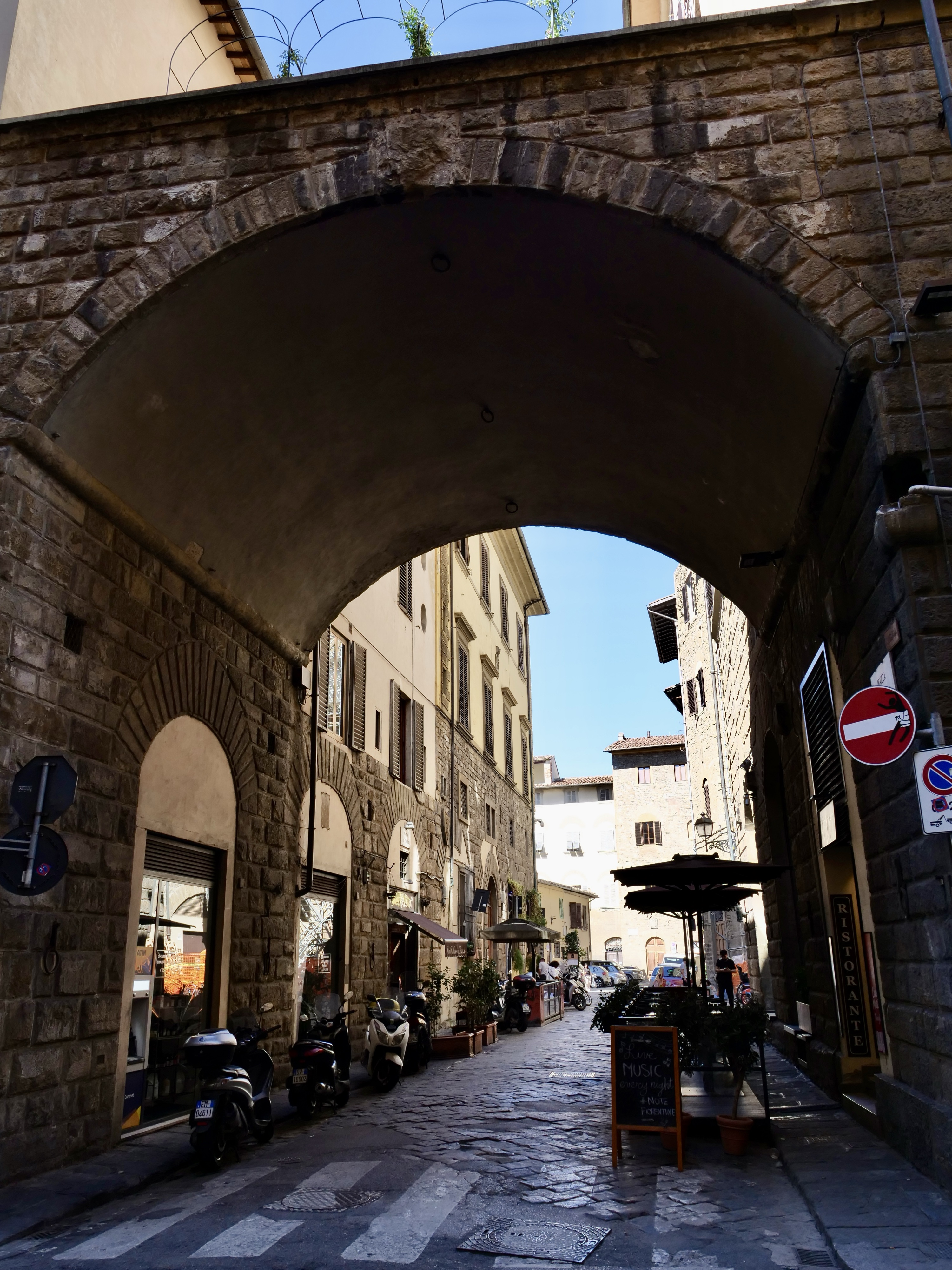
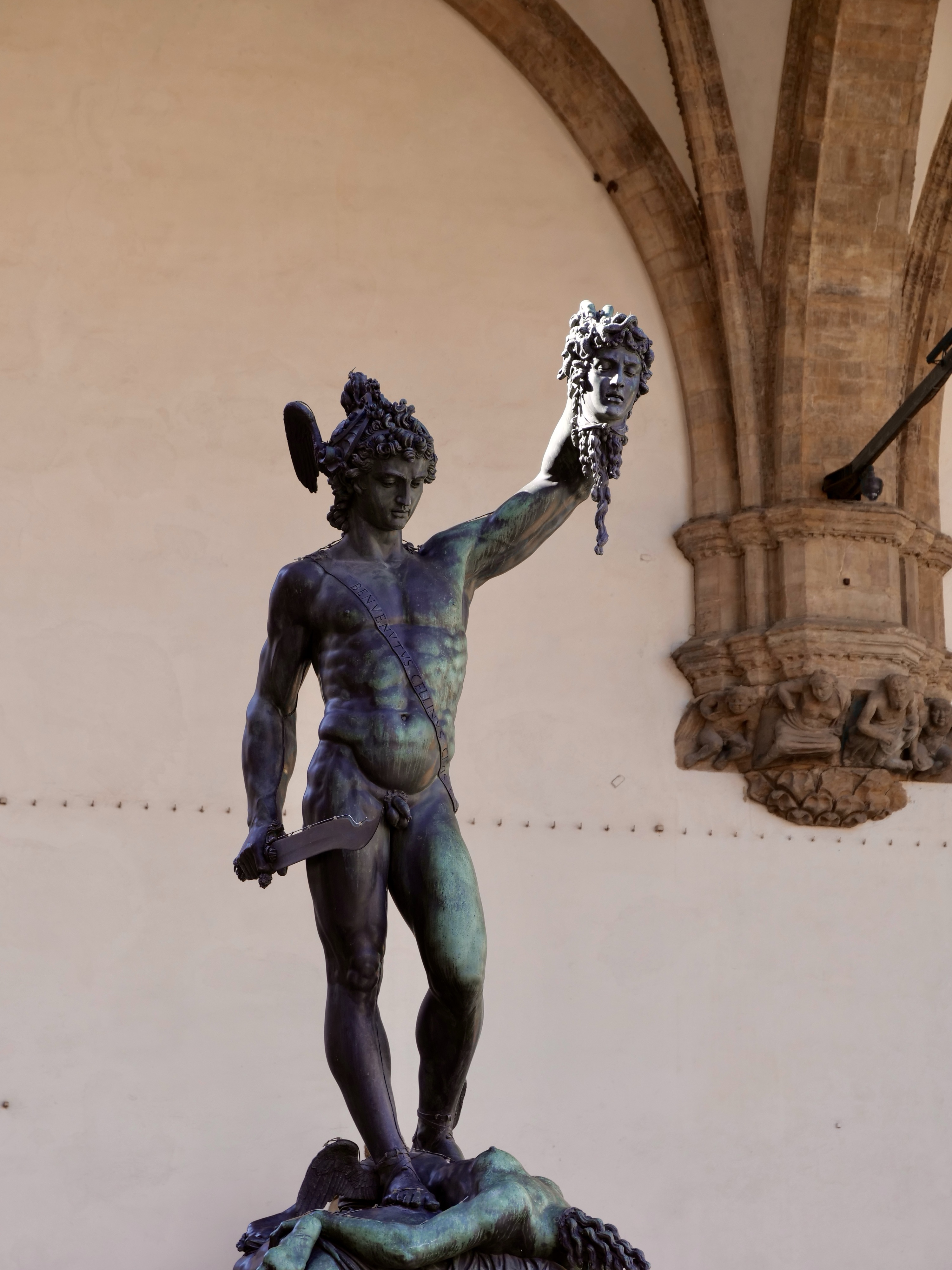
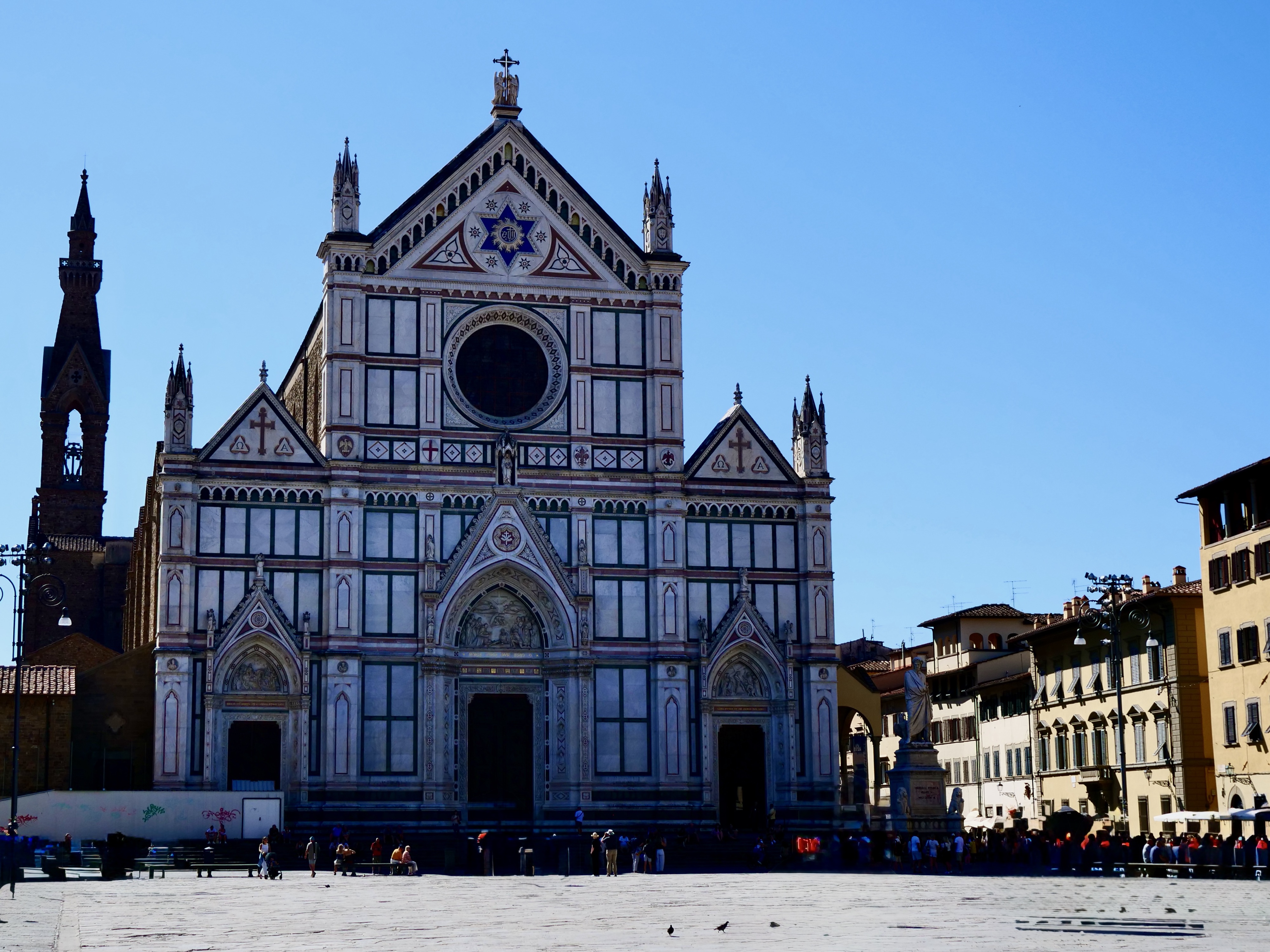
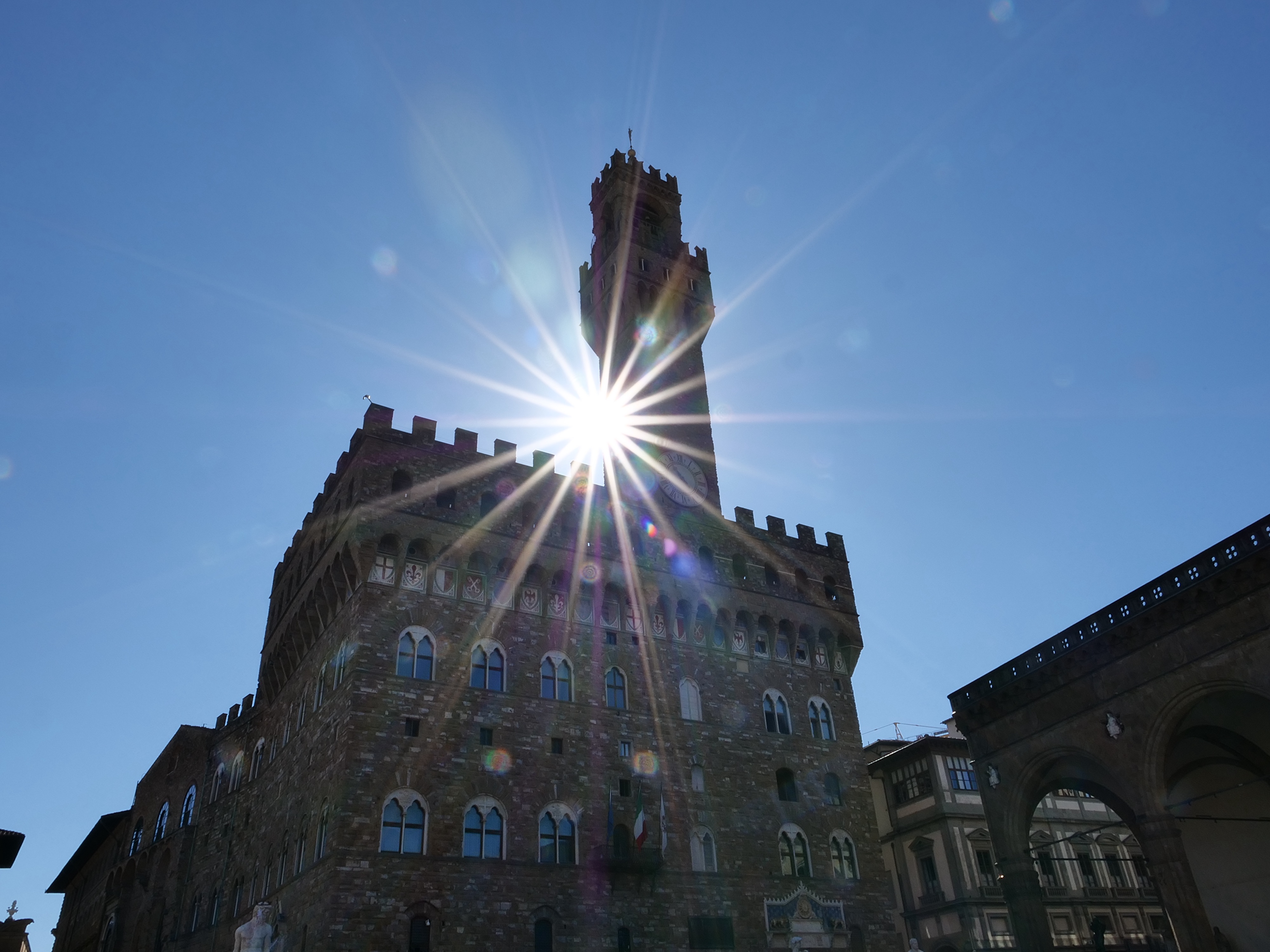
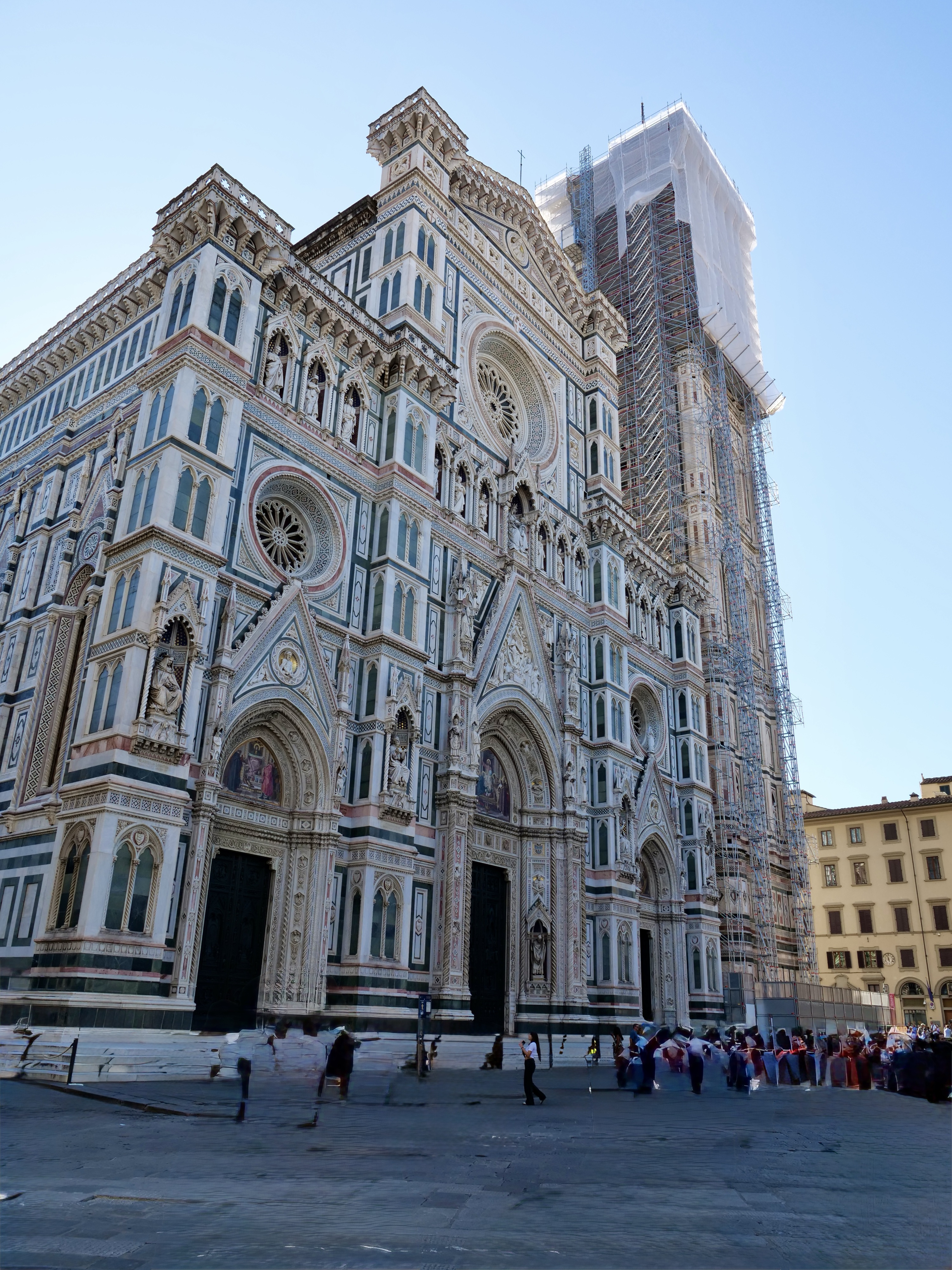
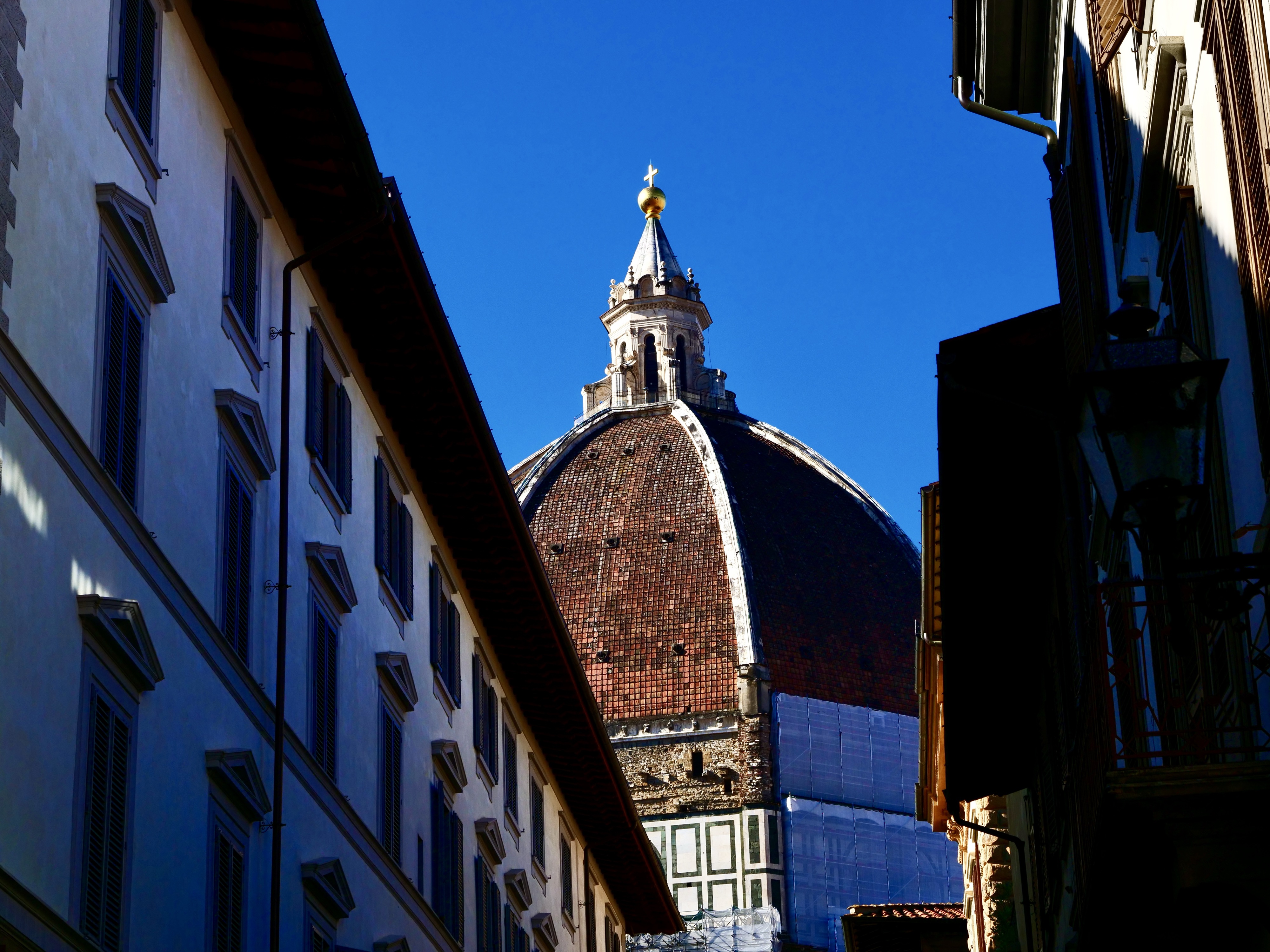
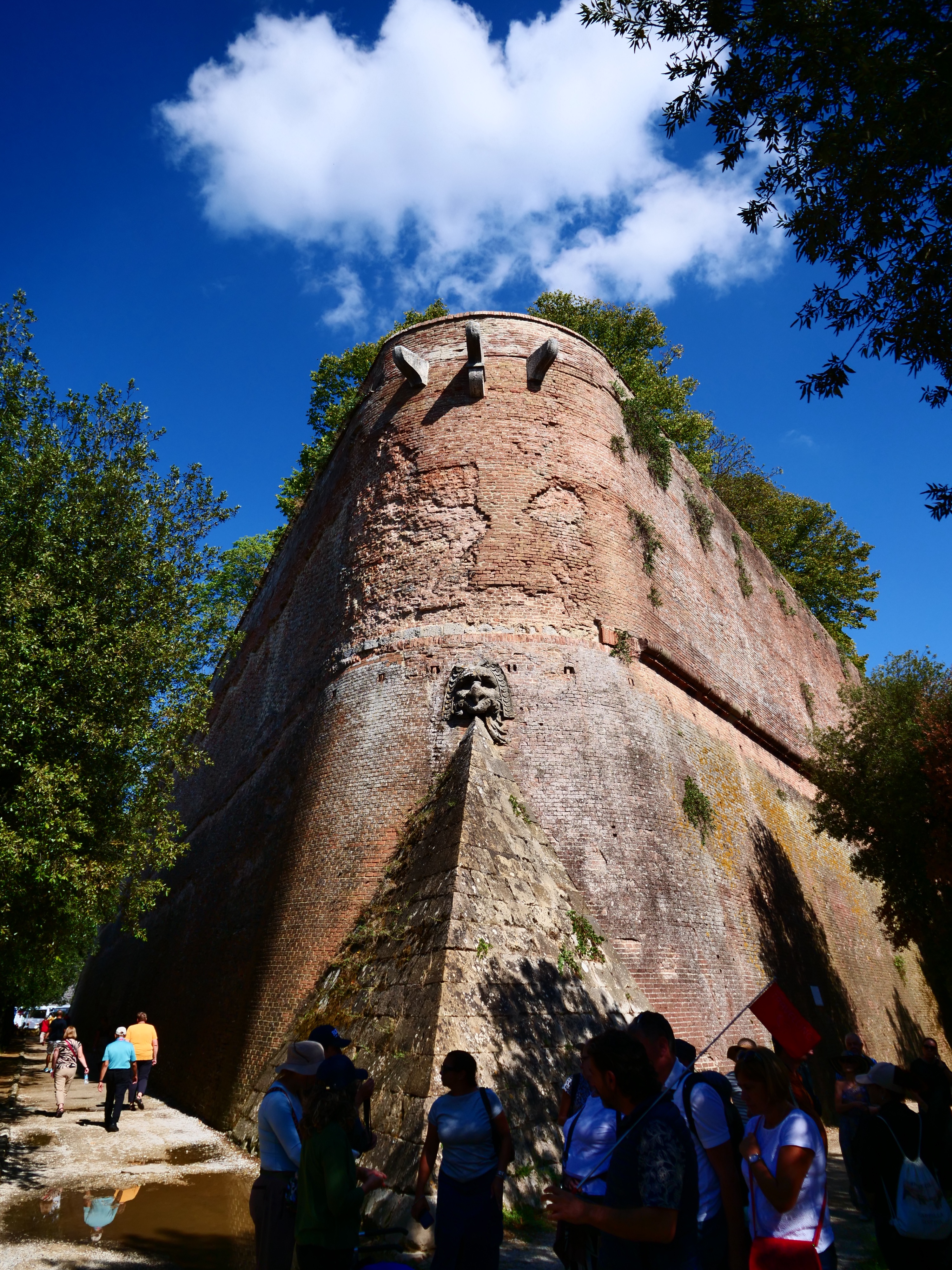
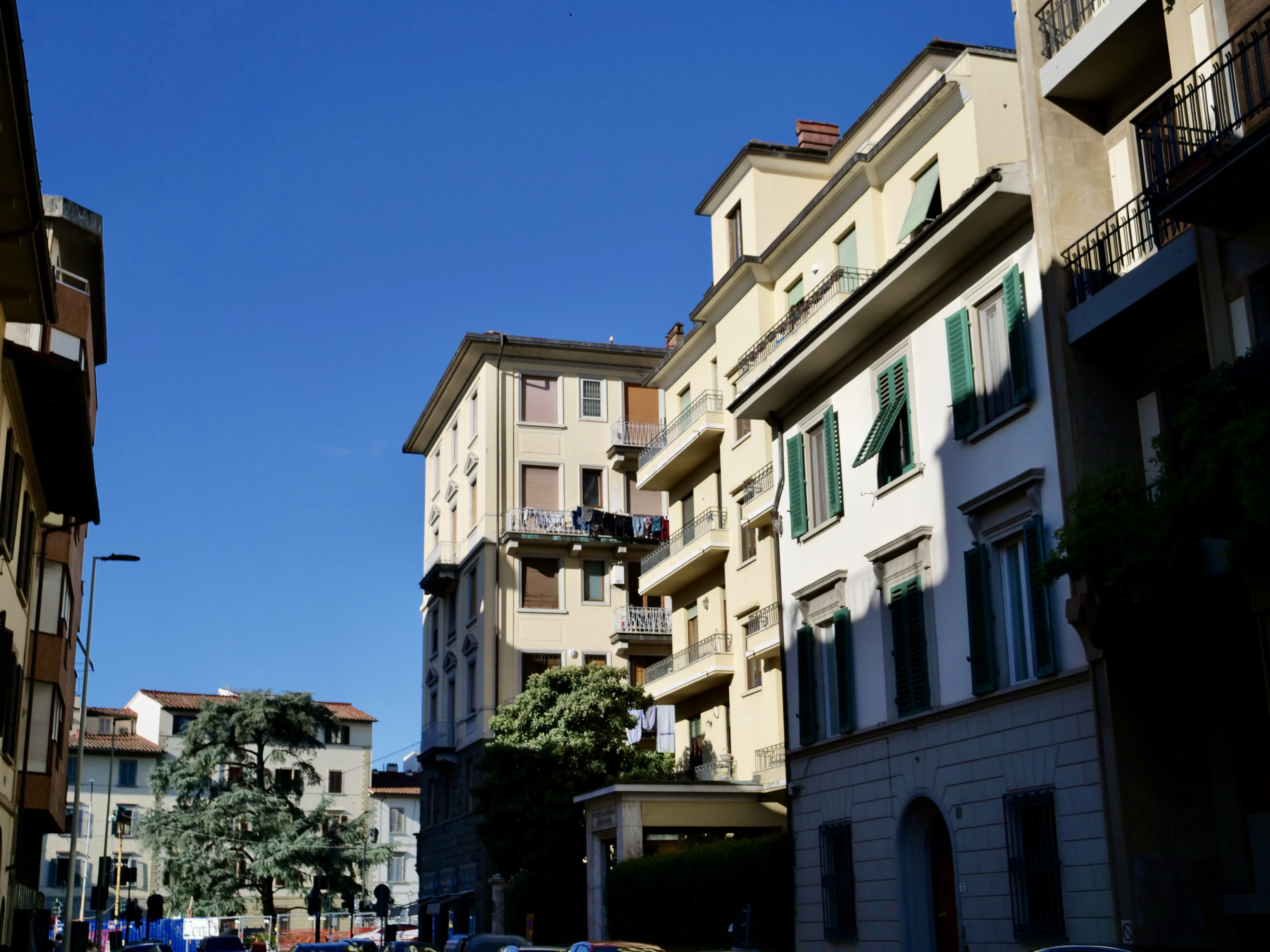
Florence, the city most people mean when they say "the Renaissance." The word itself just means "rebirth" - the idea, starting here in the 1300s and 1400s, that Europe could look past a thousand years of medieval religious art and rediscover the humanism, proportion, and technical ambition of classical Greece and Rome.
It wasn't only art: it was new ways of thinking about the individual, science, and the human body, spread first through Florentine workshops and eventually across all of Europe by way of the printing press.
.
Siena
September 18, 2026
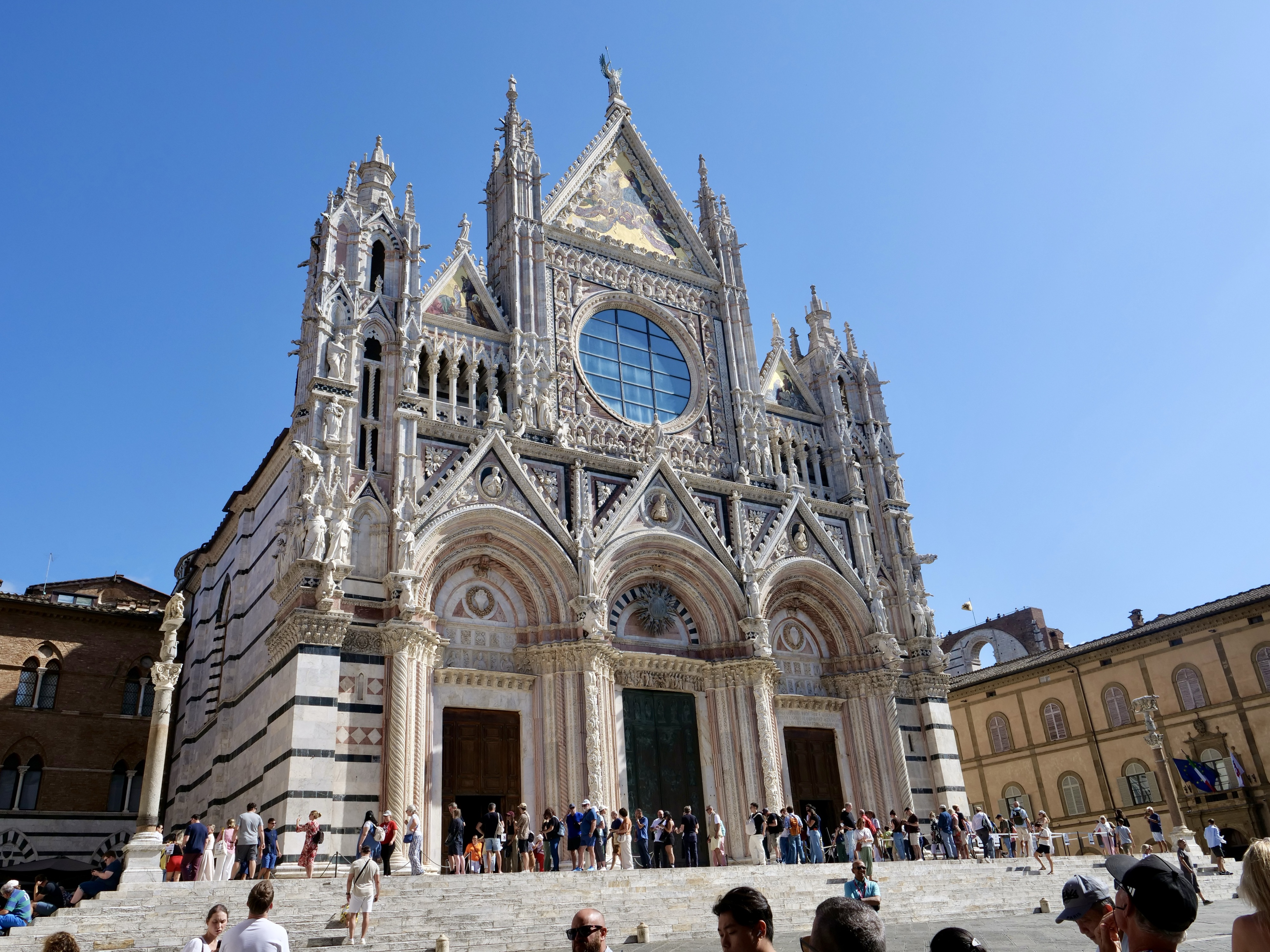
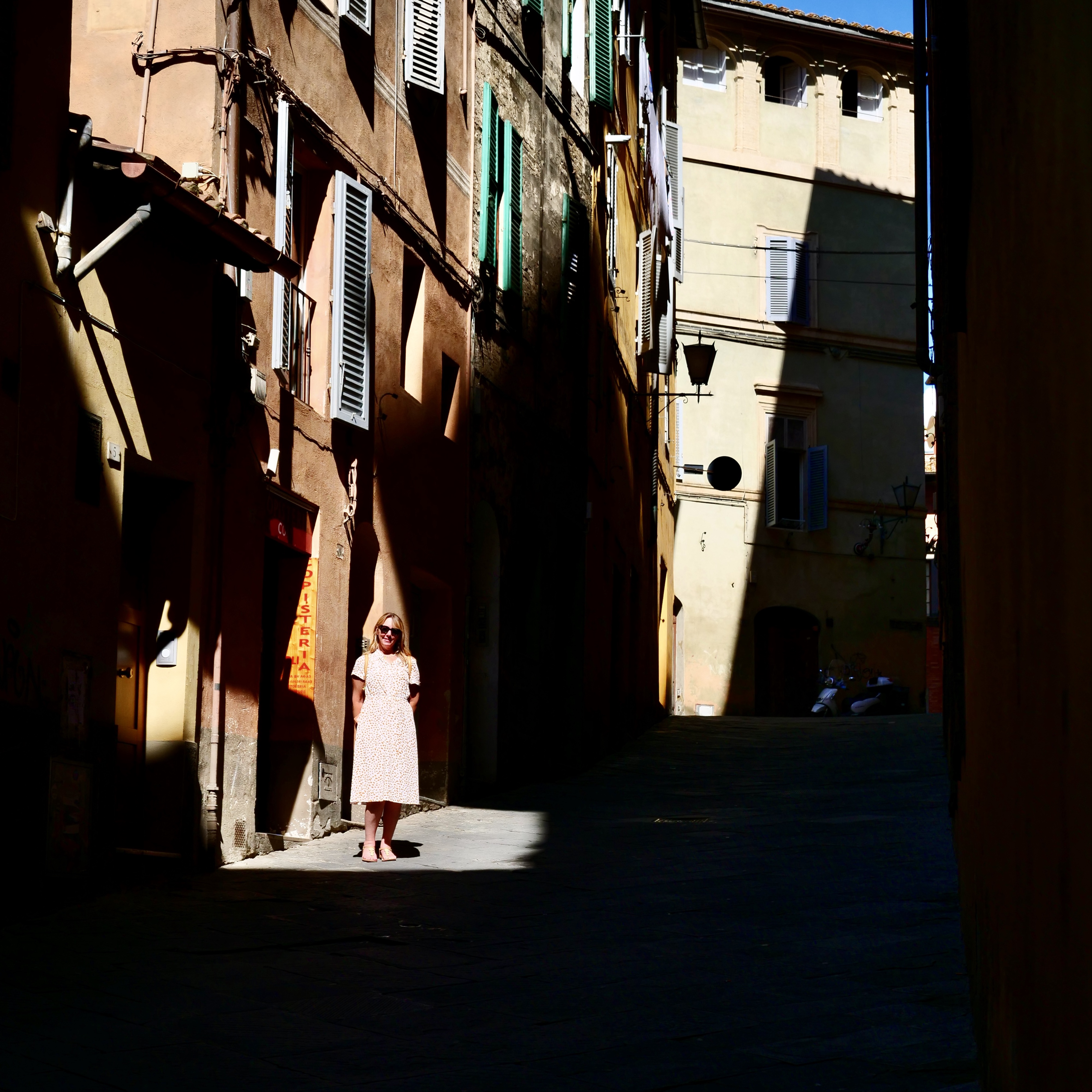
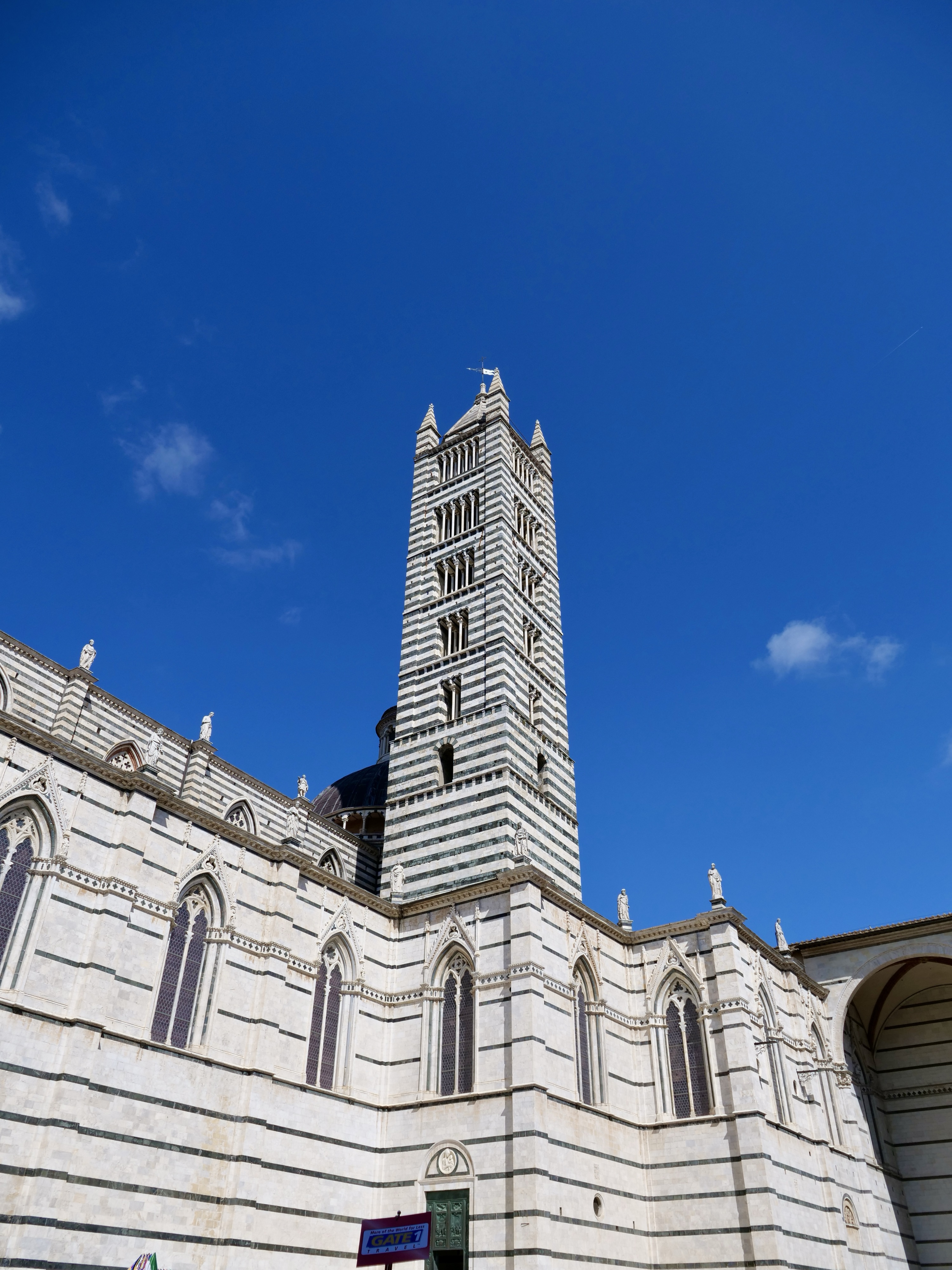
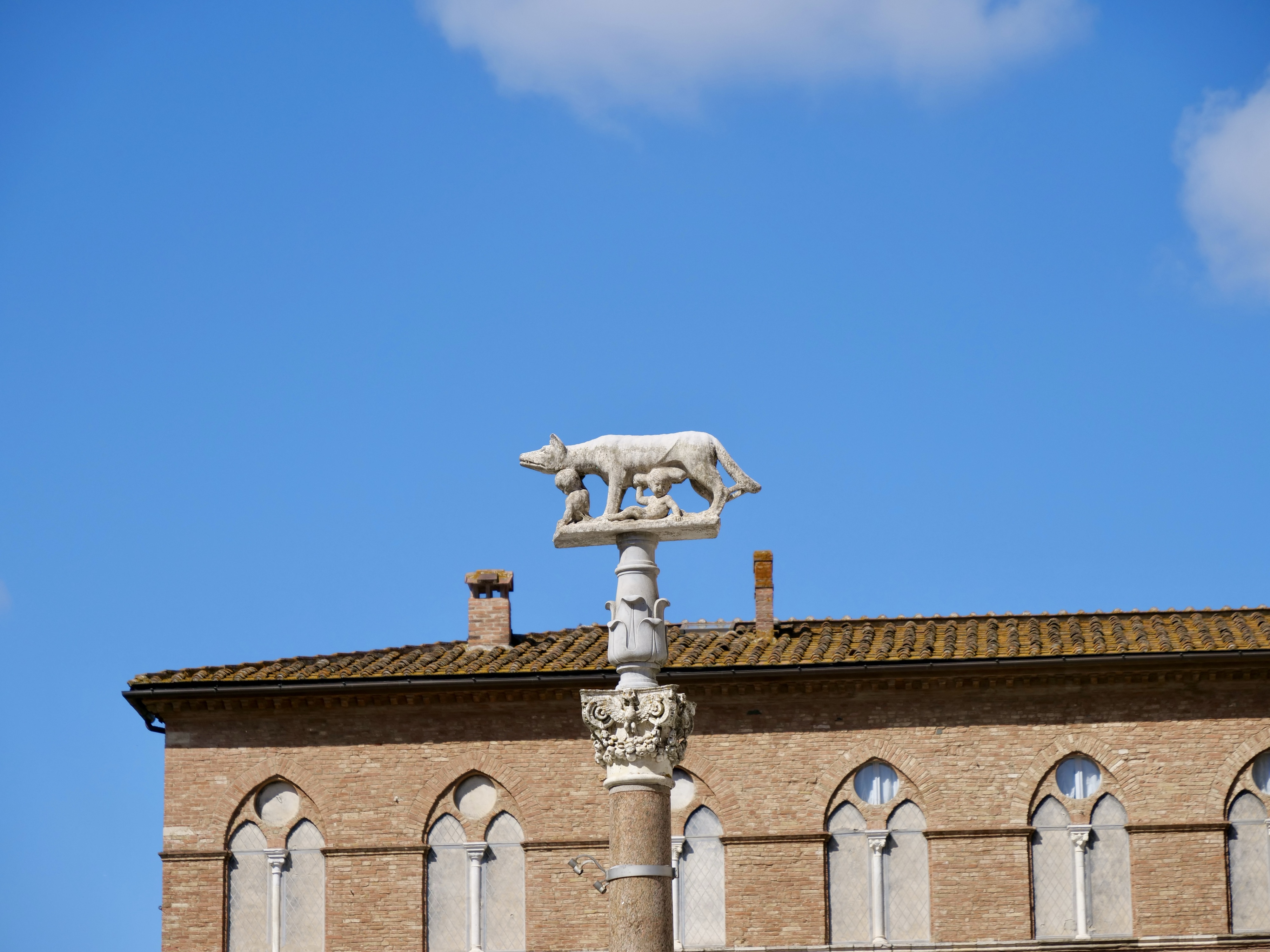
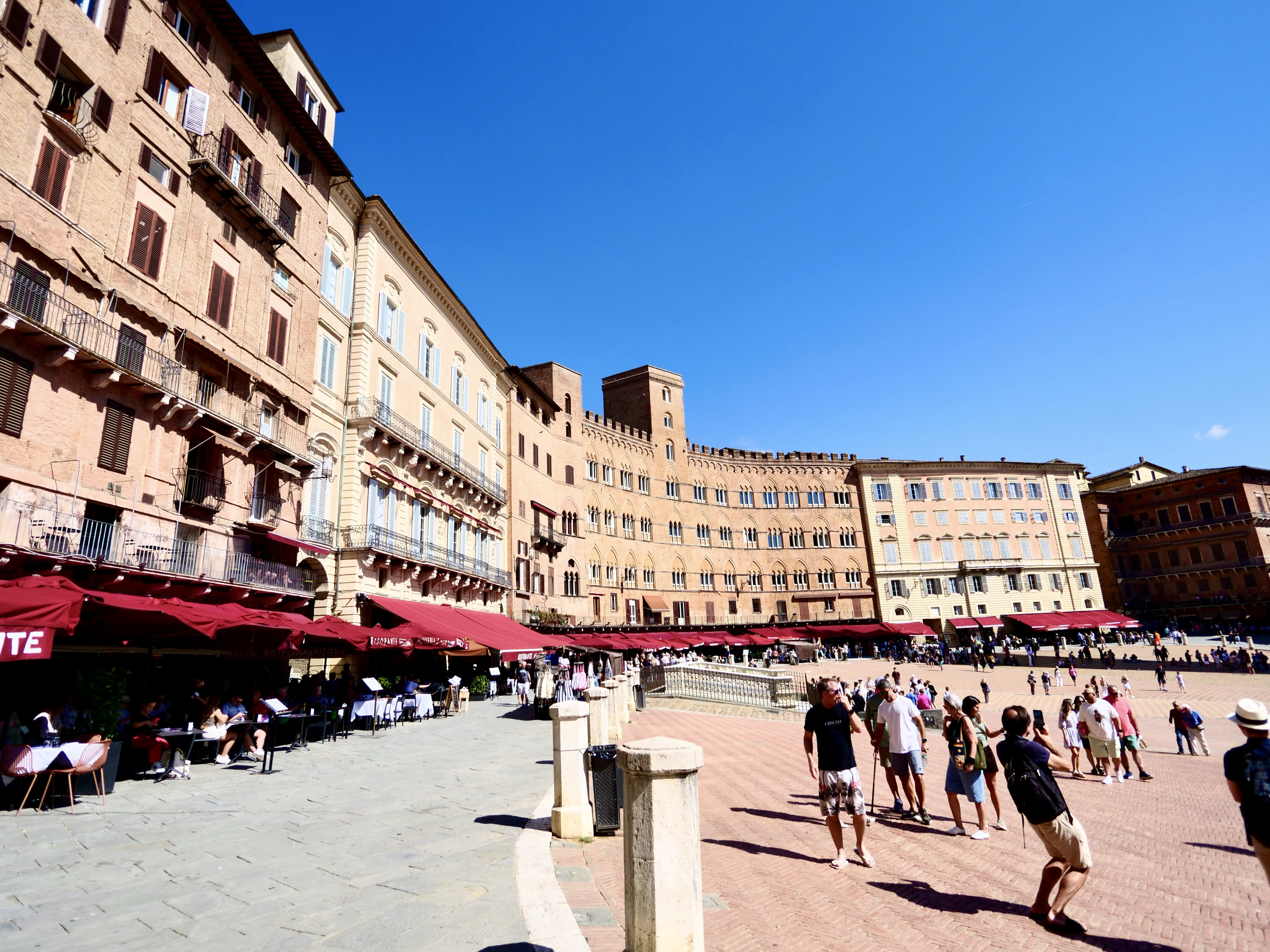
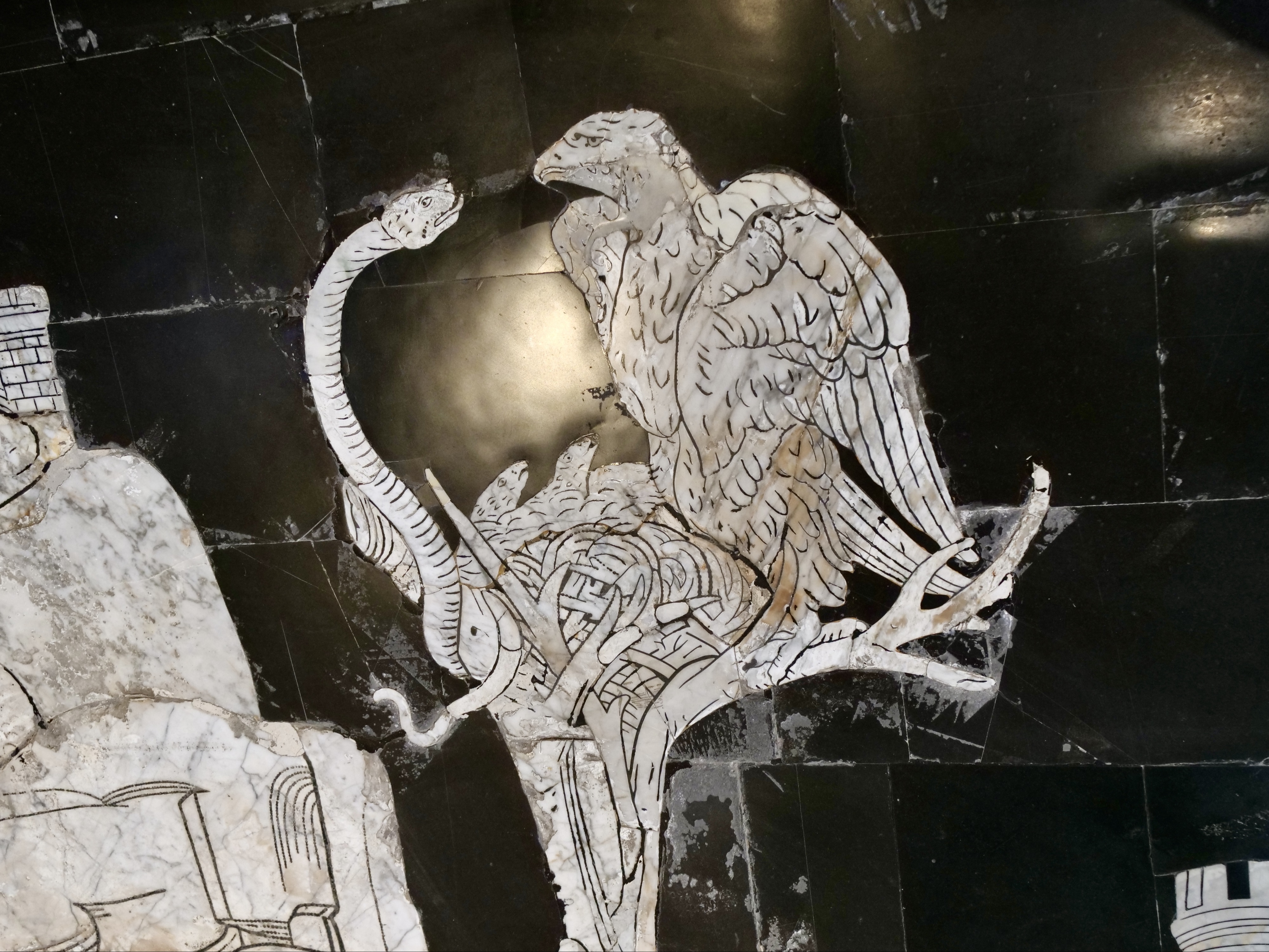
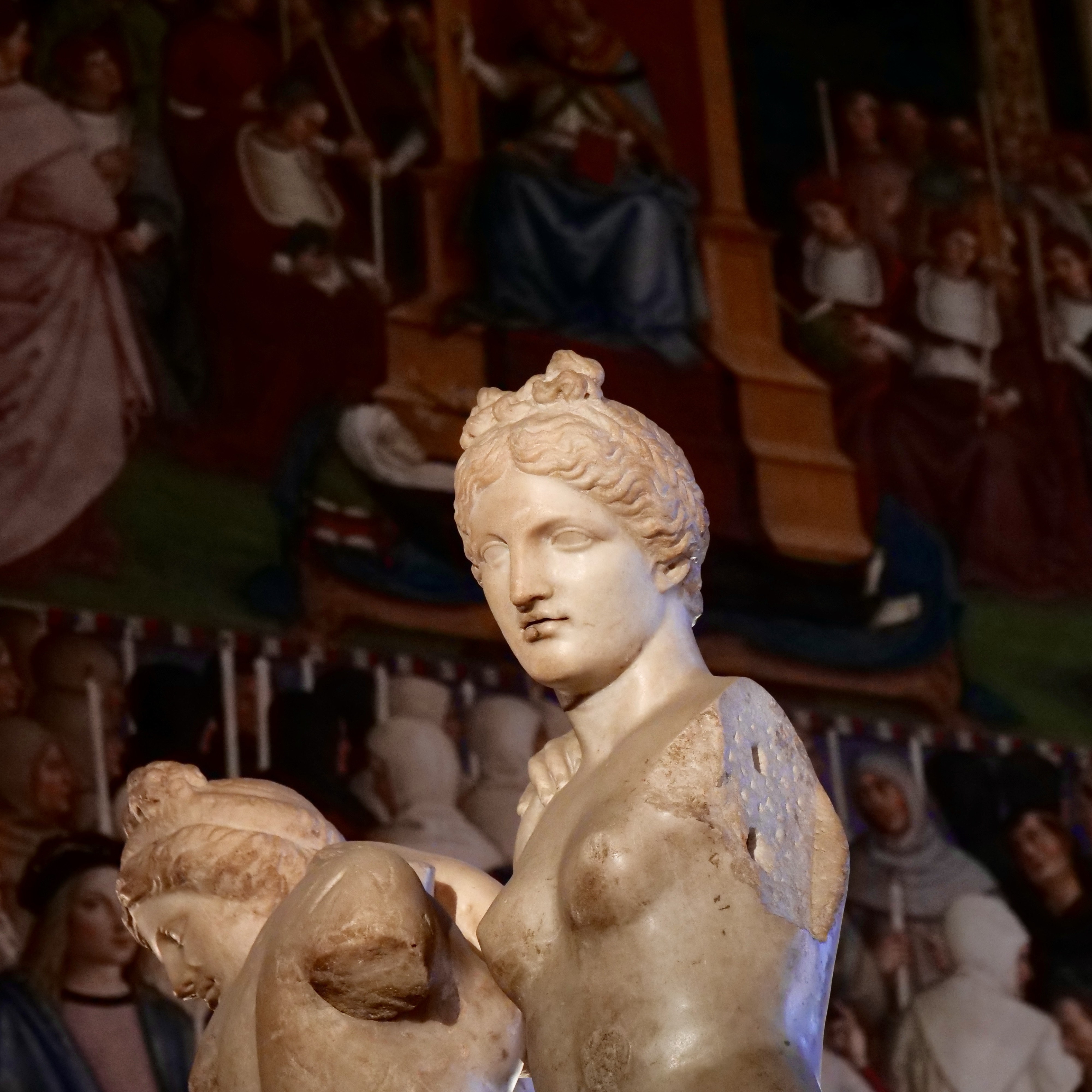
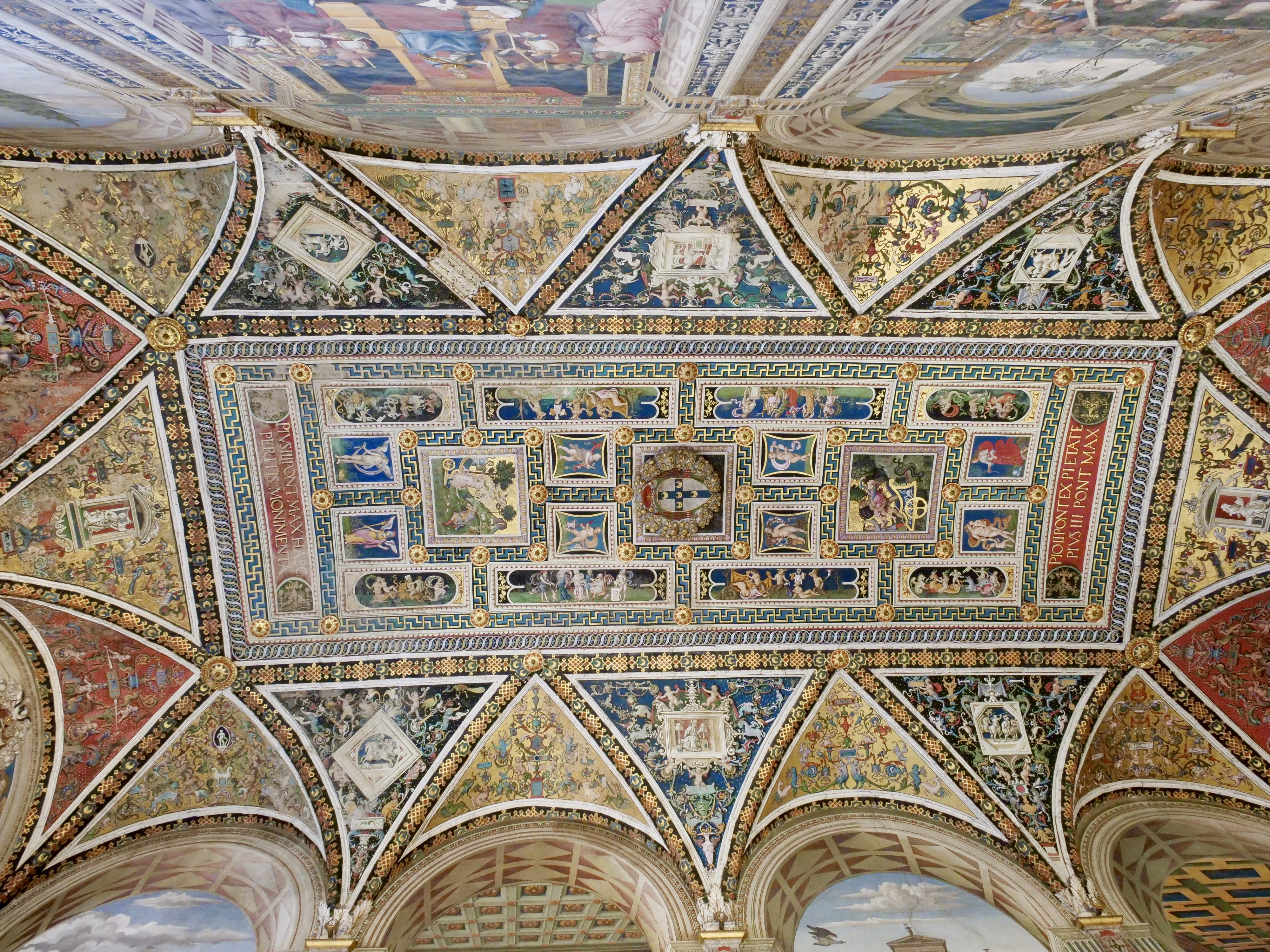
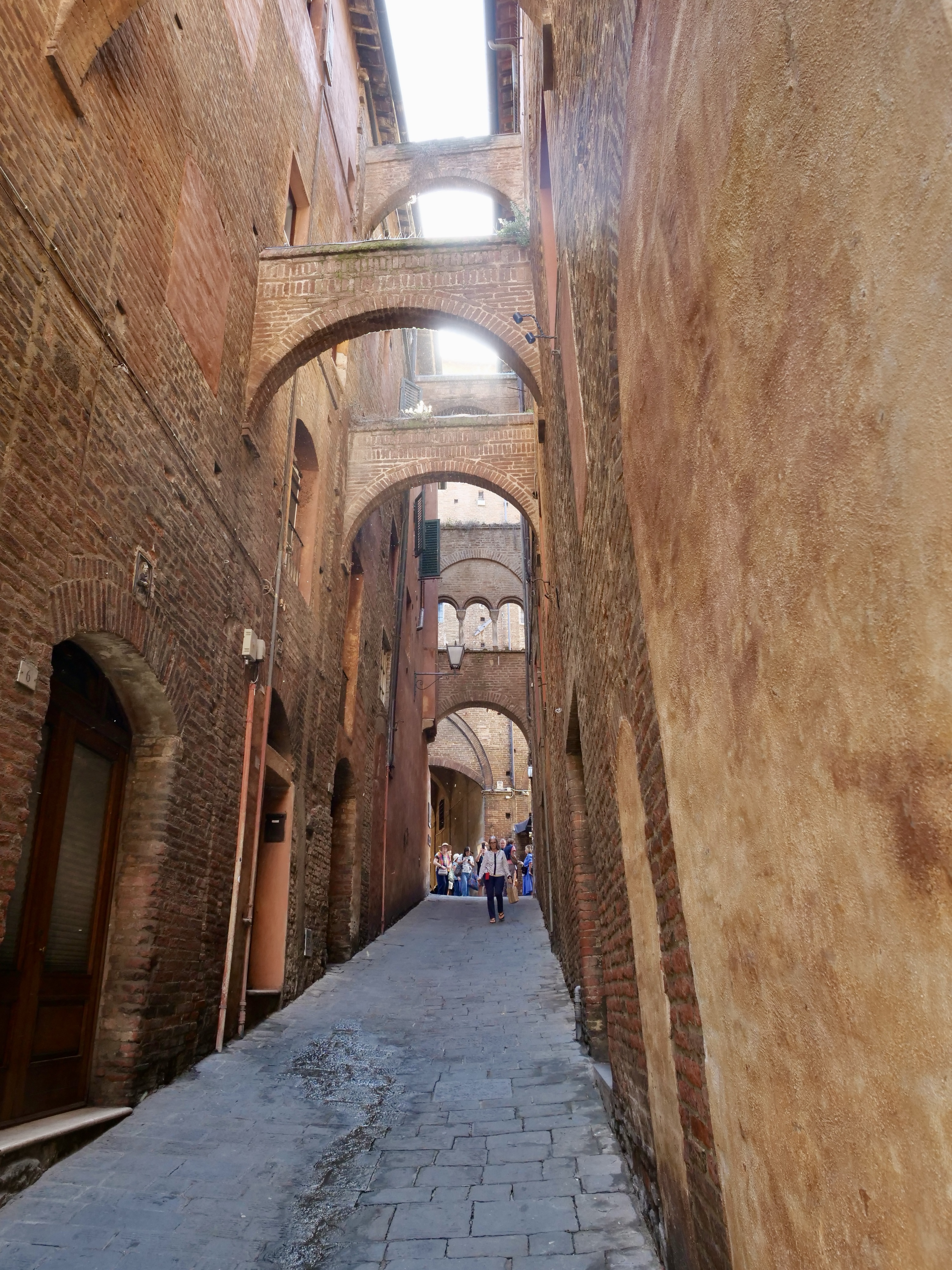
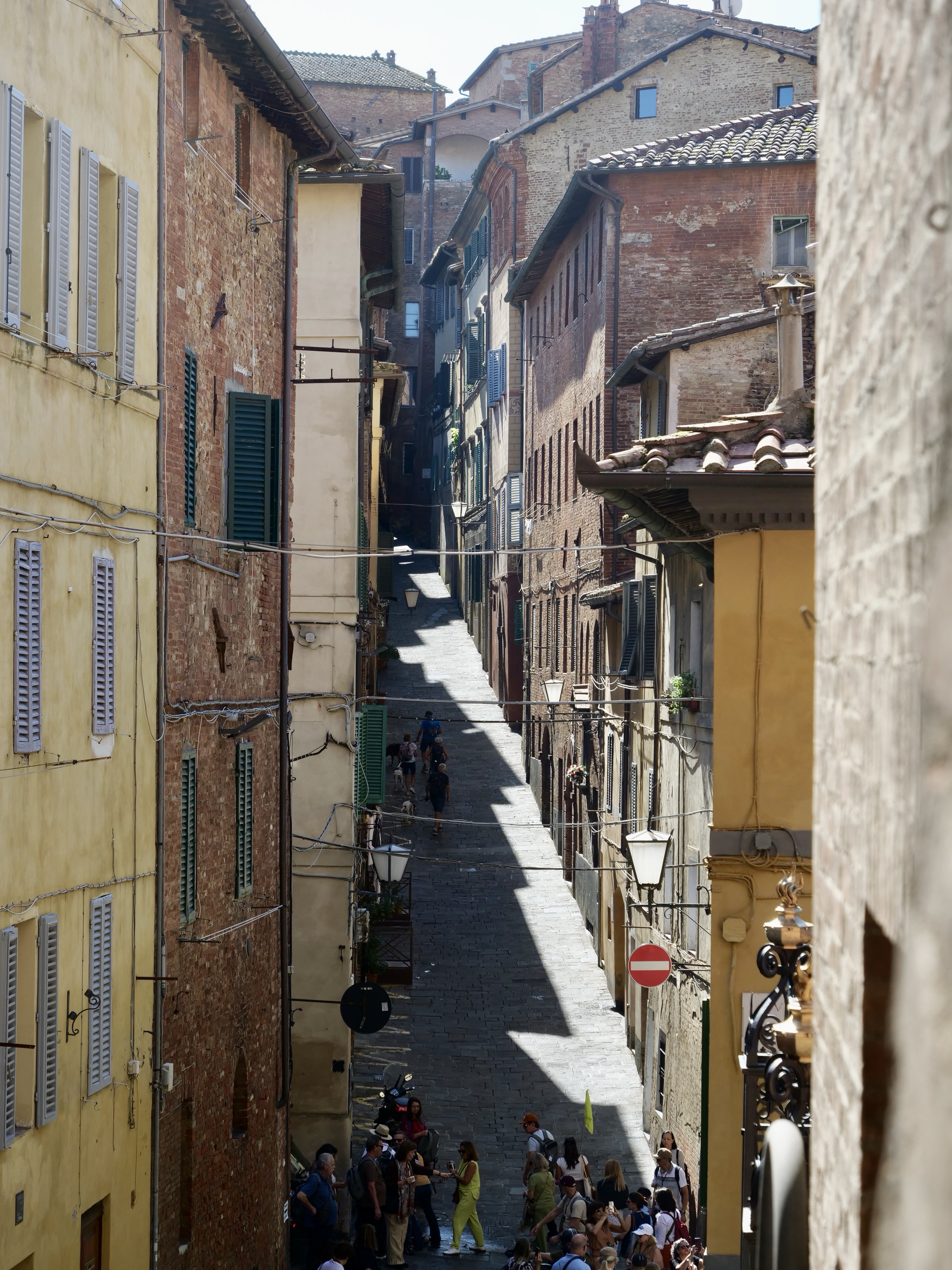
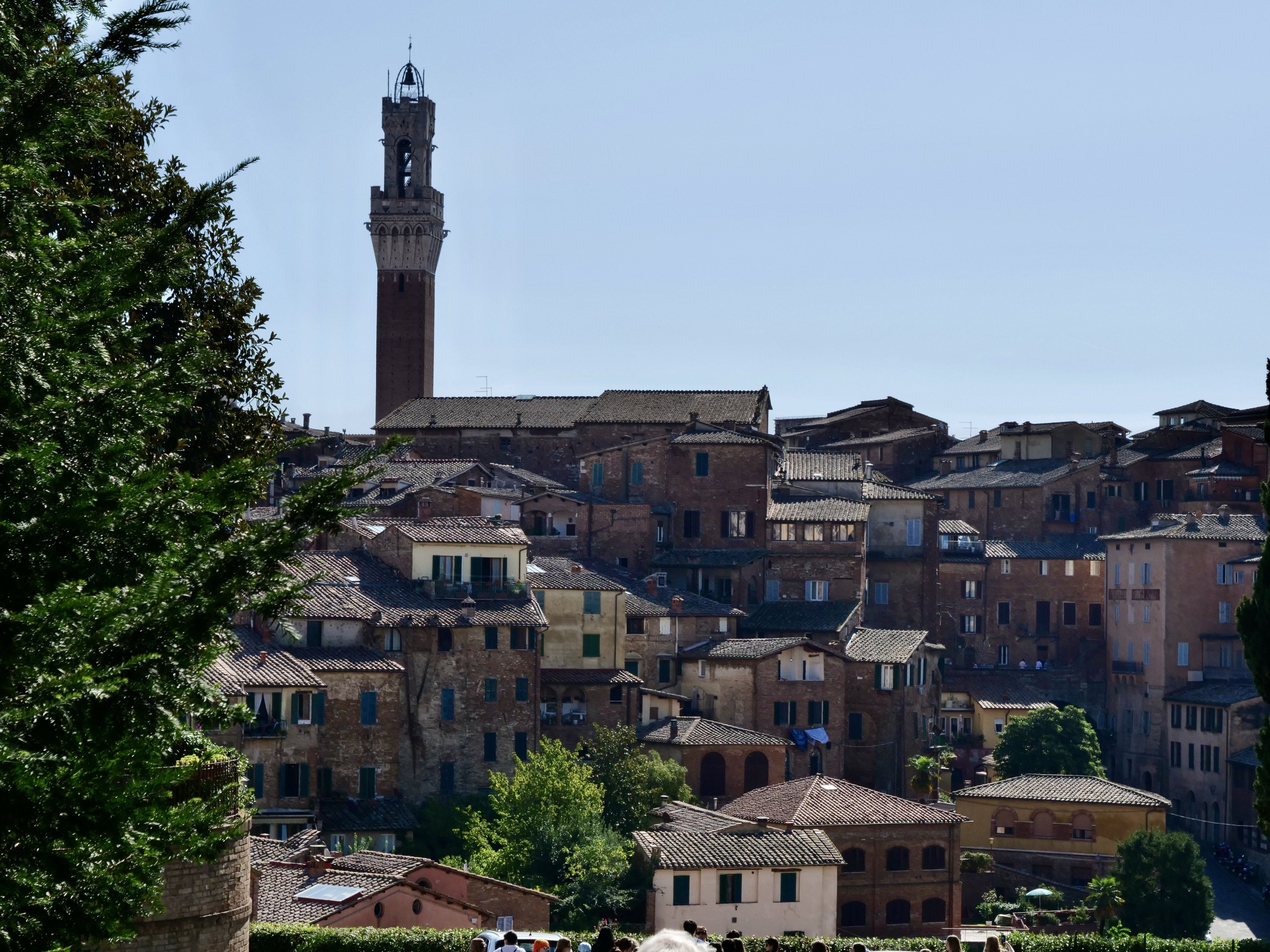
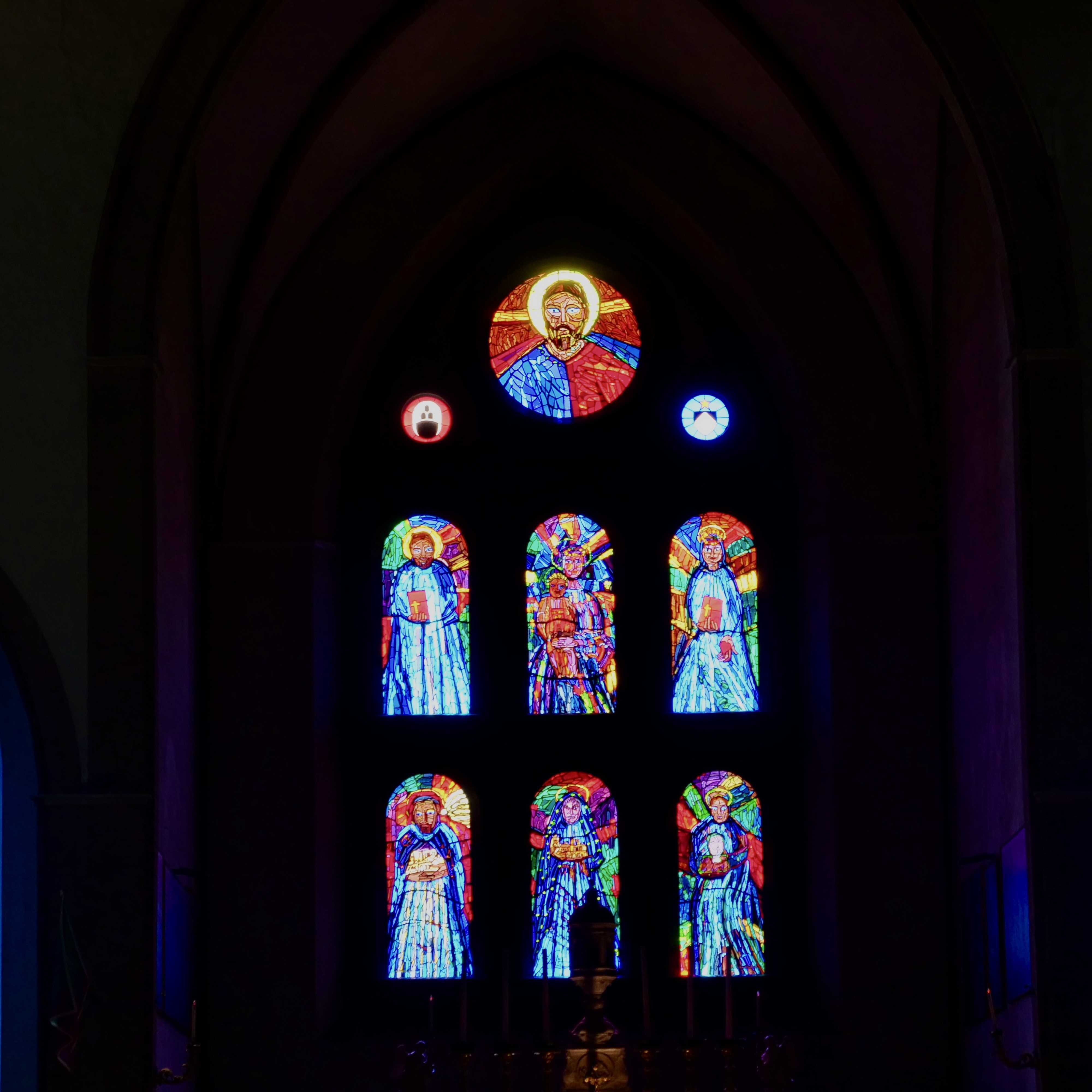
We had a full day excursion to Siena.
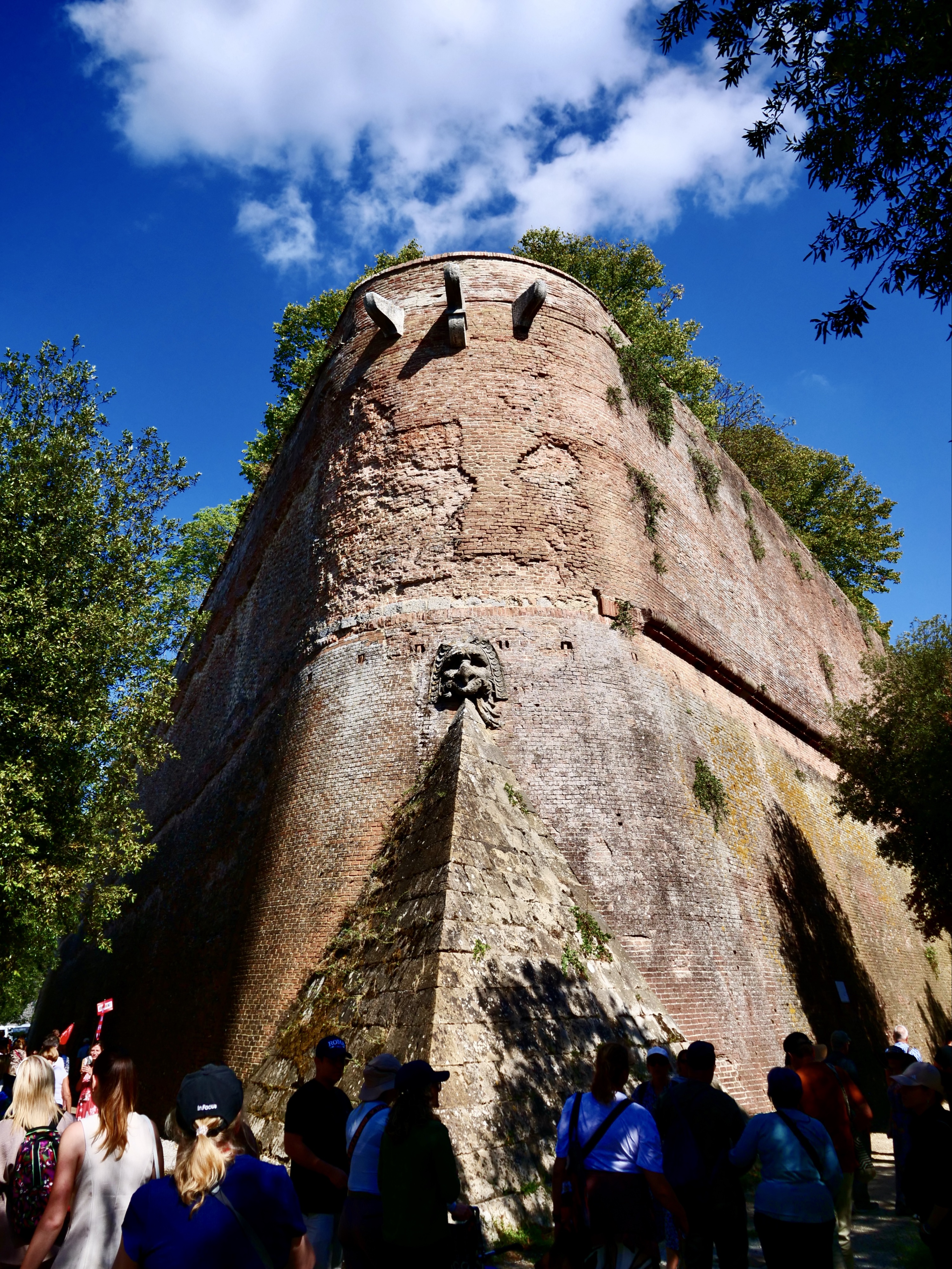
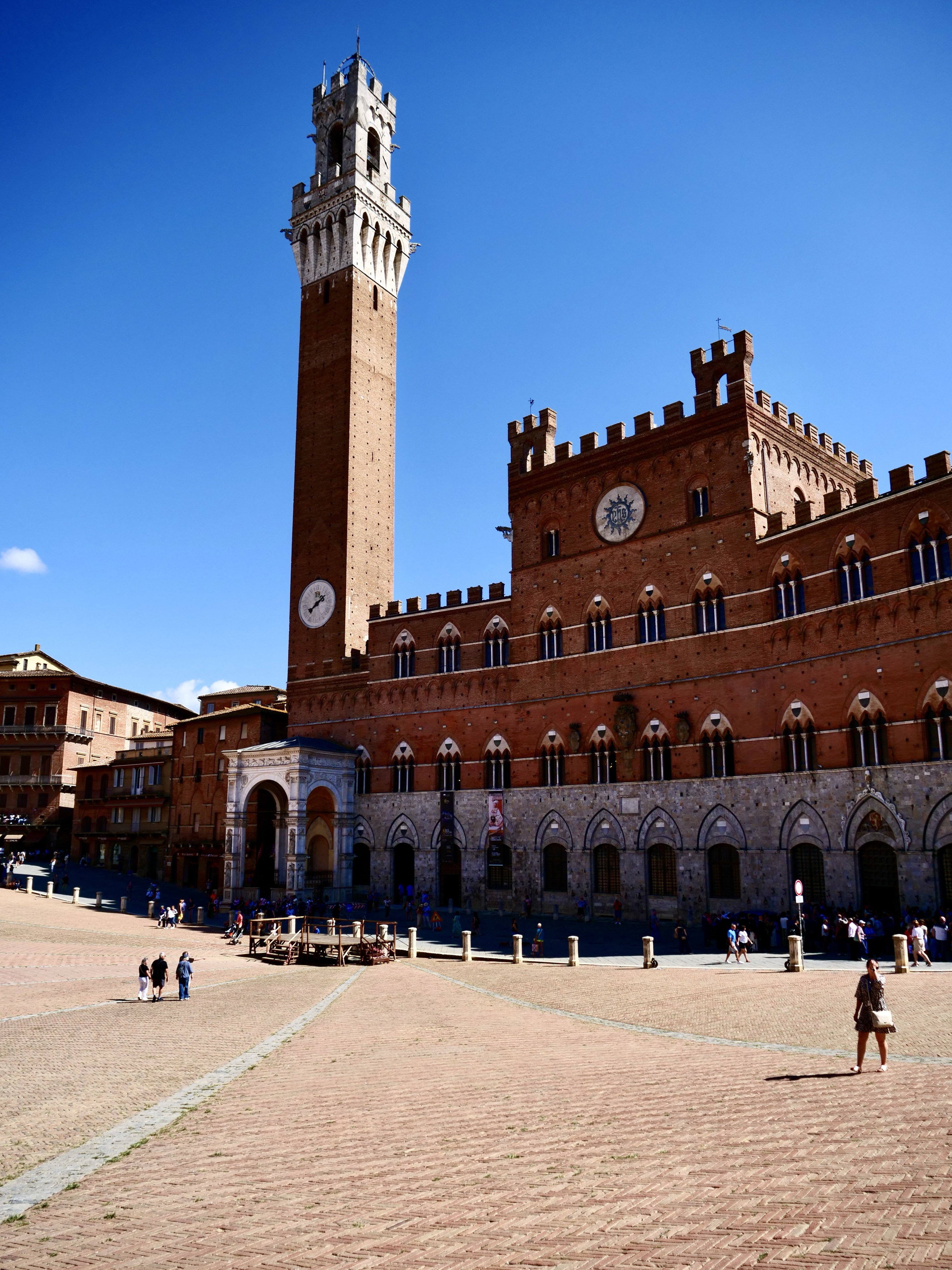
Siena's heart is the shell-shaped Piazza del Campo, built directly over the old Roman forum and still, by most accounts, one of the most beautiful public squares in Italy.
Siena was Florence's great rival for most of the medieval period, and it shows in the art: Sienese Gothic painting, led by artists like Duccio di Buoninsegna, developed its own distinct style of gold-ground, elegantly linear religious painting that stands apart from what was happening in Florence at the same time - a reminder that "Renaissance Italy" was never one single artistic movement so much as a set of fiercely competing city-states.
Cinque Terre
September 17, 2026
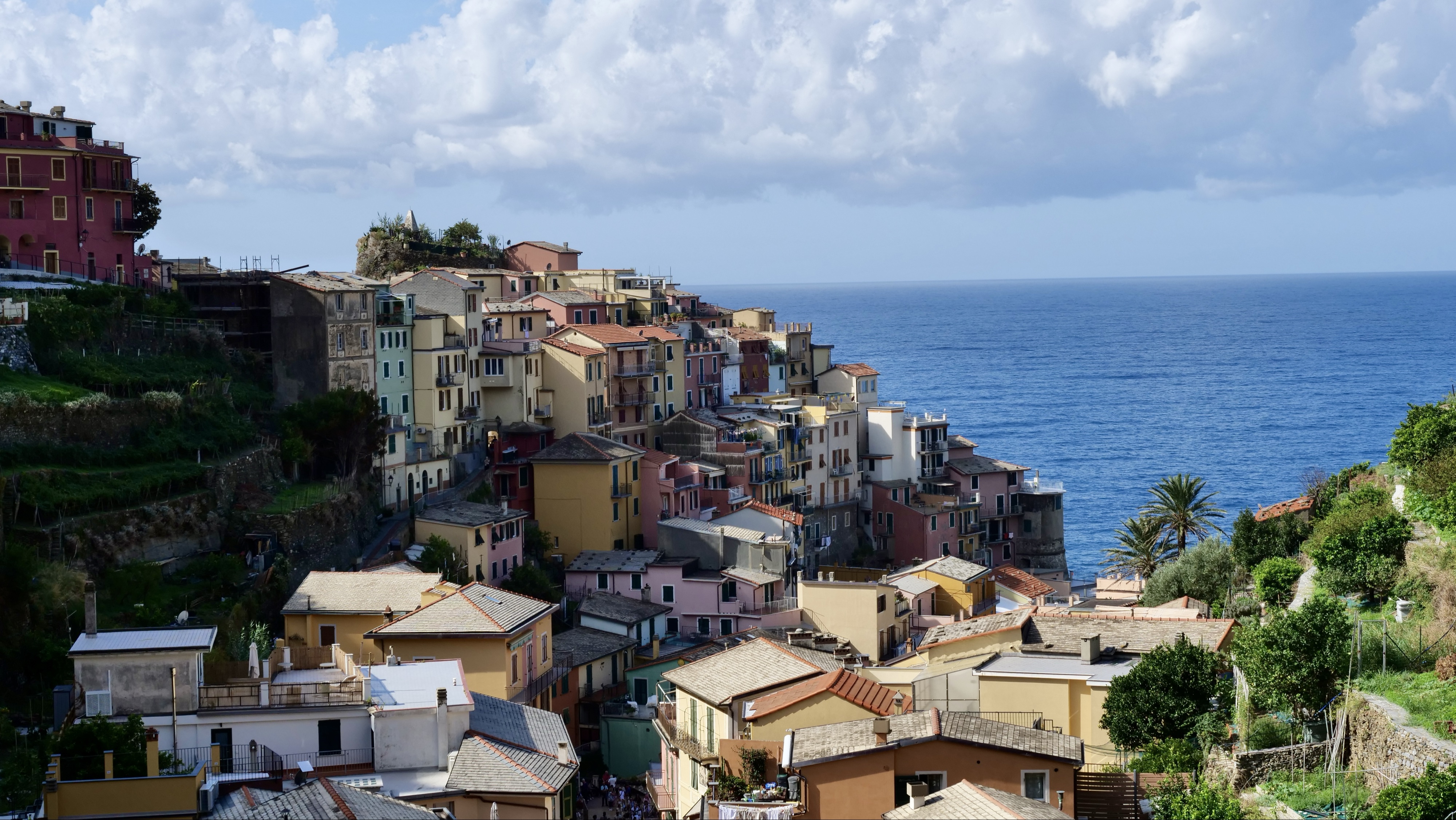
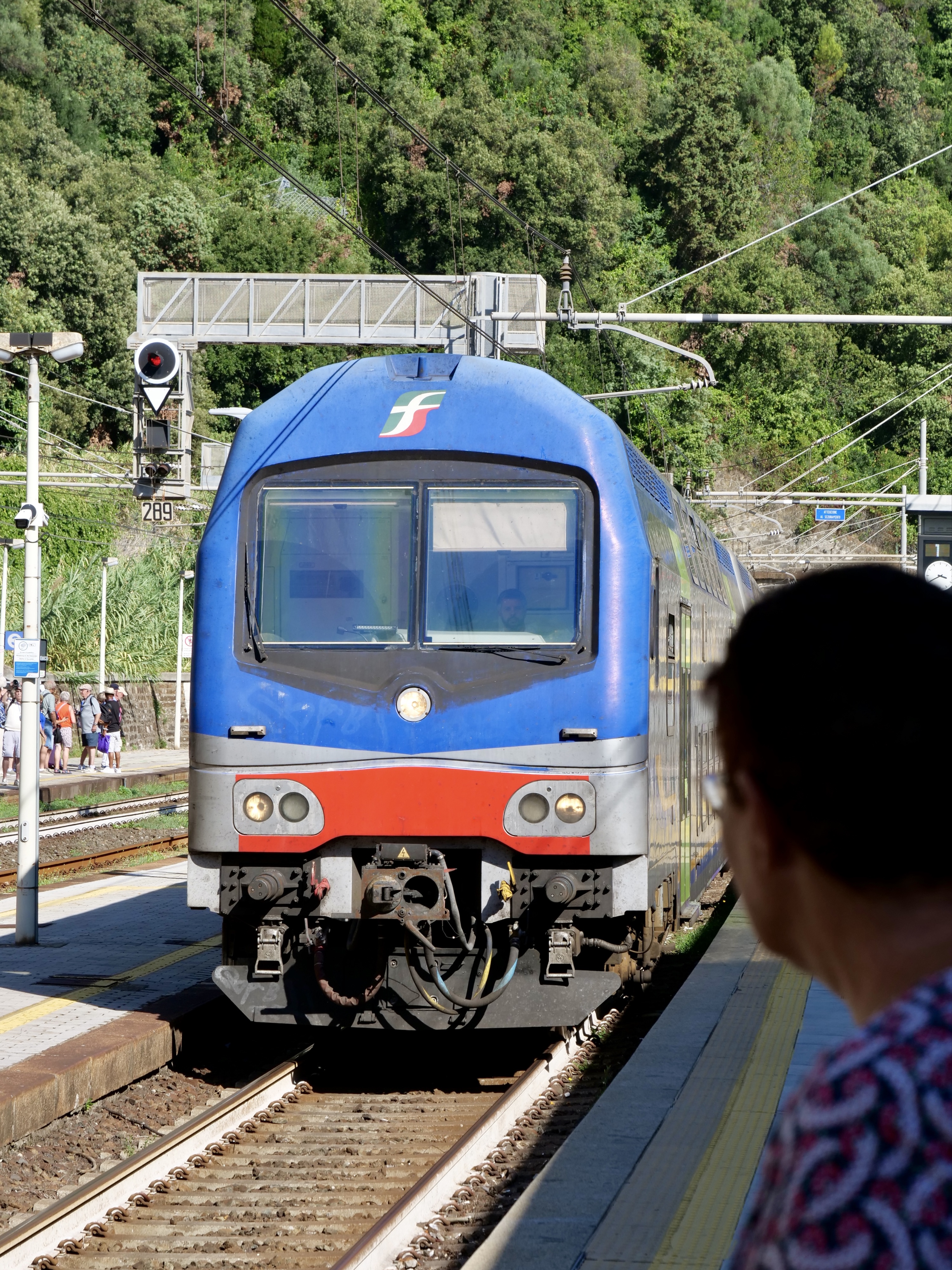
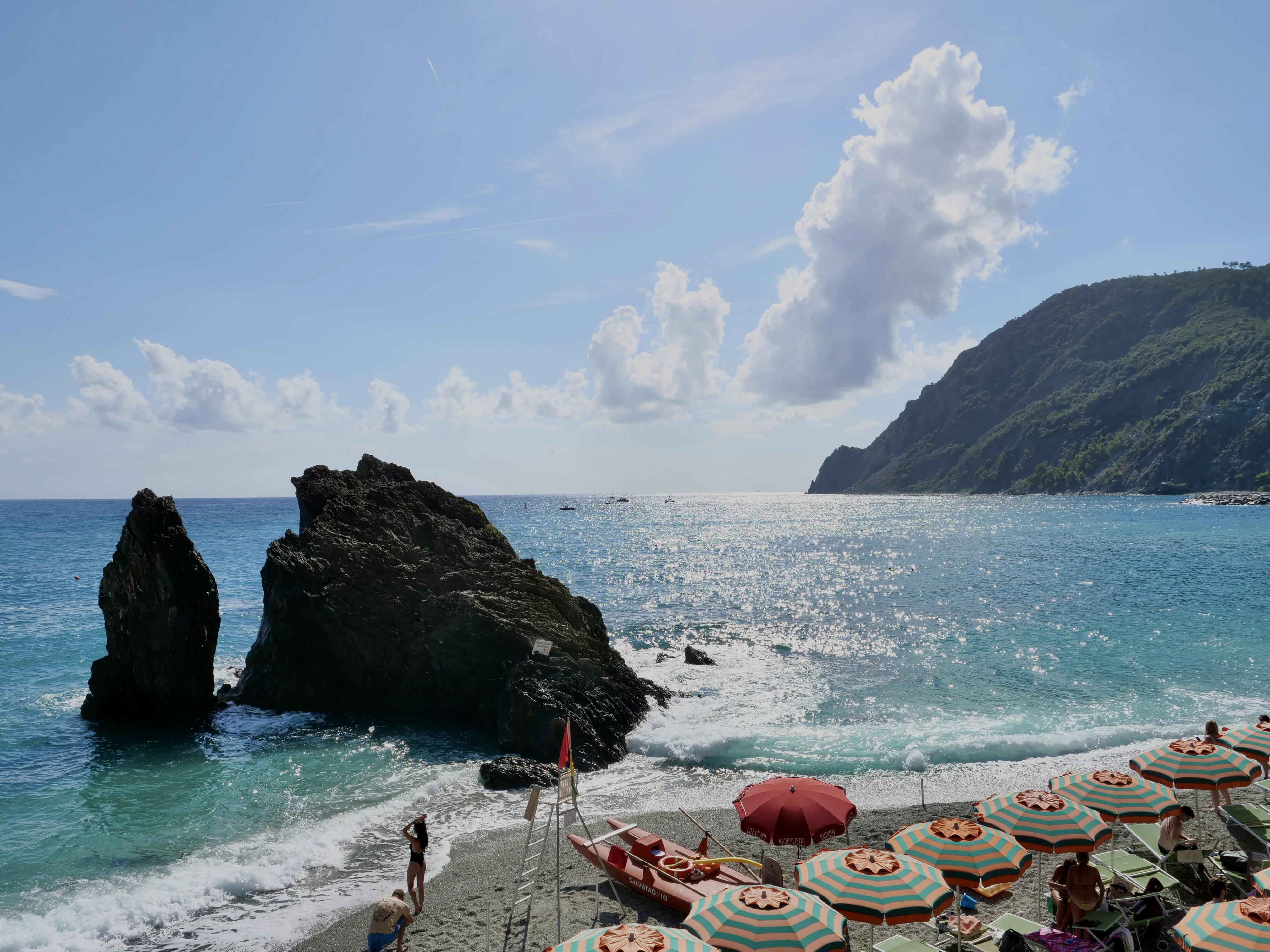
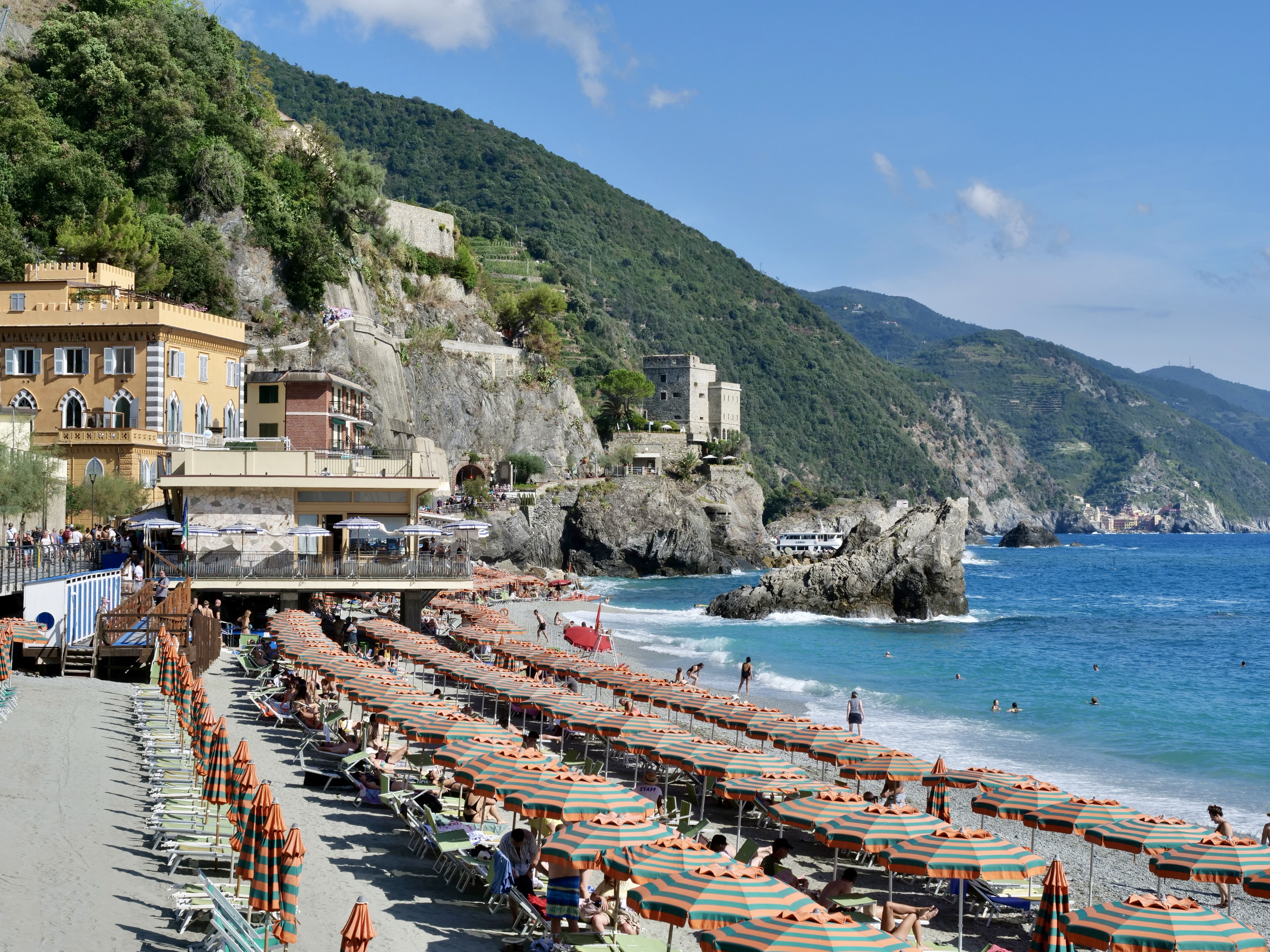
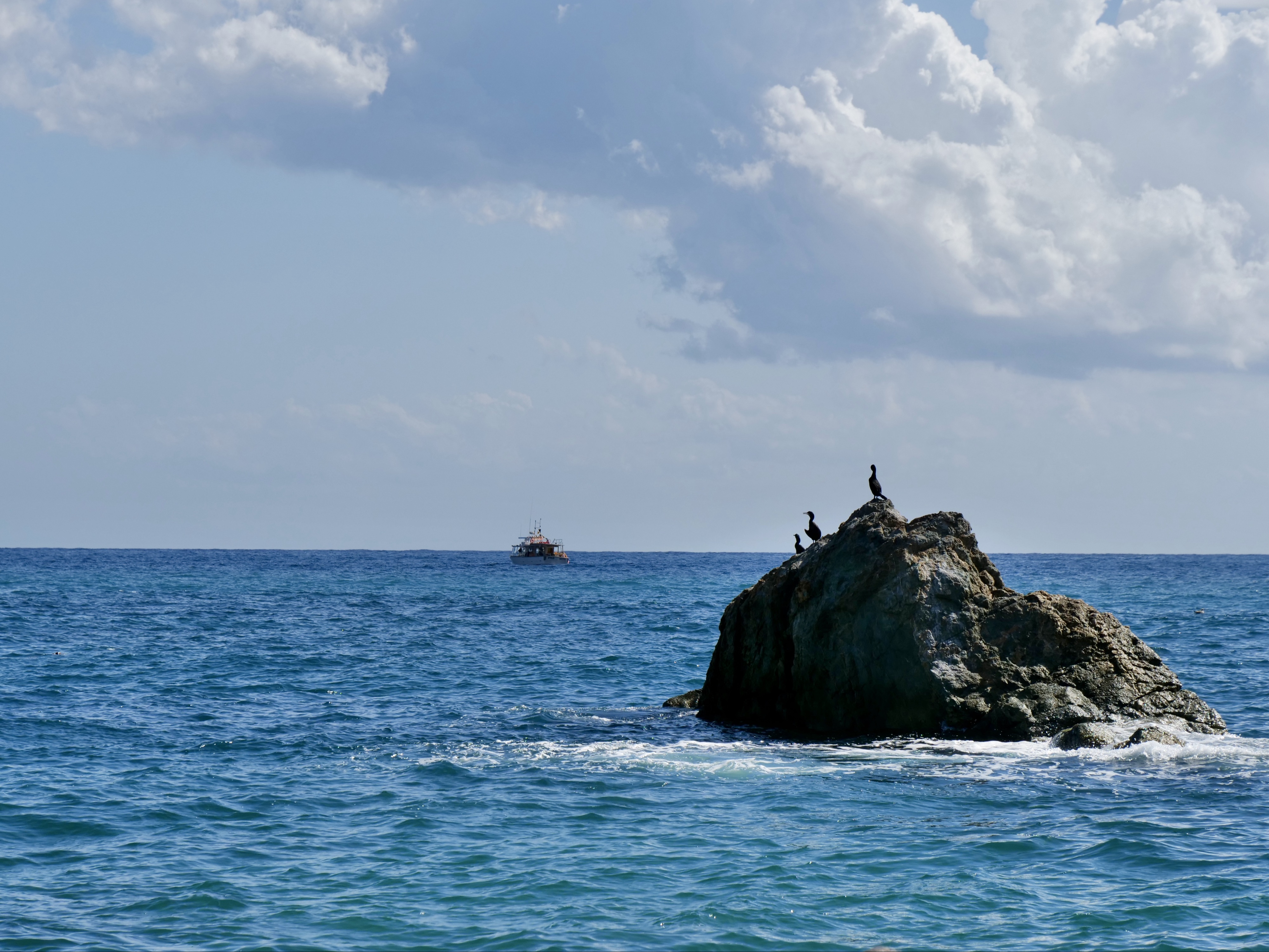
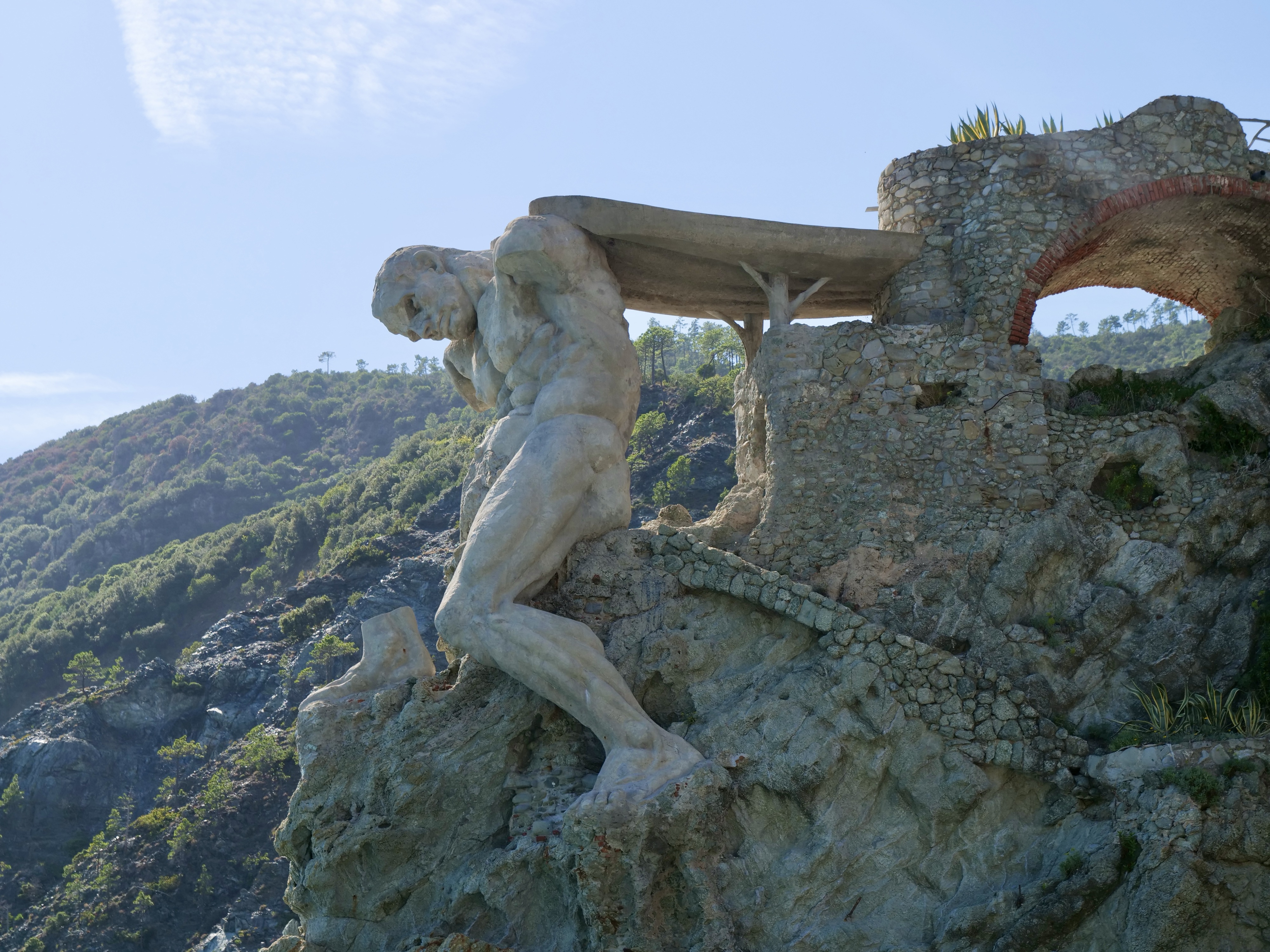
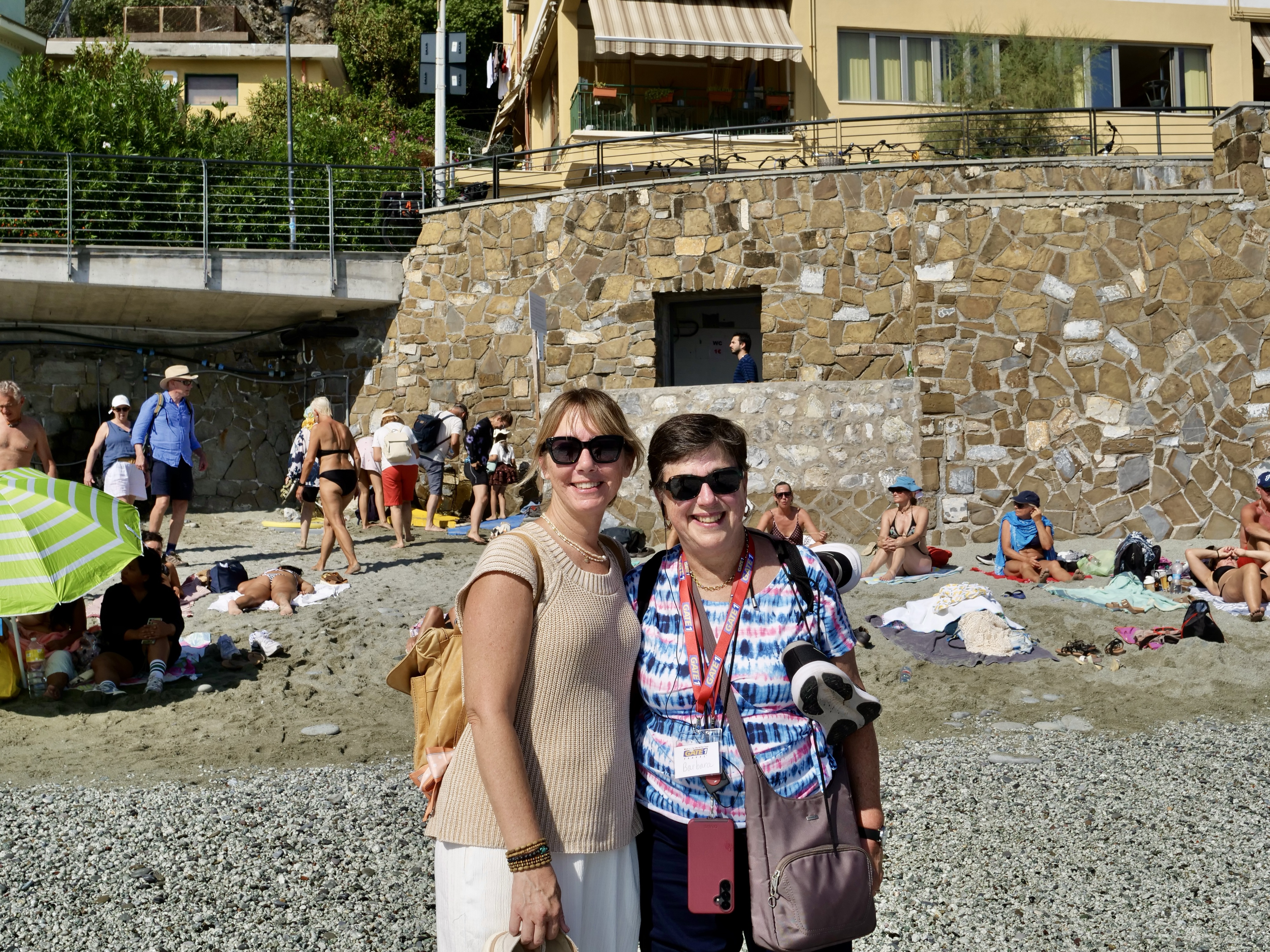
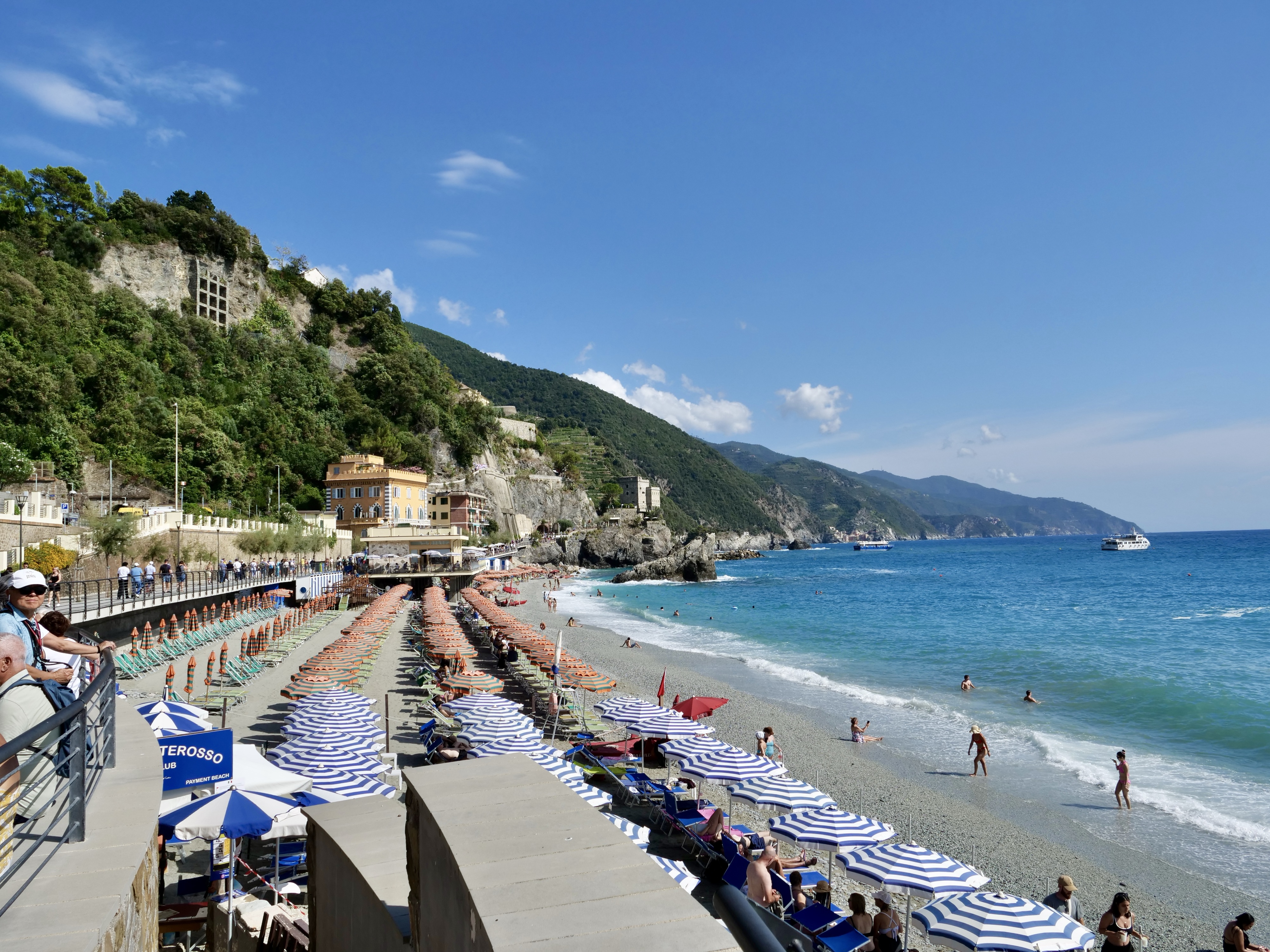
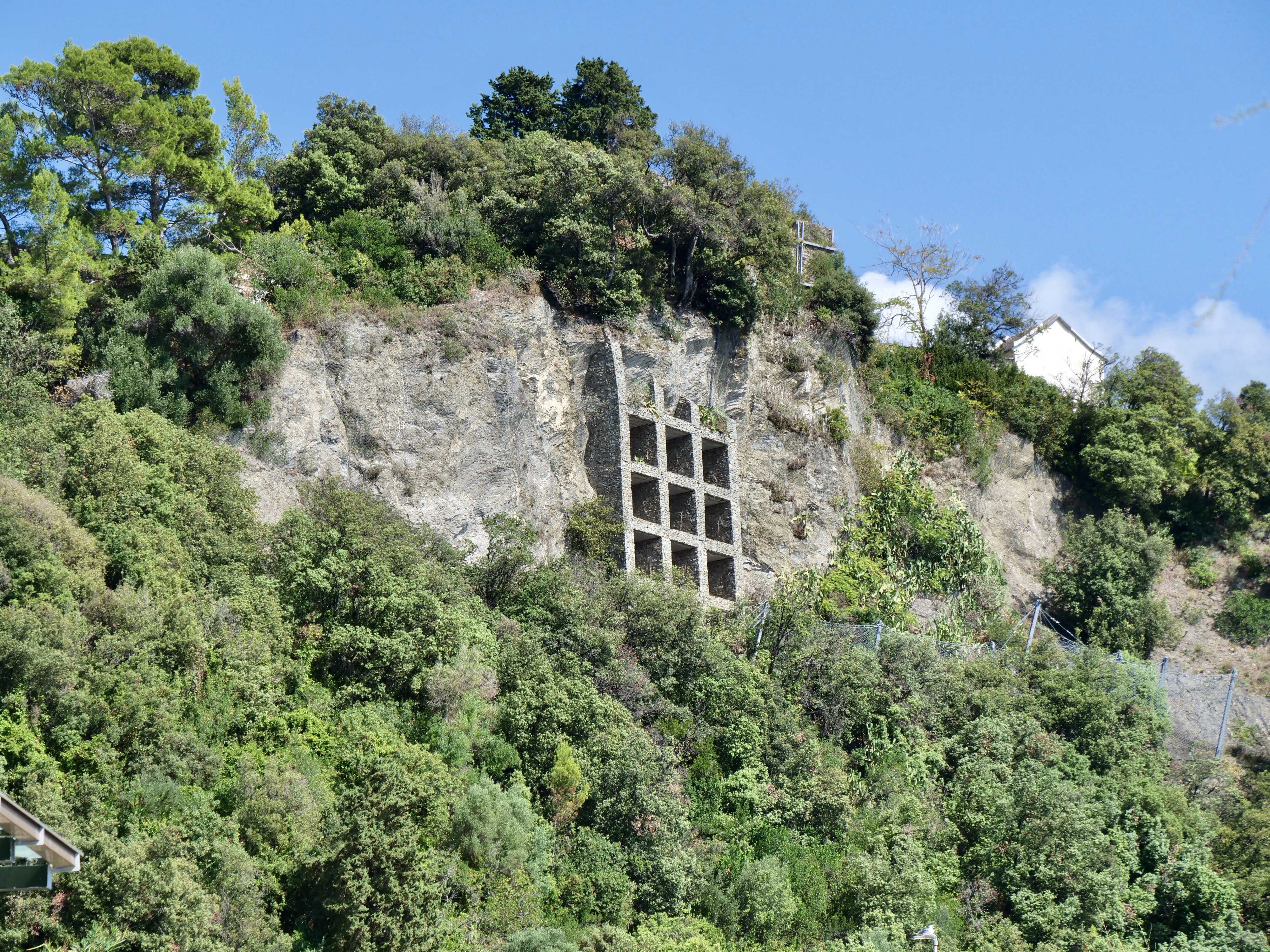
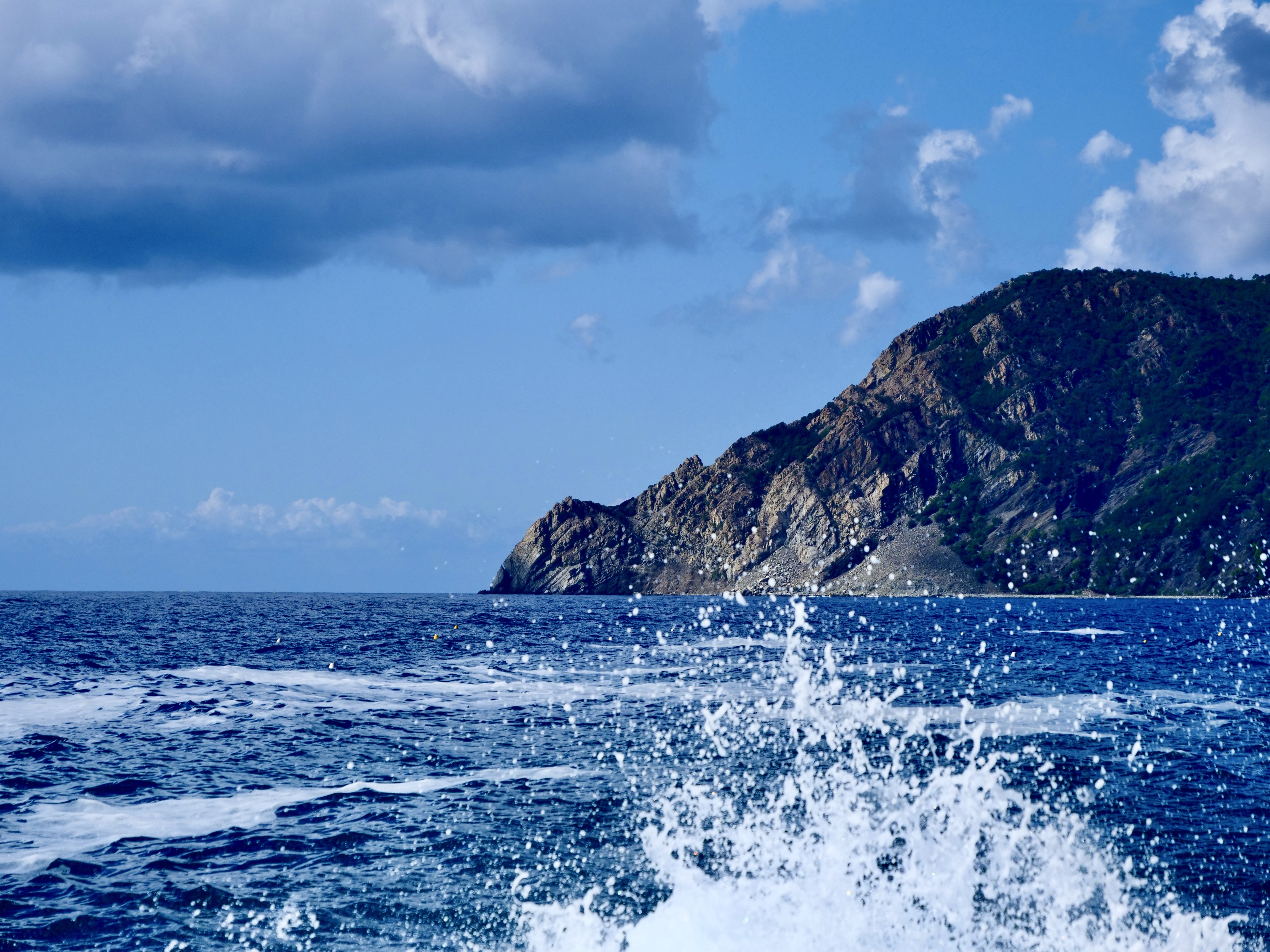
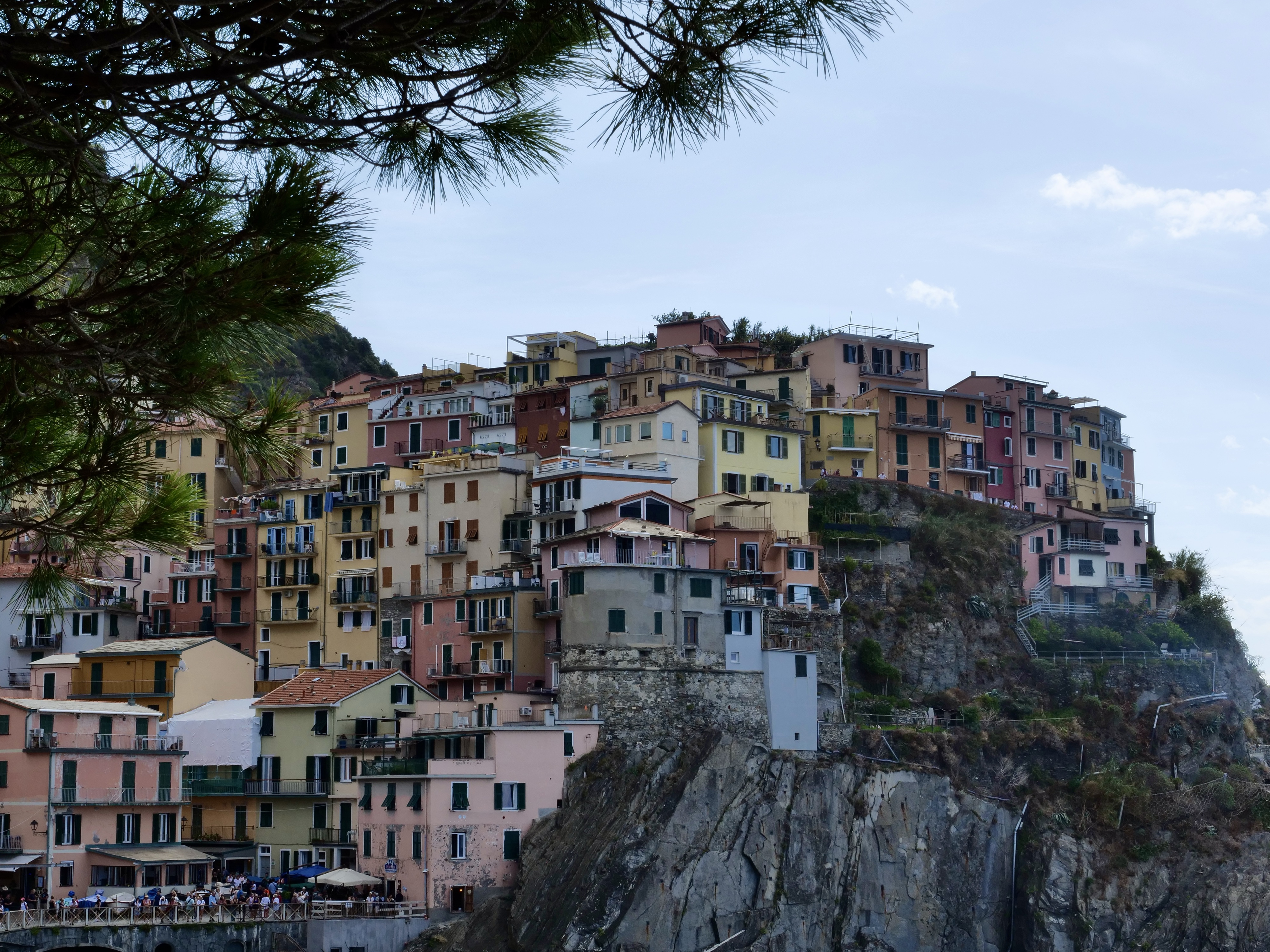
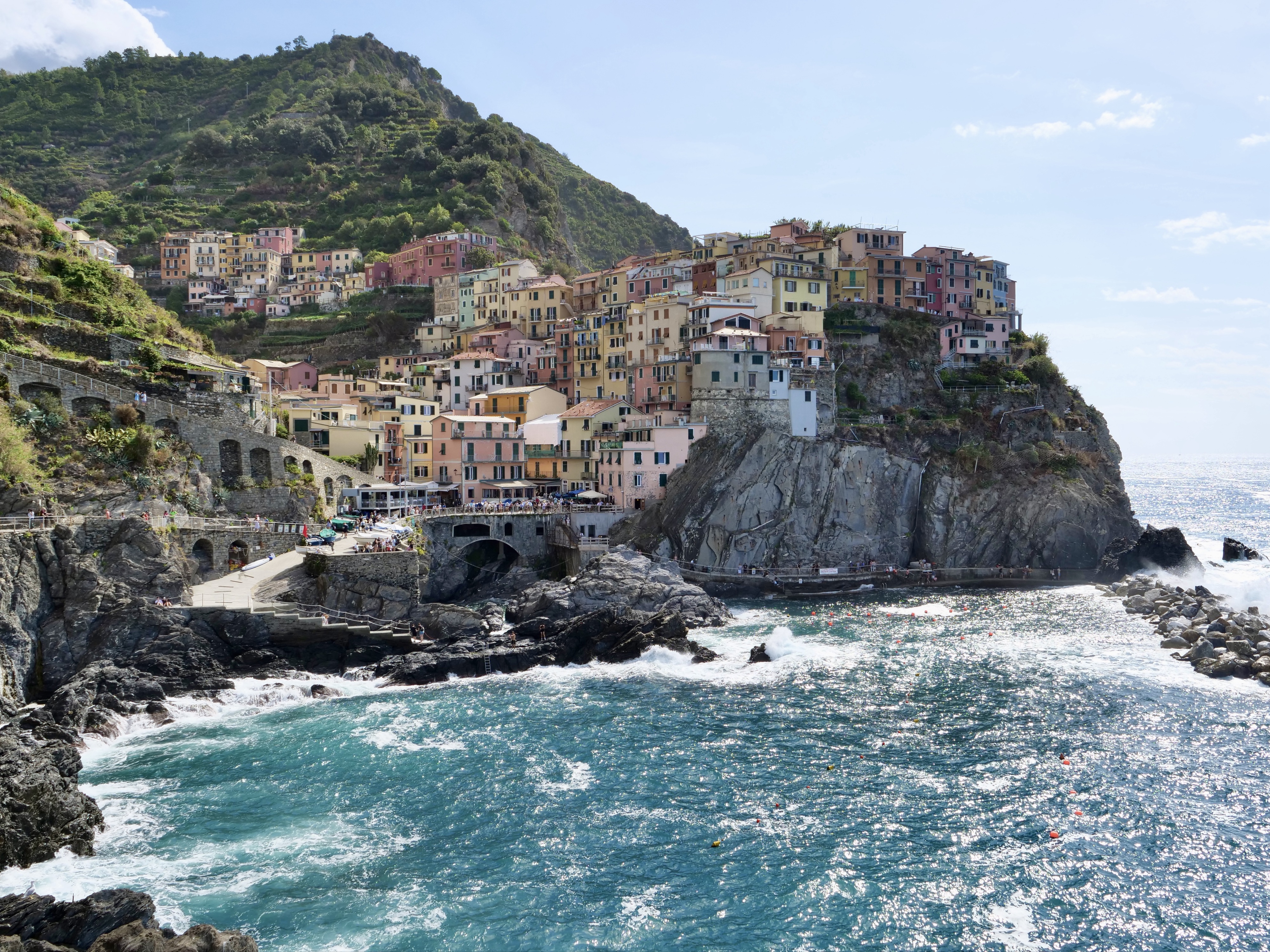
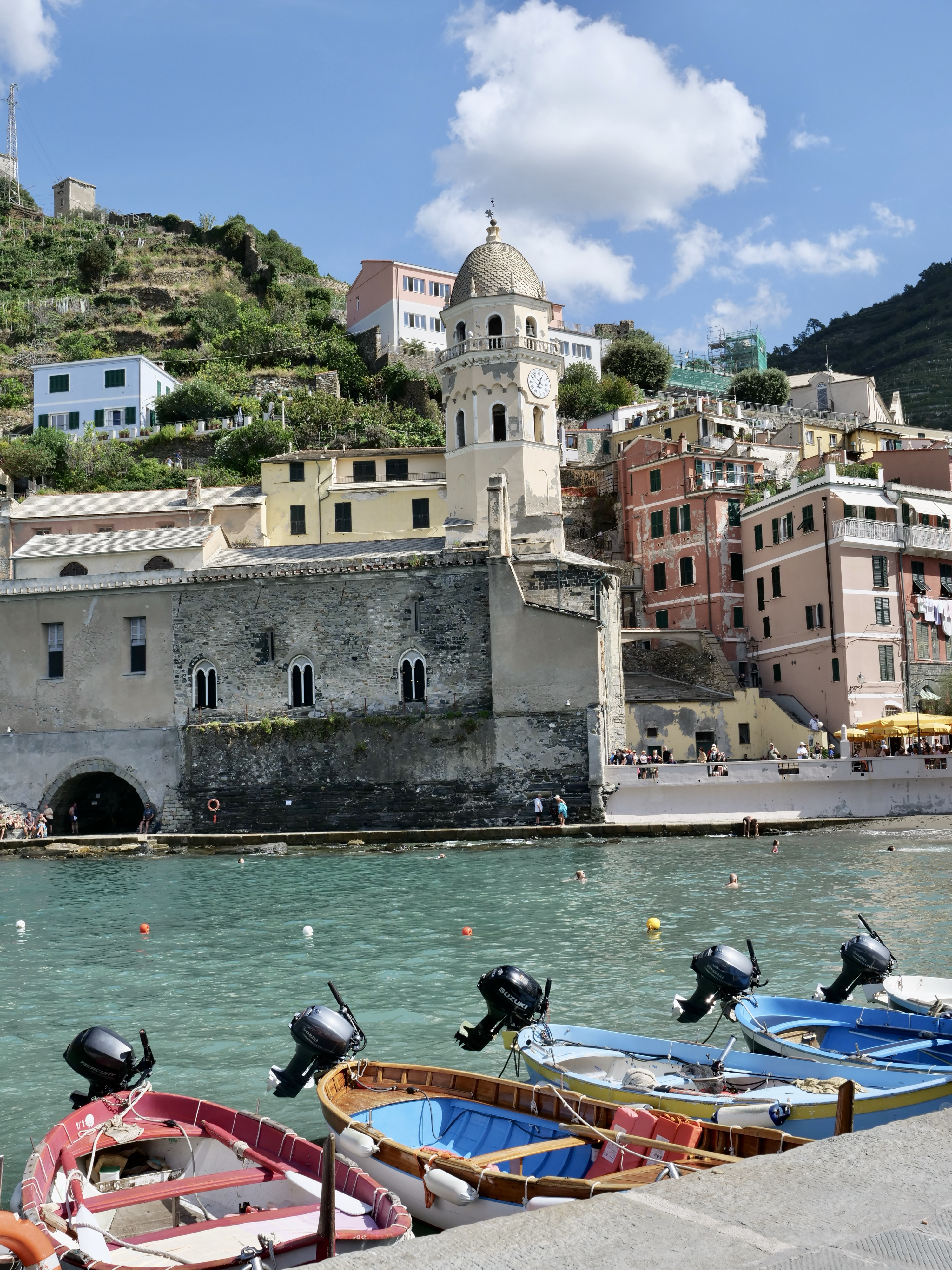
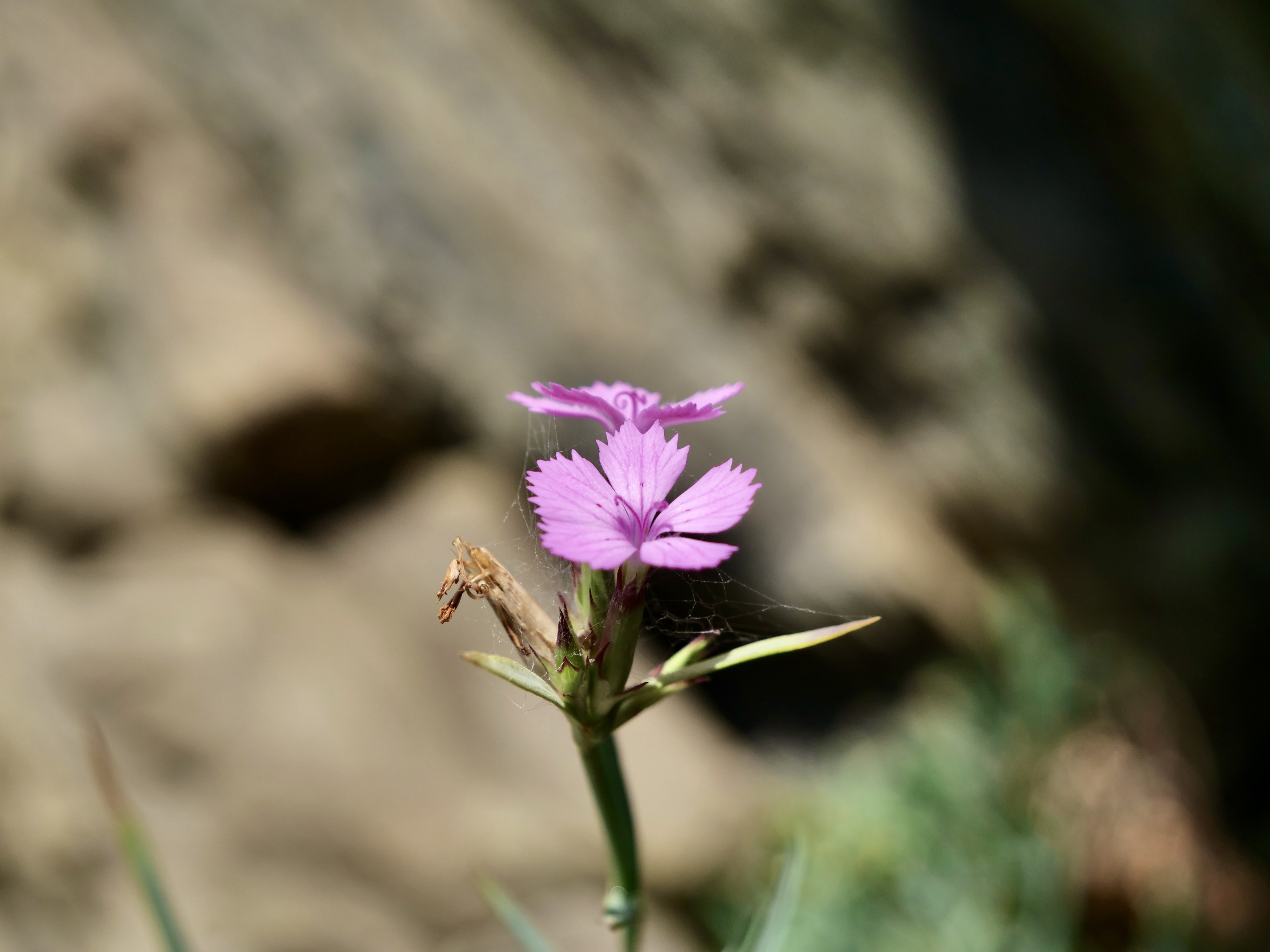
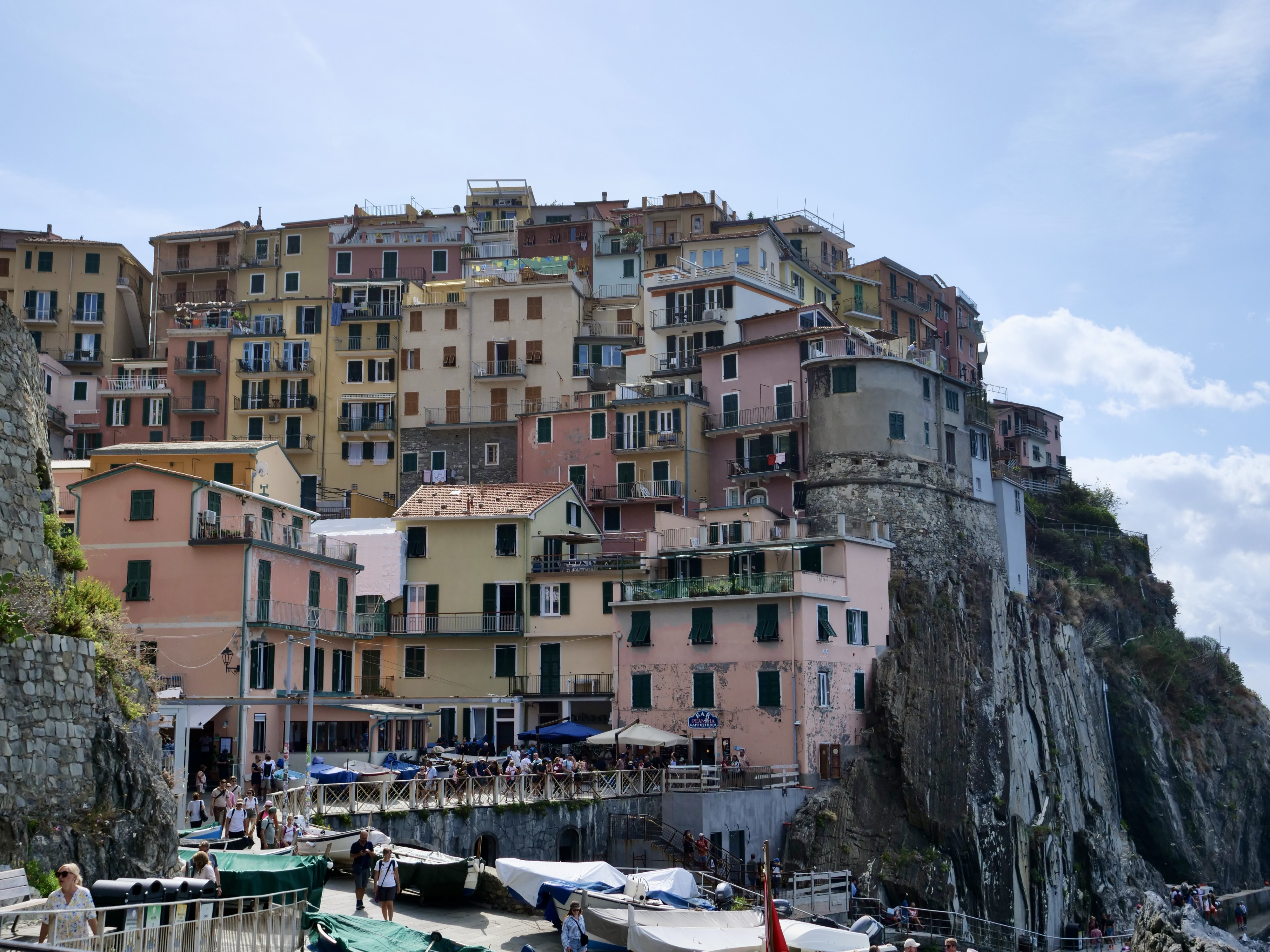
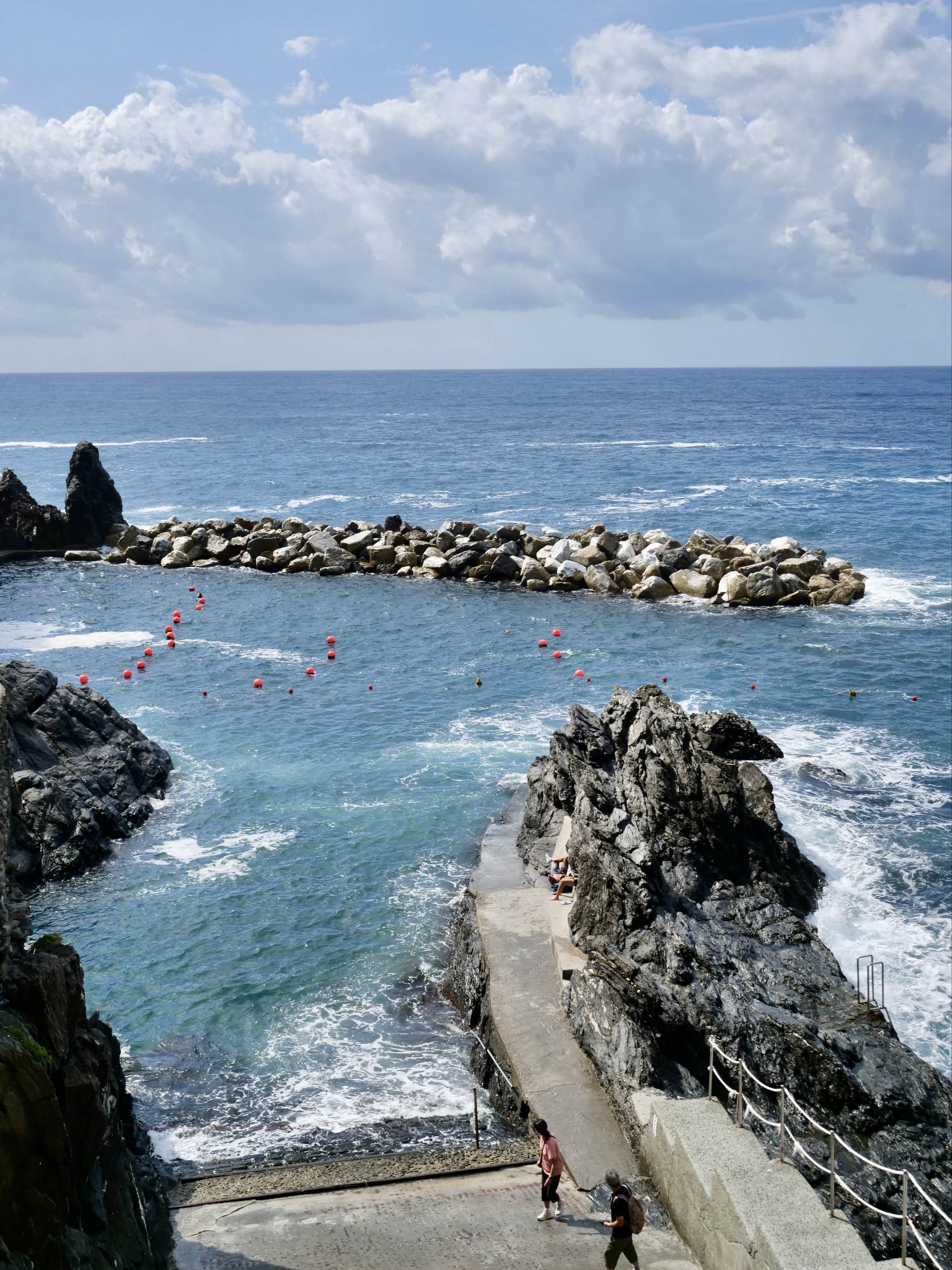
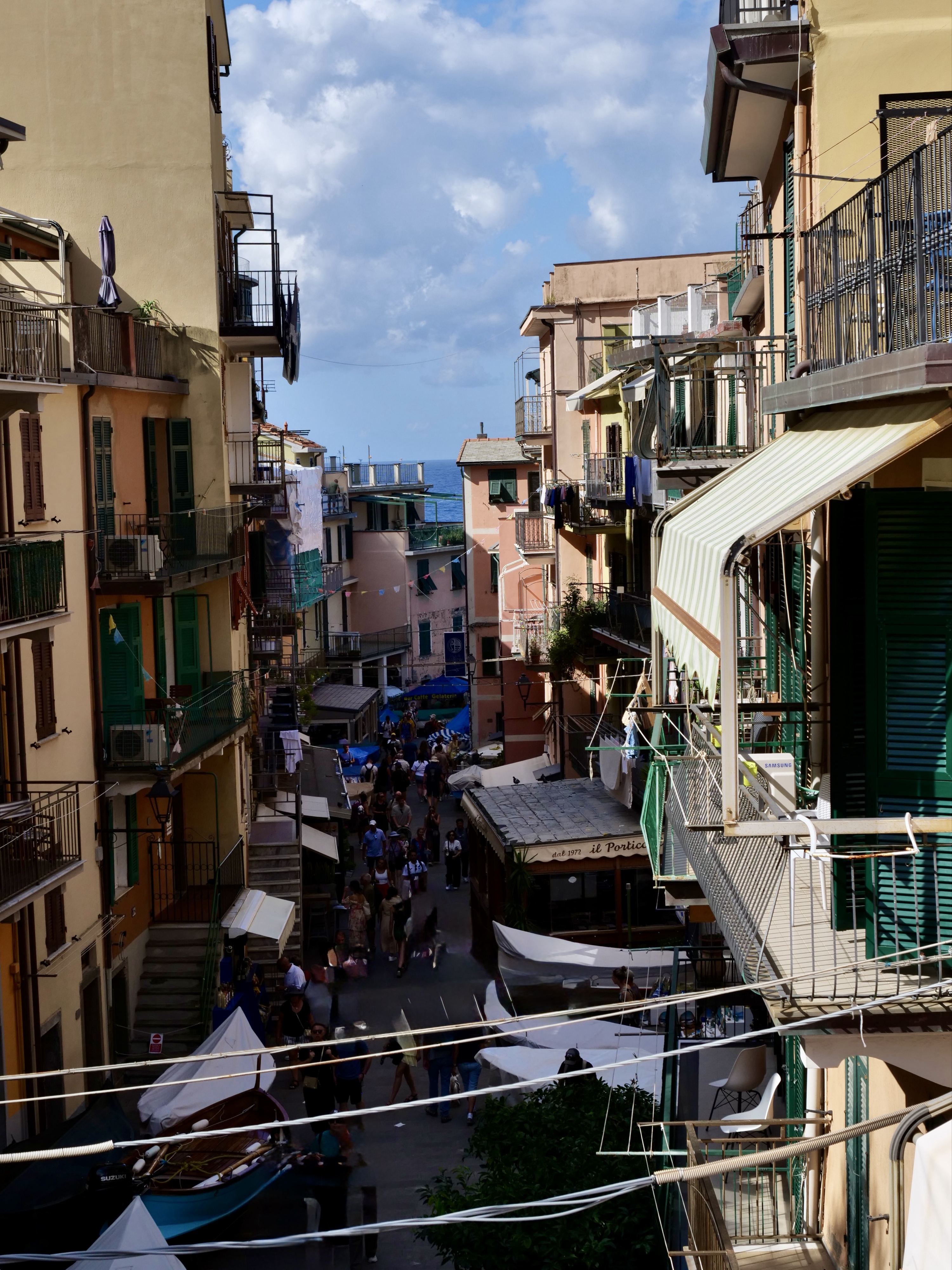
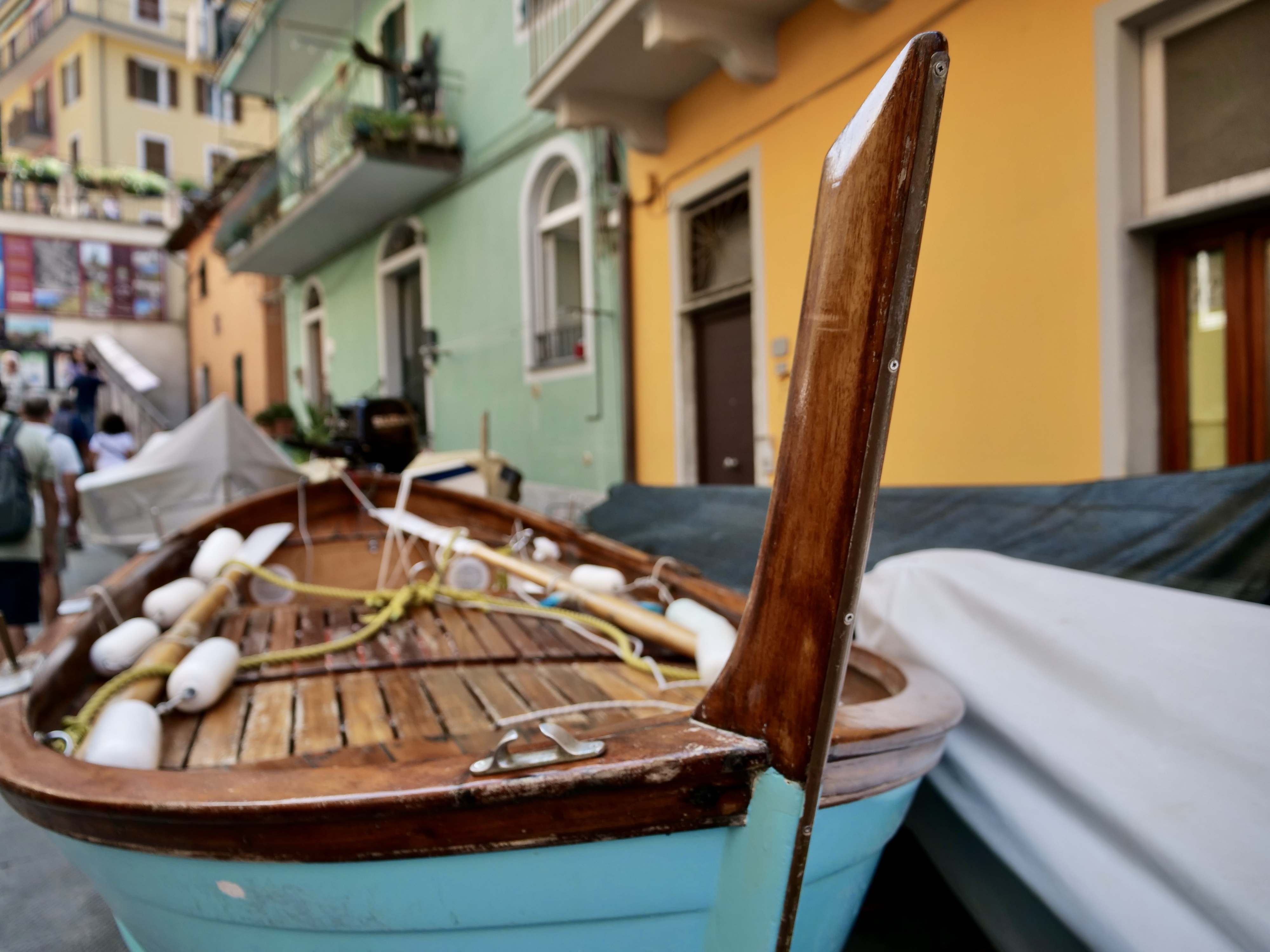
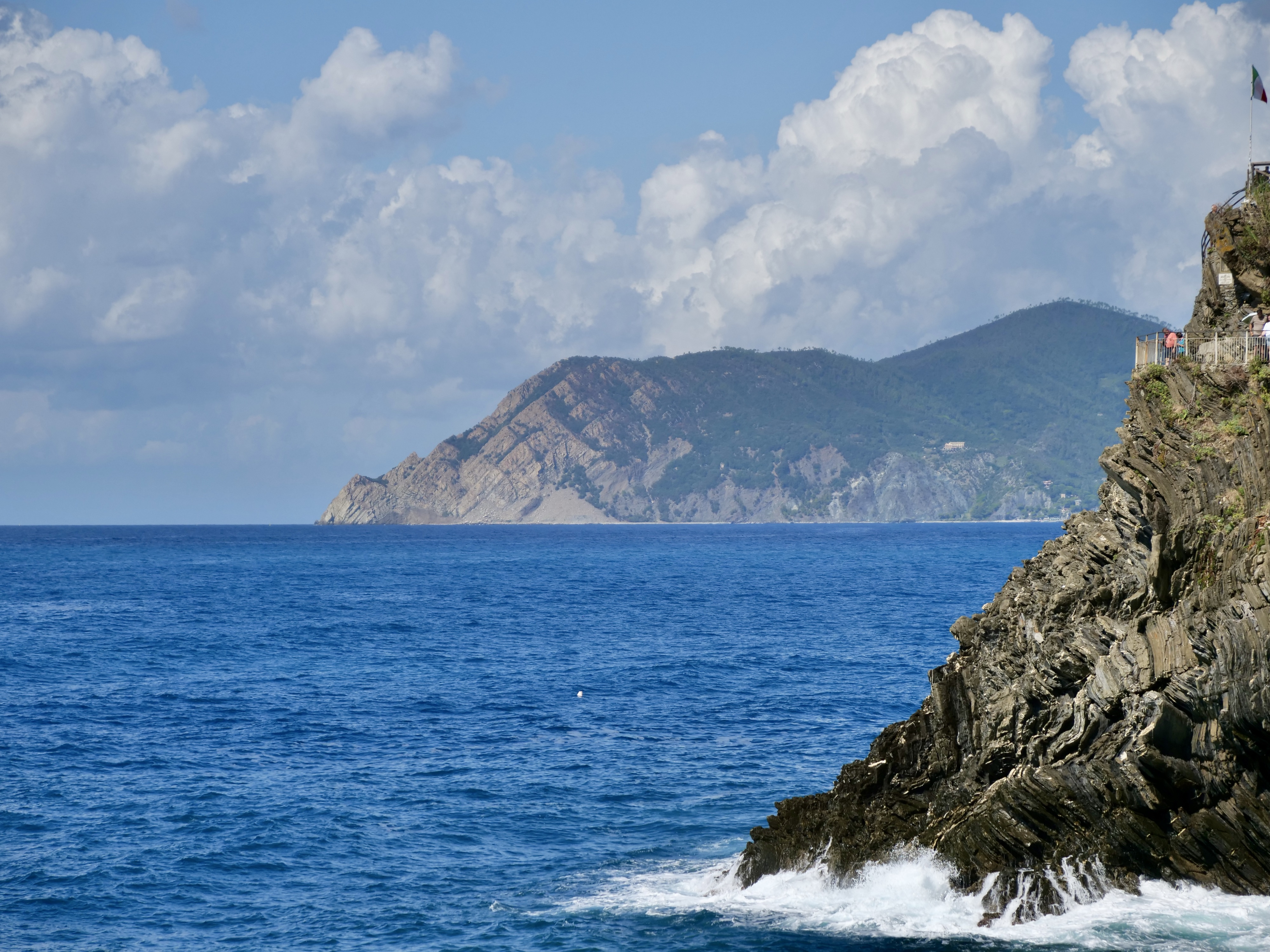
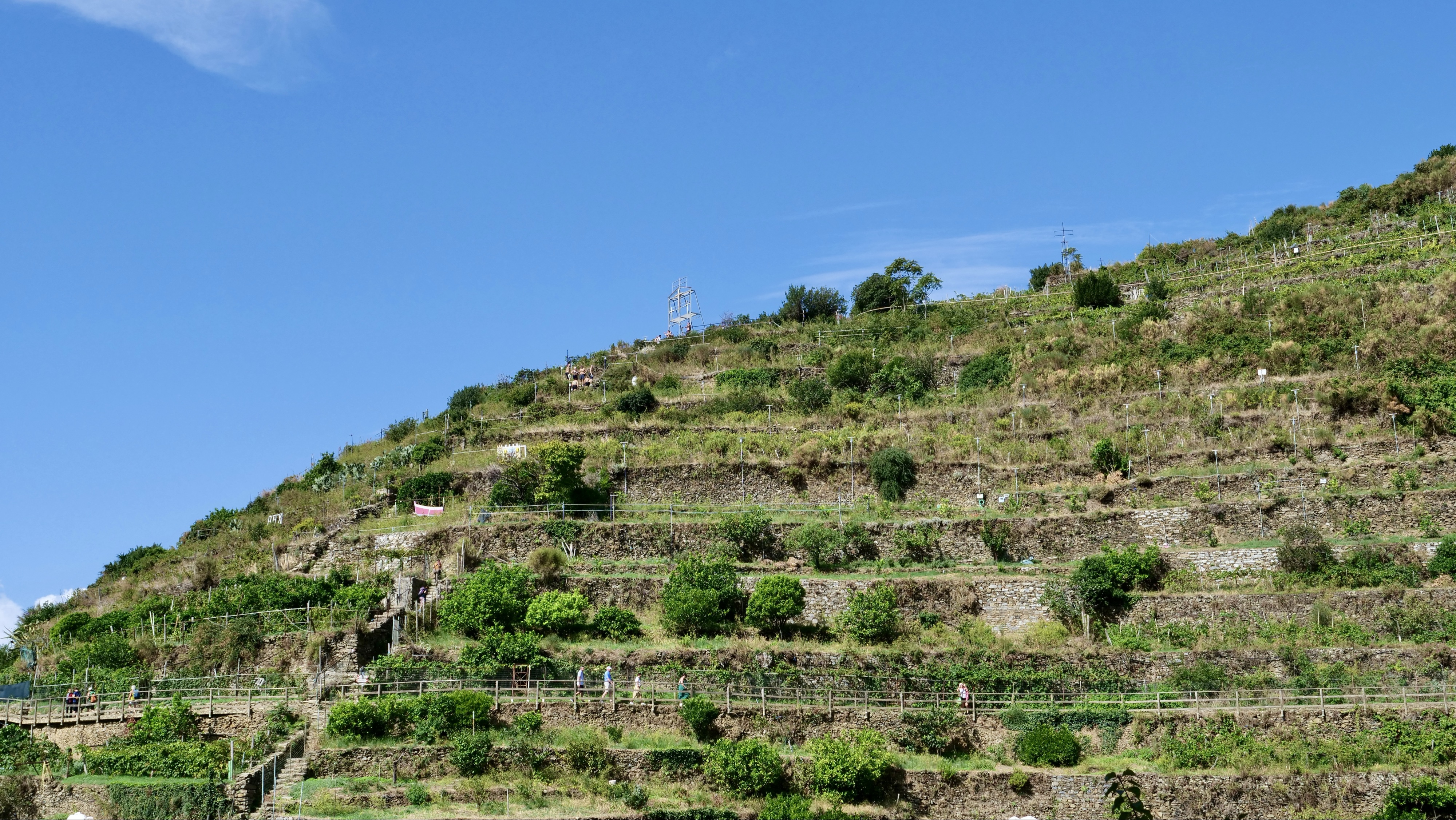
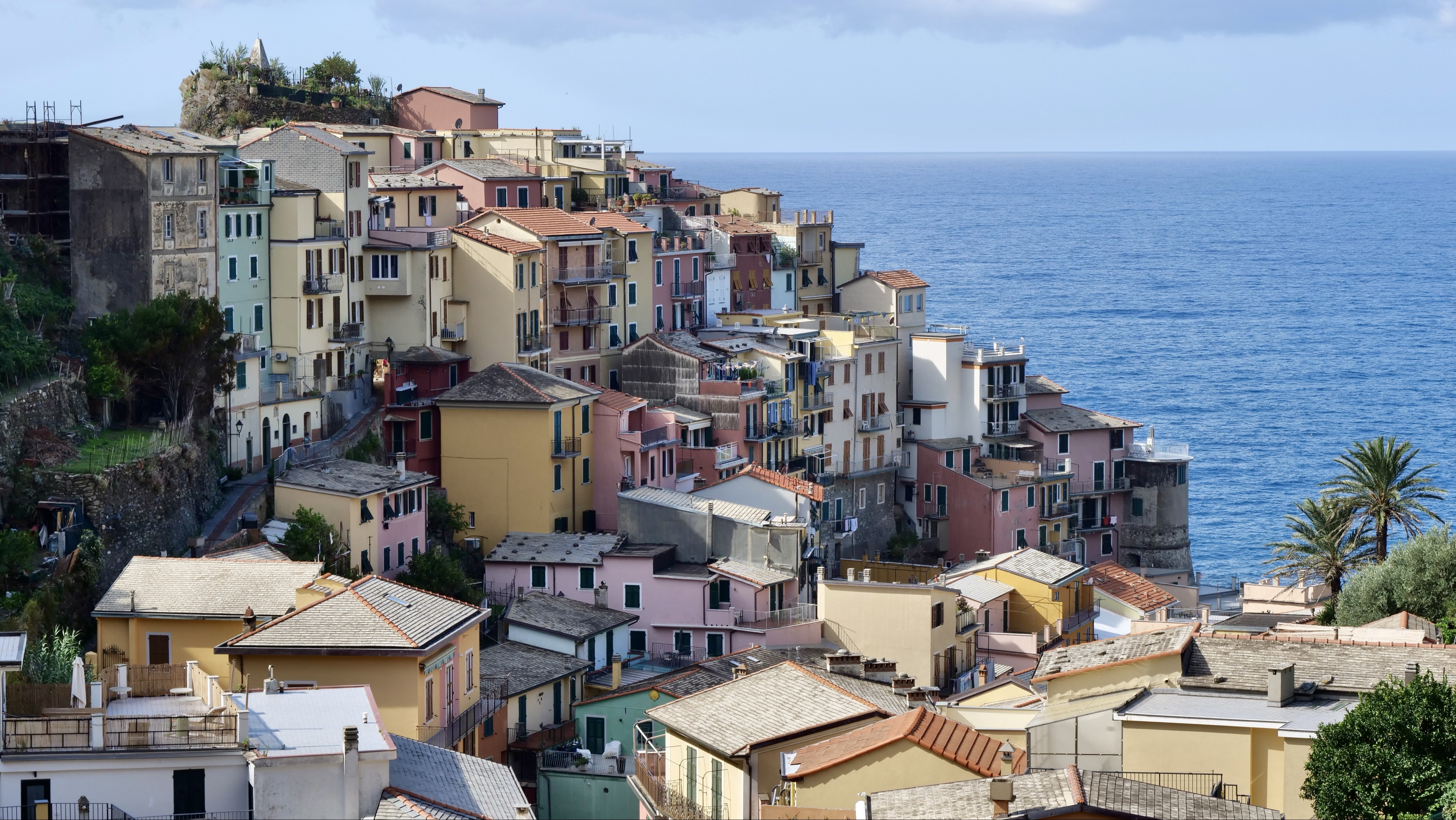
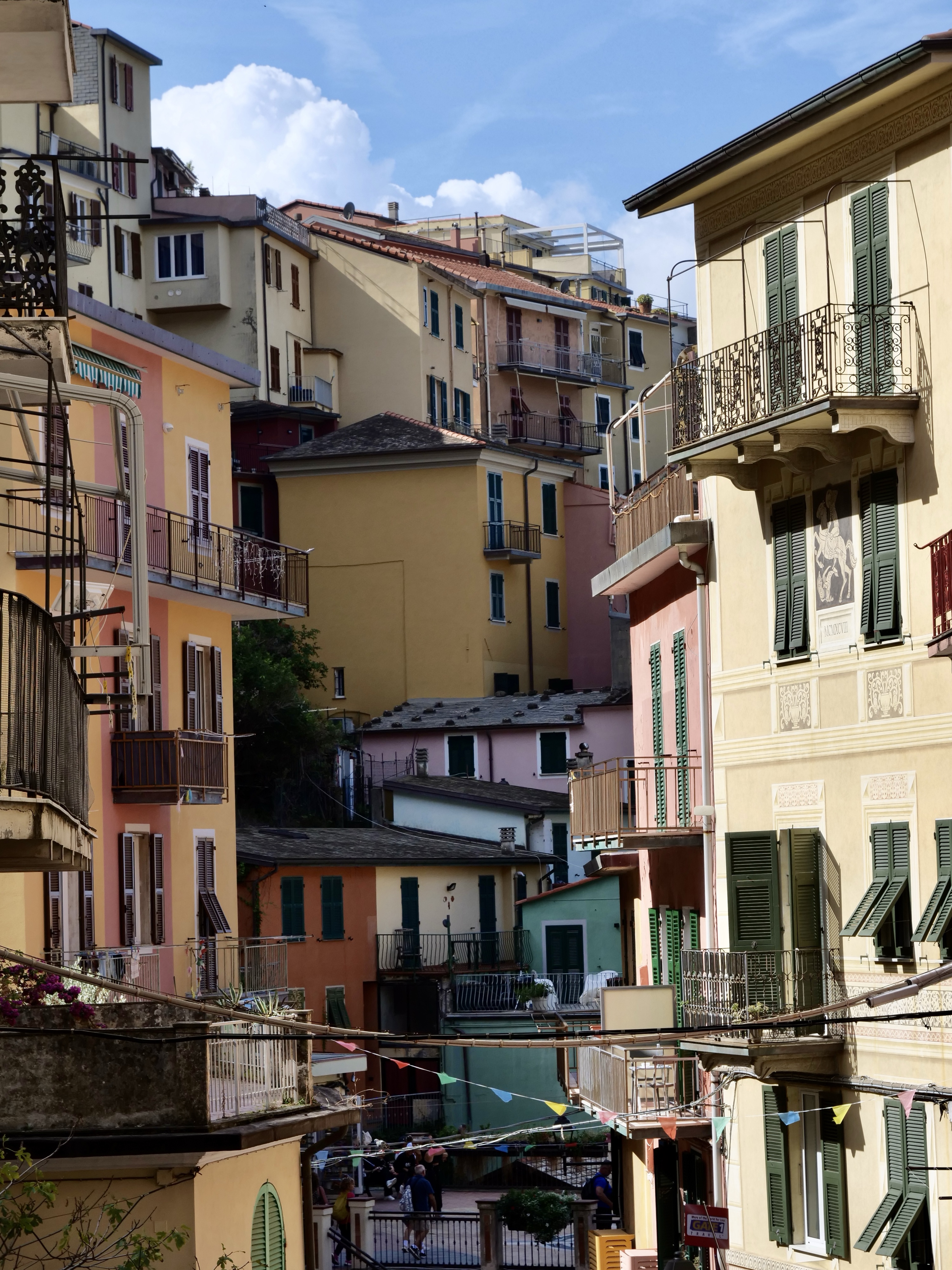
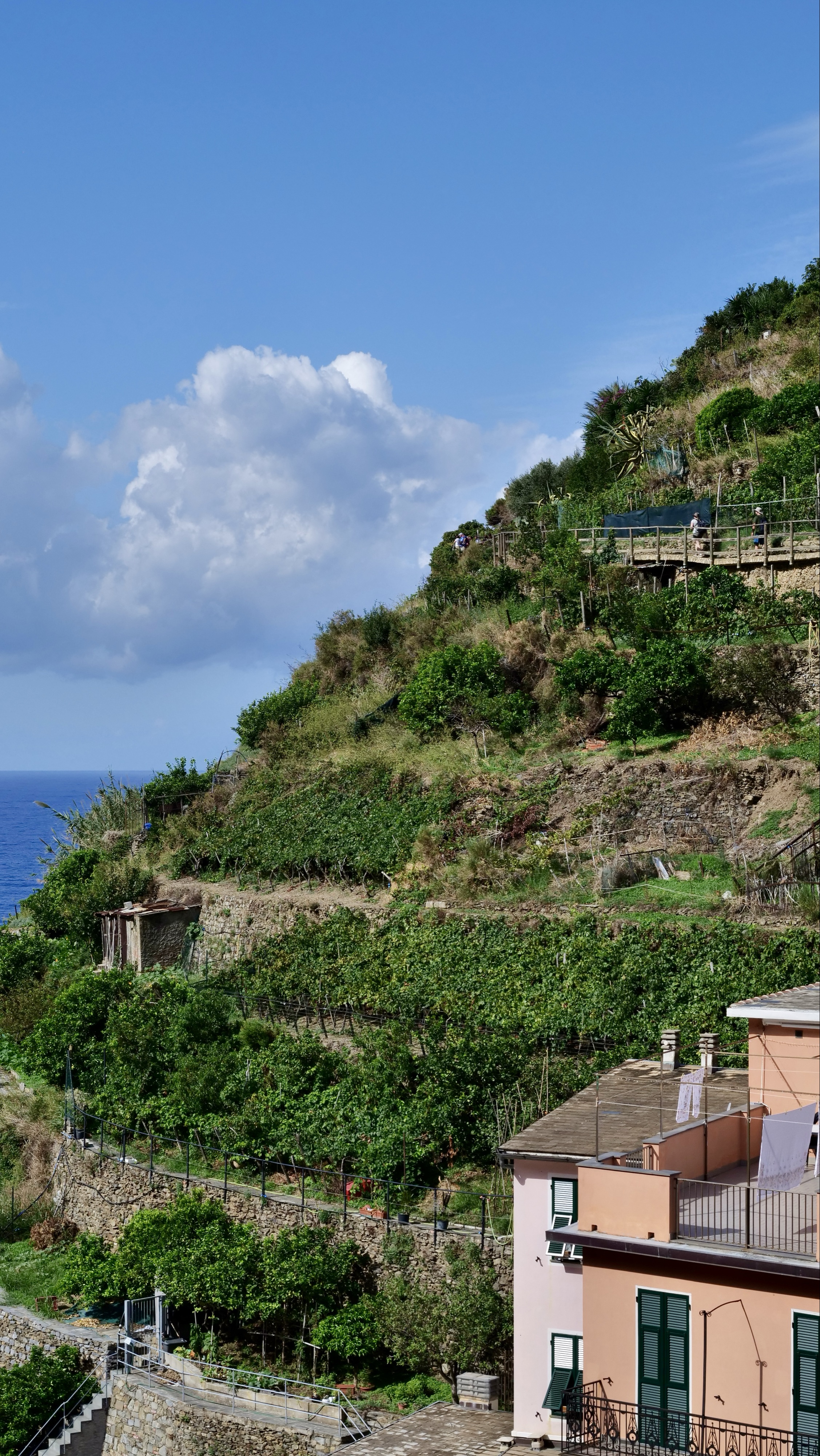
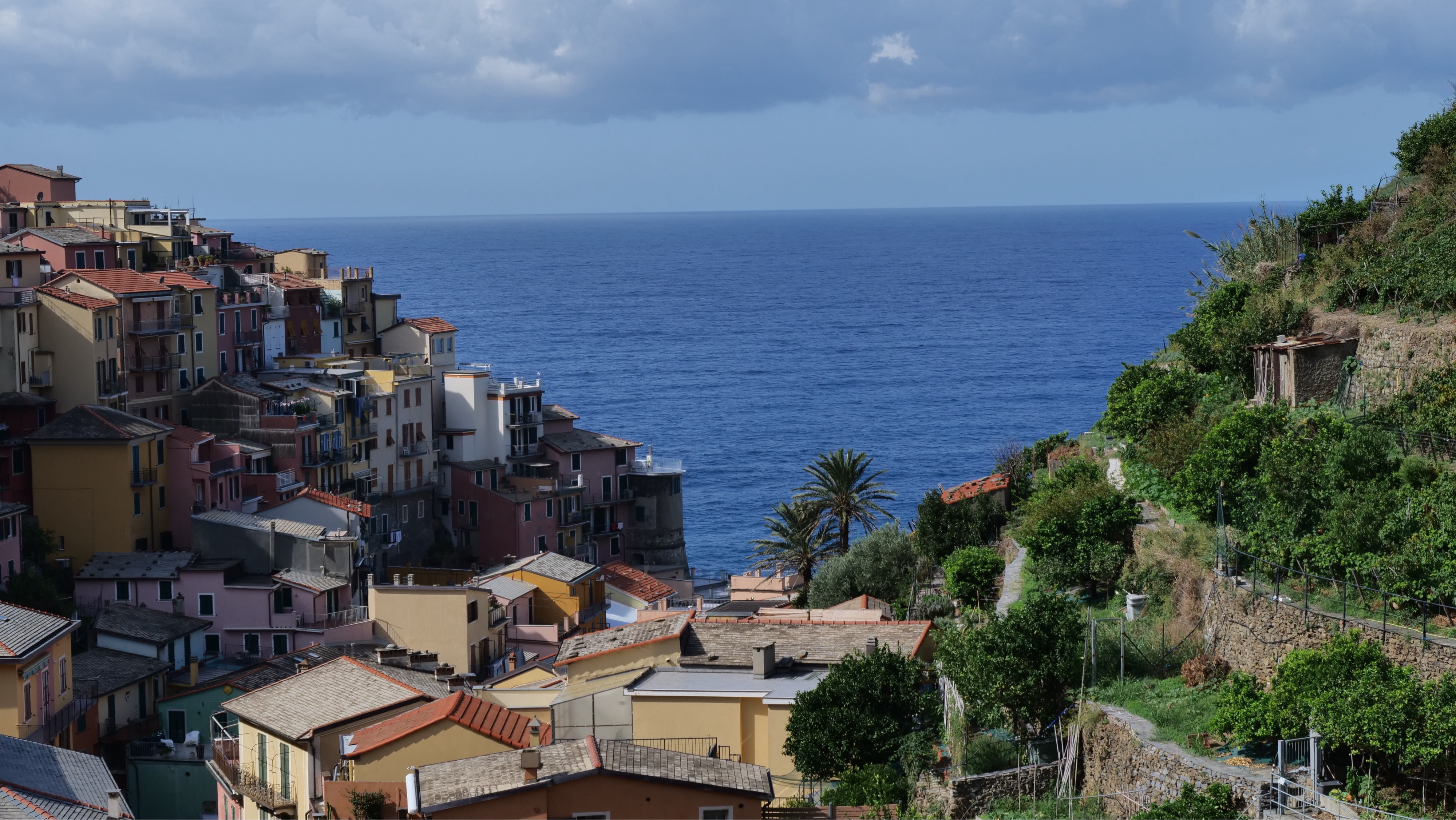
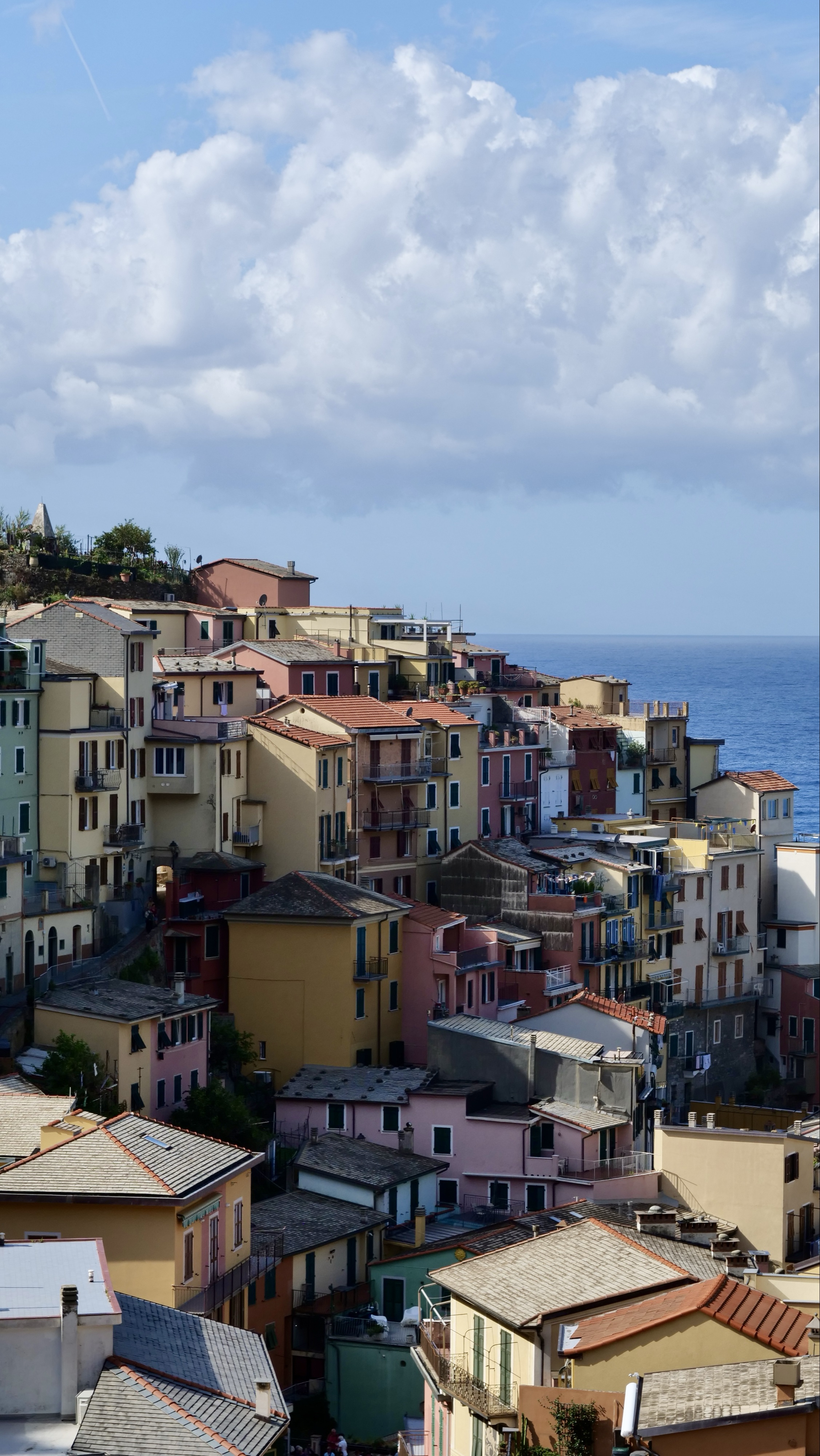
We spend the day at Cinque Terre - the five cliffside villages of the Ligurian coast that make up a UNESCO World Heritage national park. Its listing is technically a "cultural landscape," which is UNESCO's way of saying the villages themselves aren't the whole point - it's the thousand-plus years of terraced vineyards carved into near-vertical cliffs that matters, an entire agricultural system engineered by hand onto terrain that has no business supporting farmland at all. It's an active day if we go: uneven ground, stairs, real slopes, moving between towns by train.
Lucca
September 16, 2026
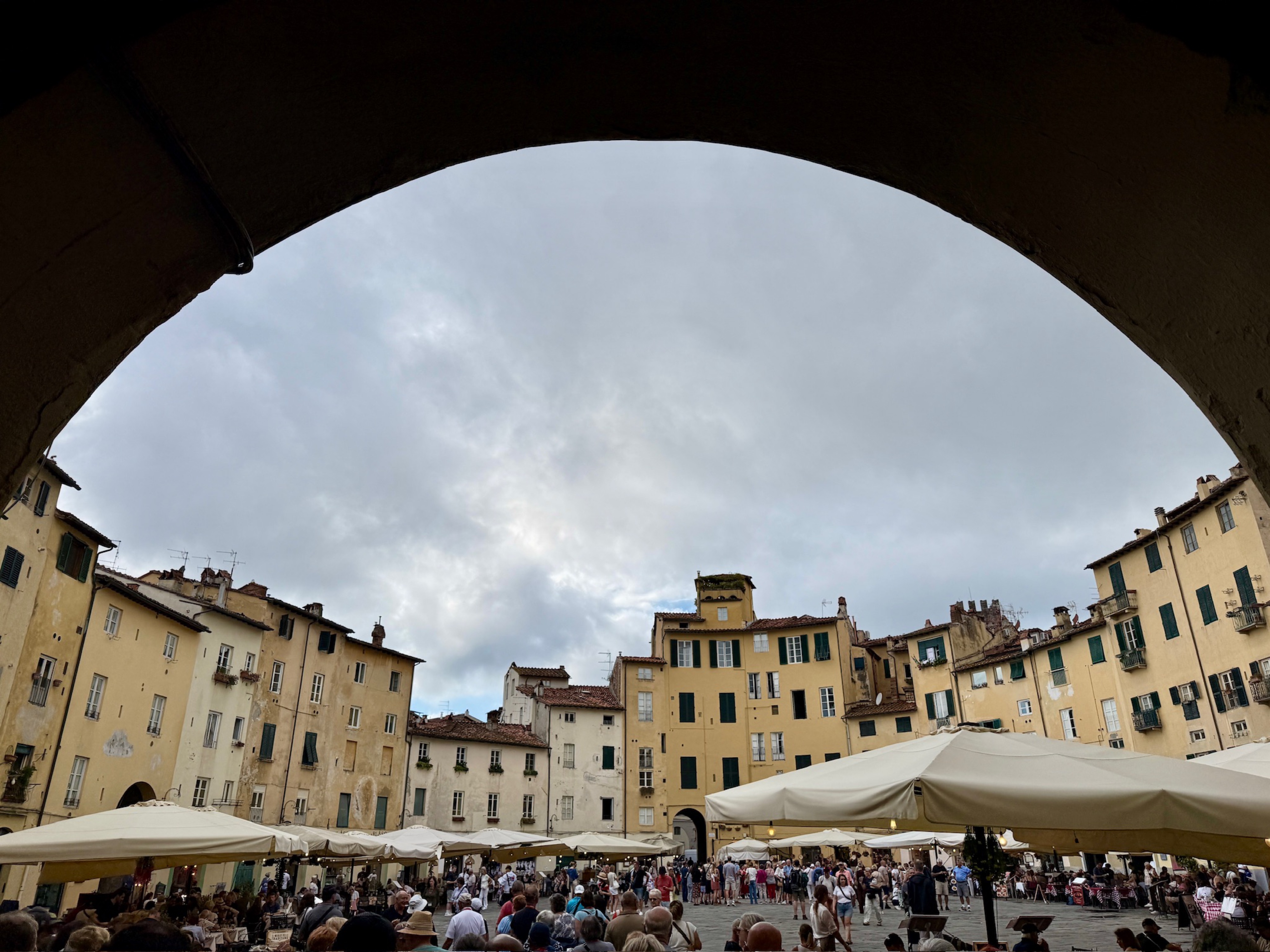
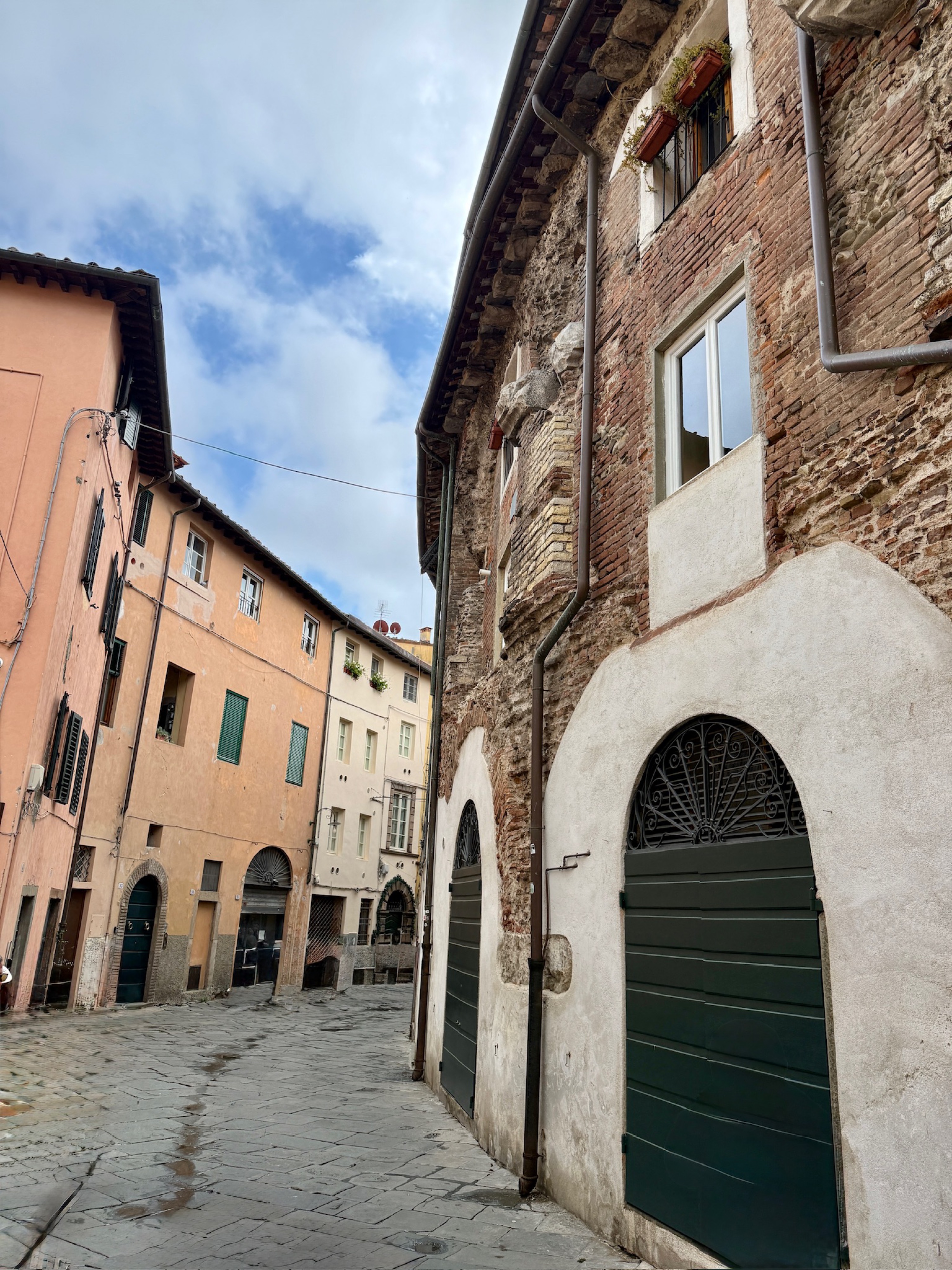
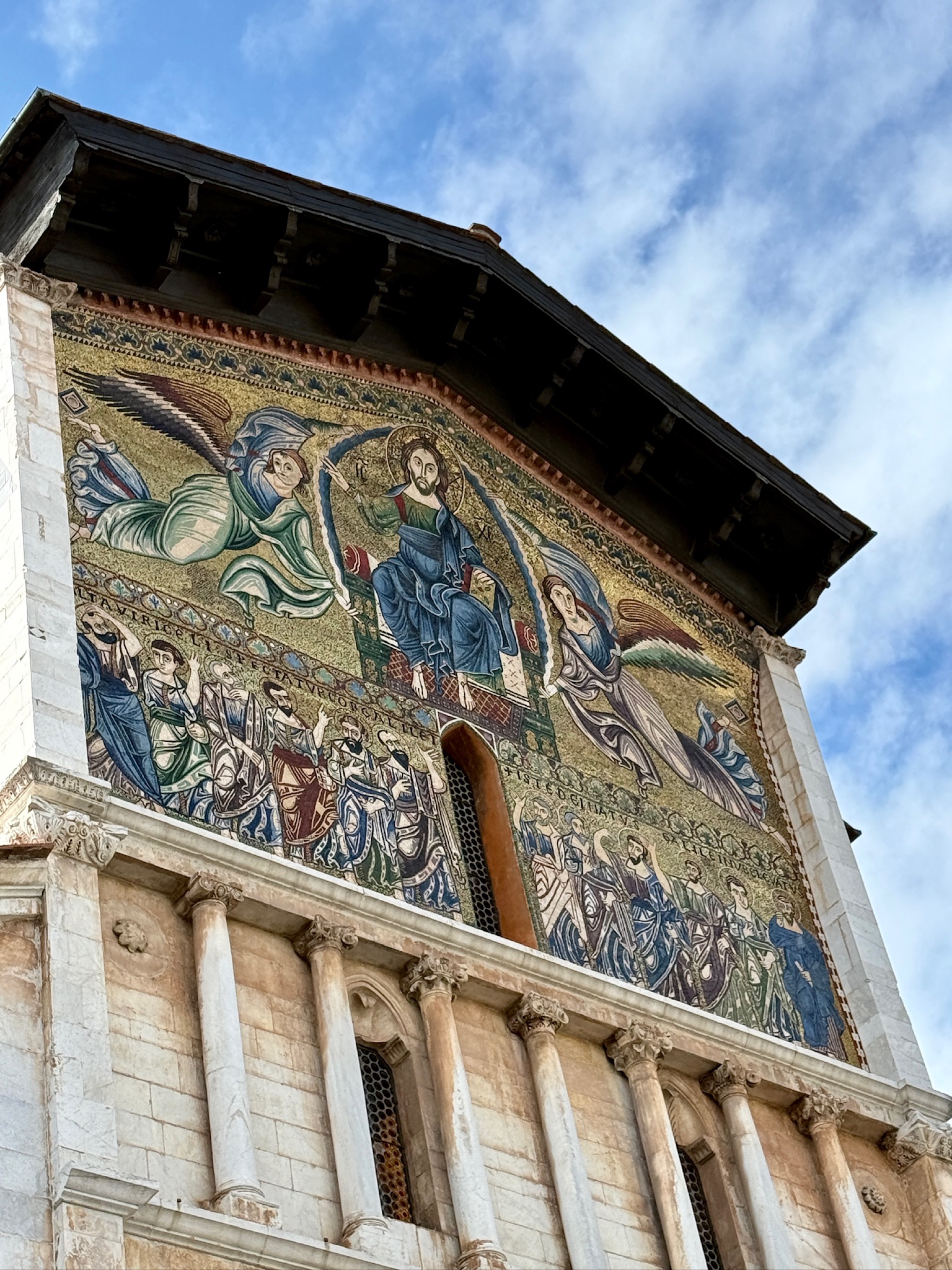
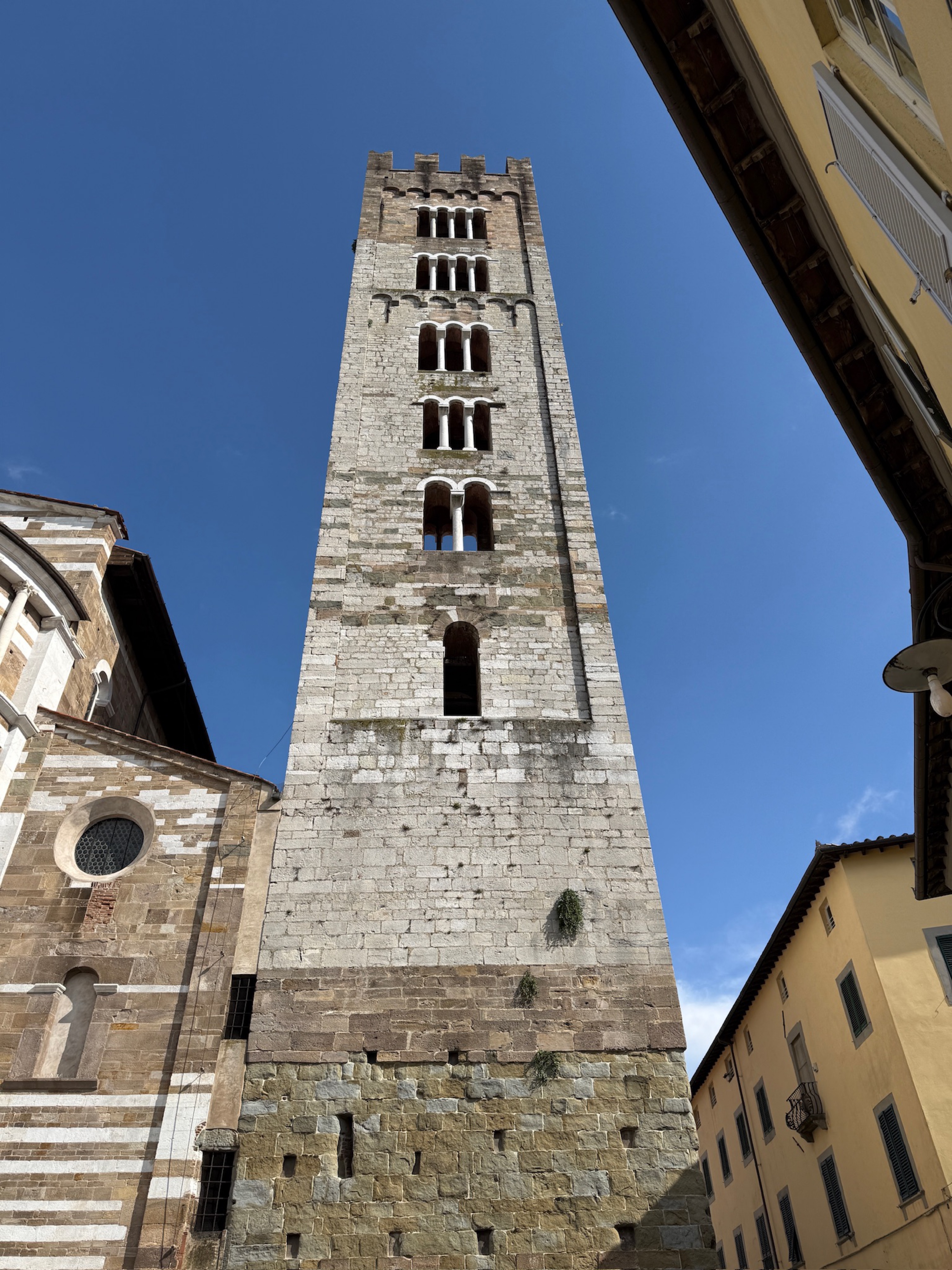
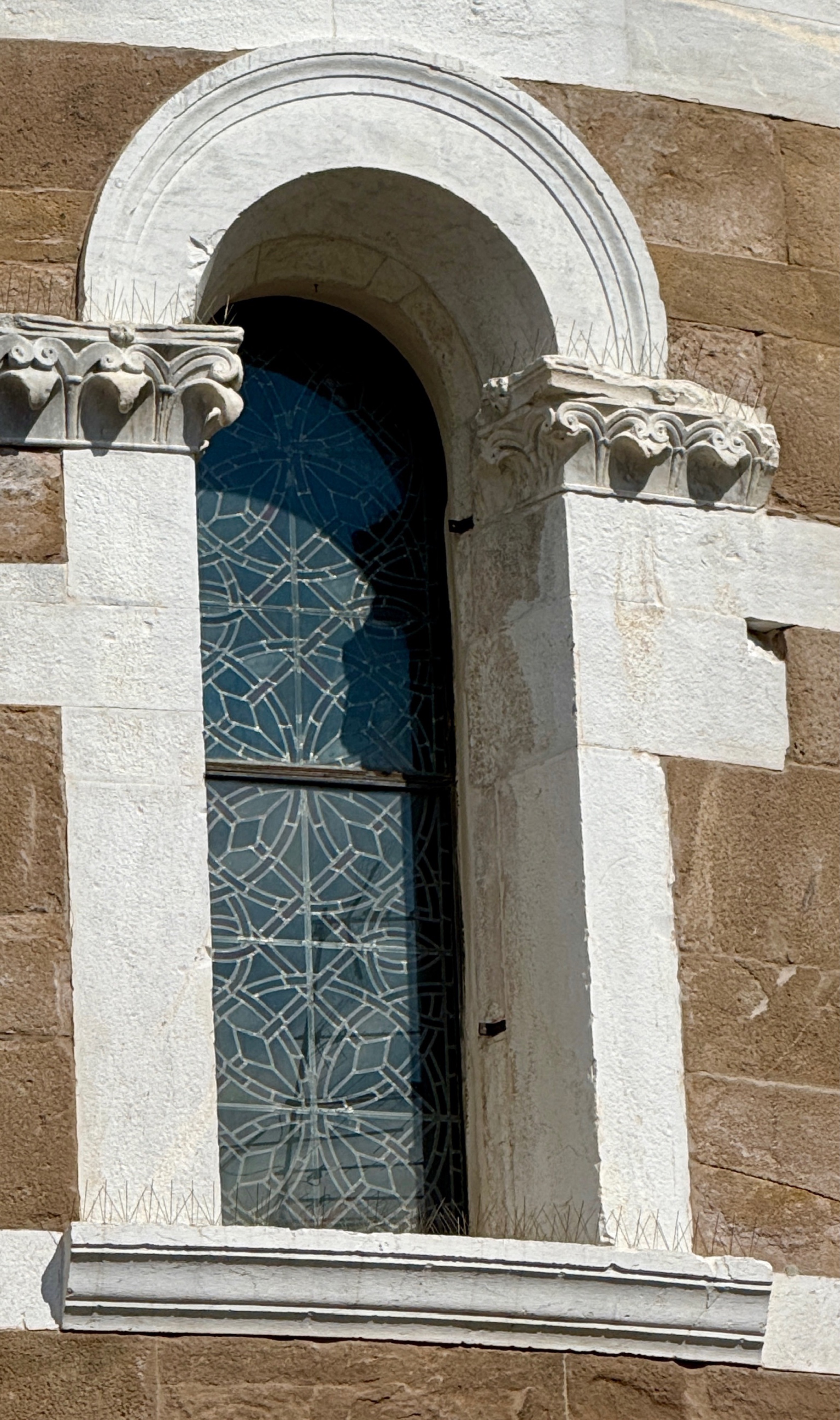
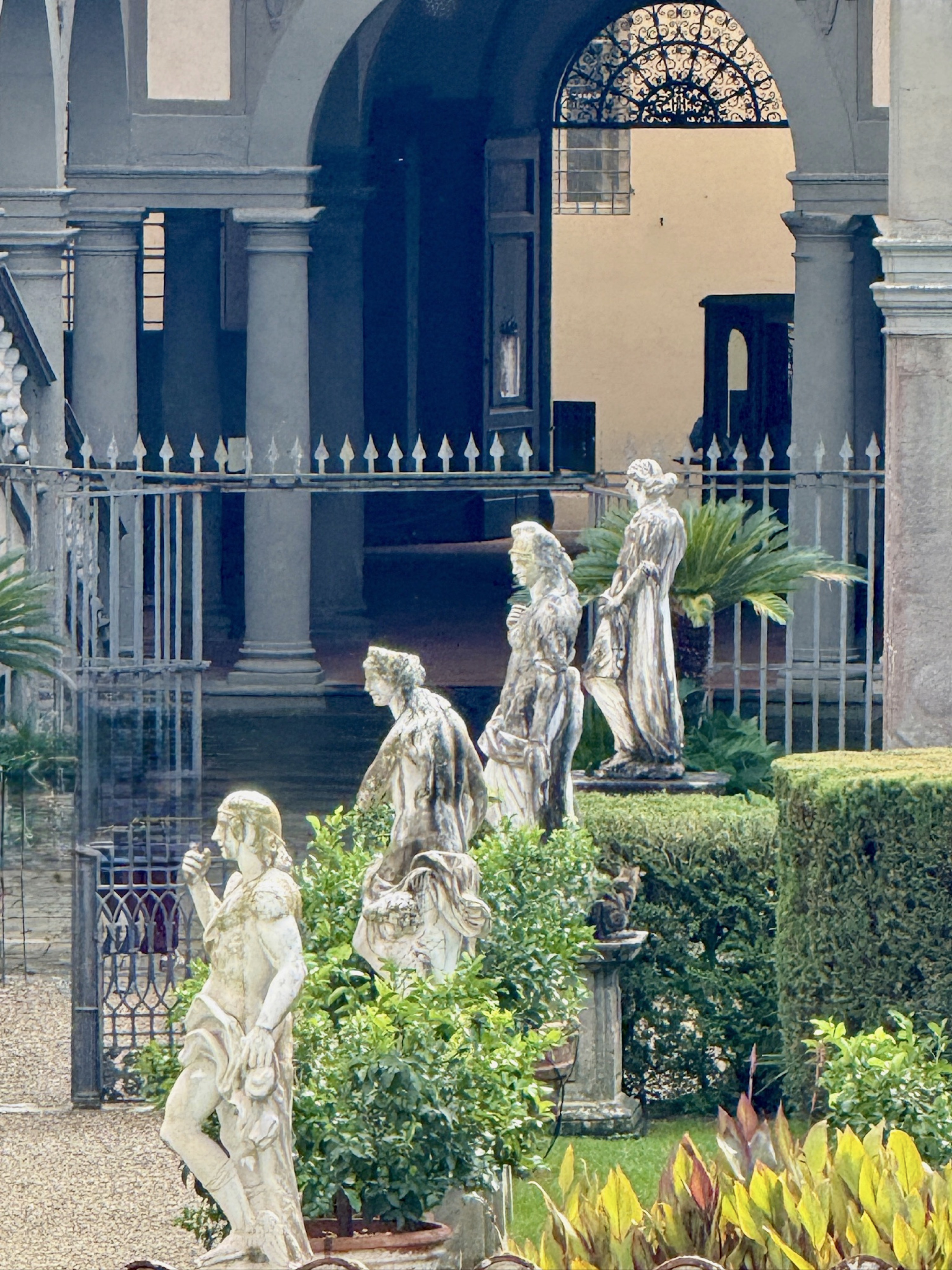
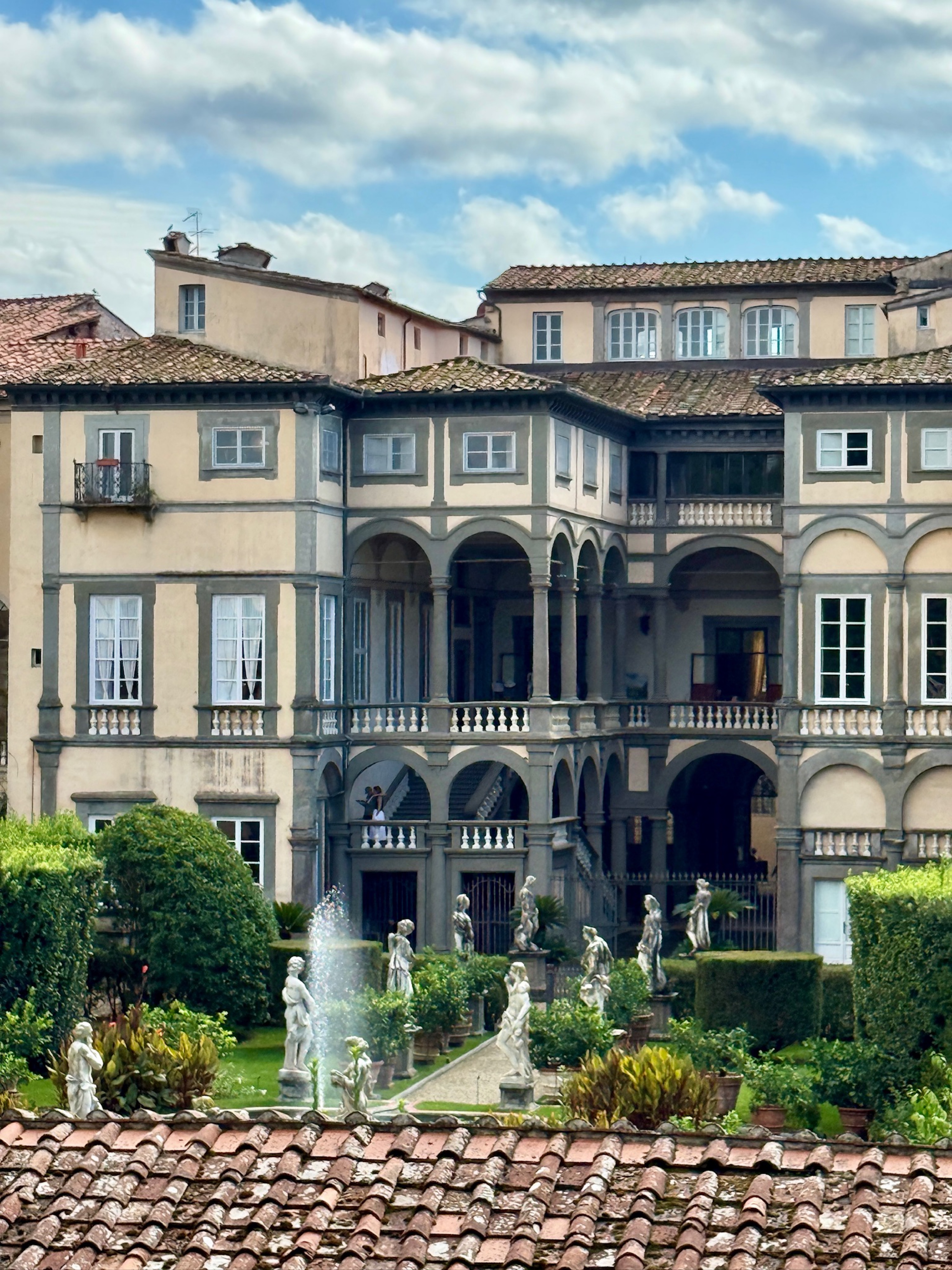
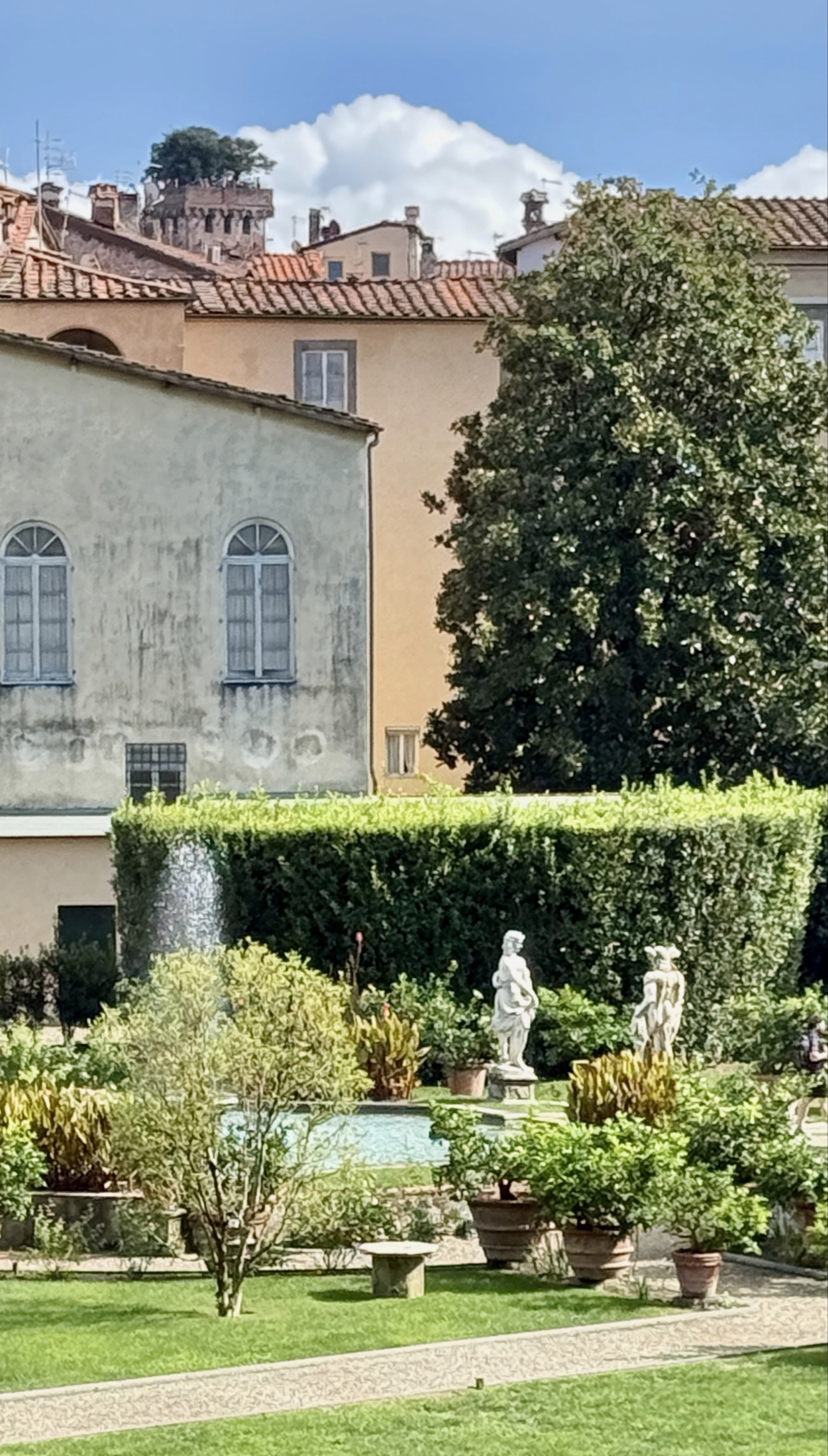
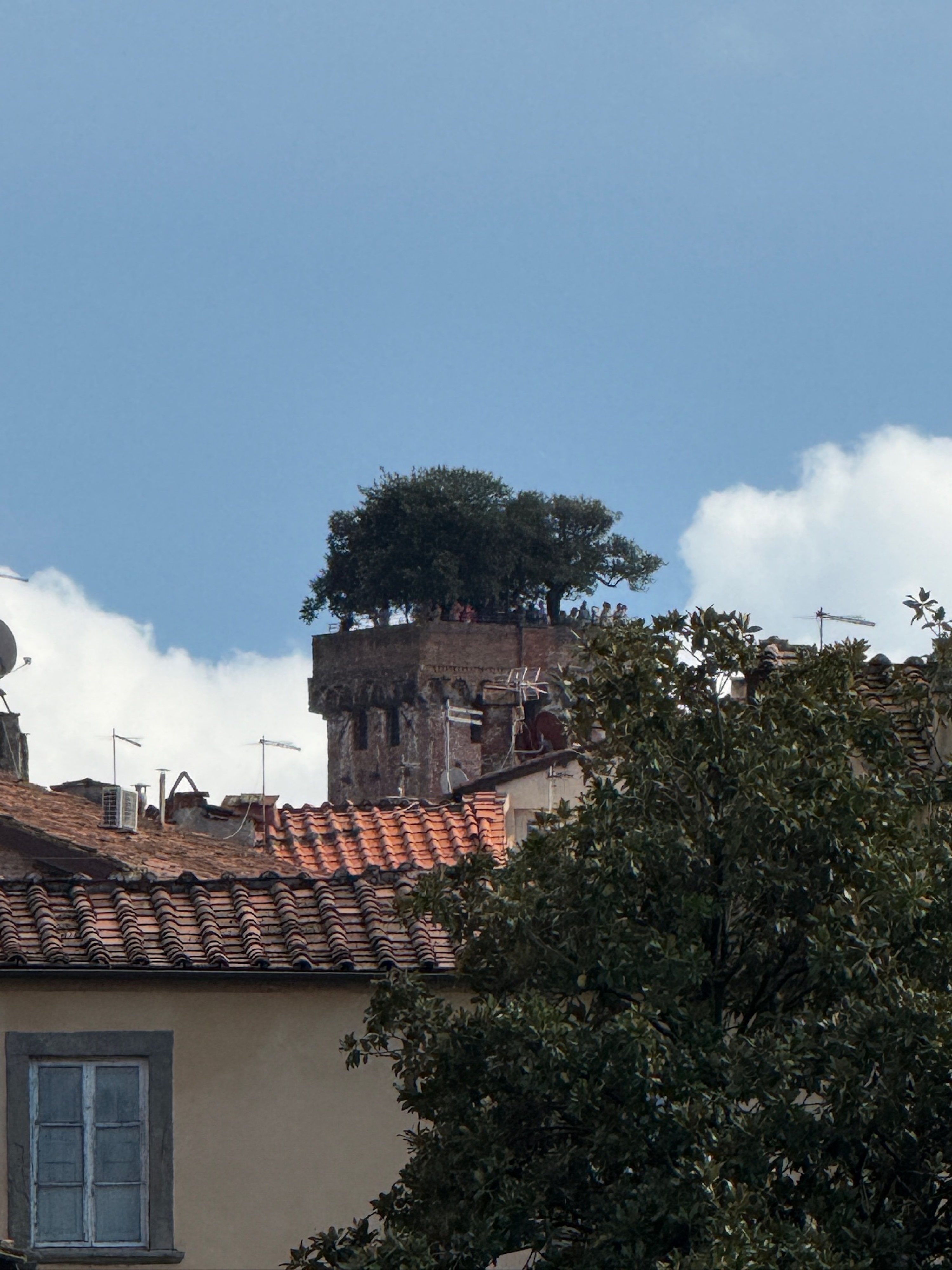
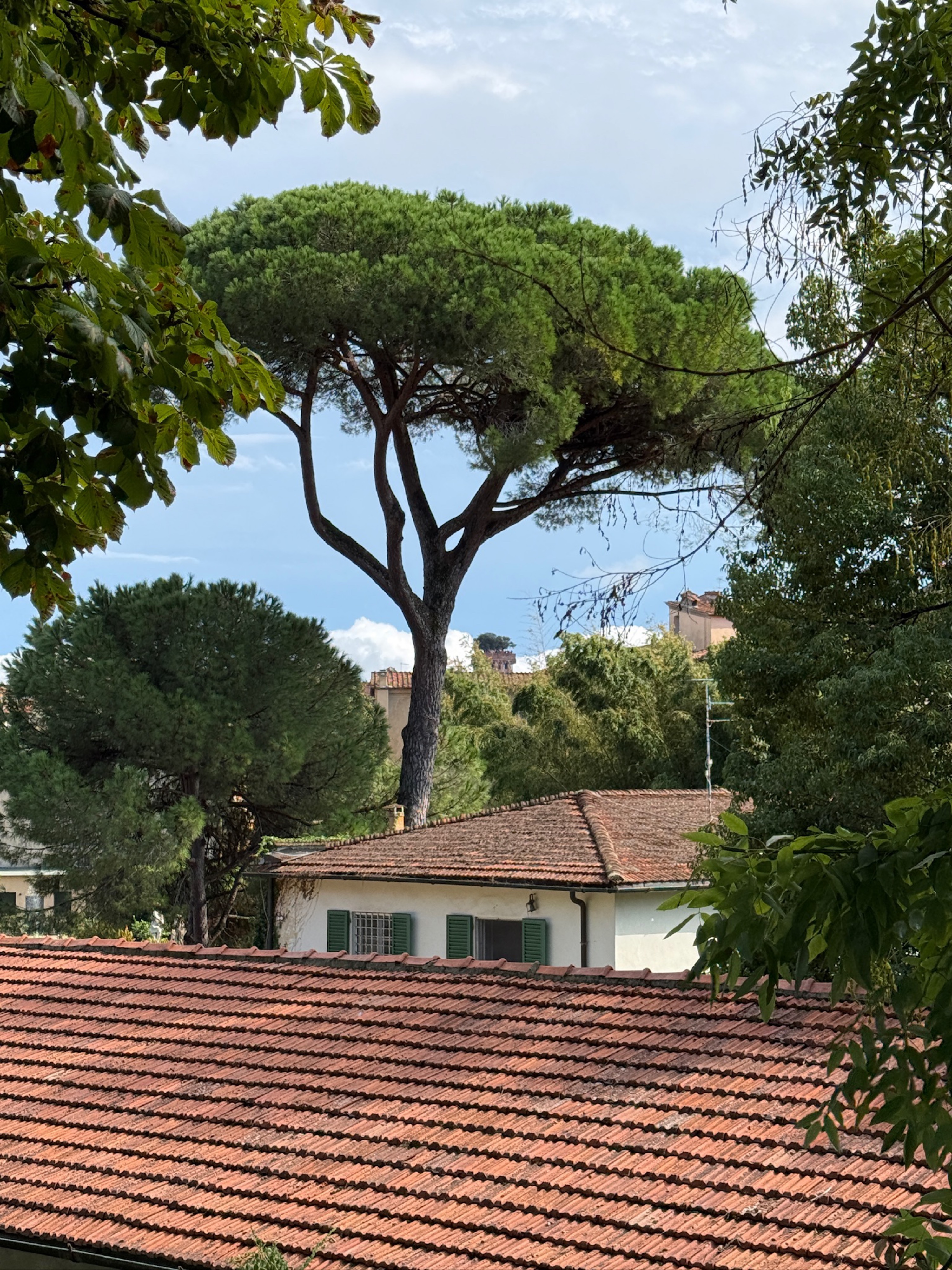
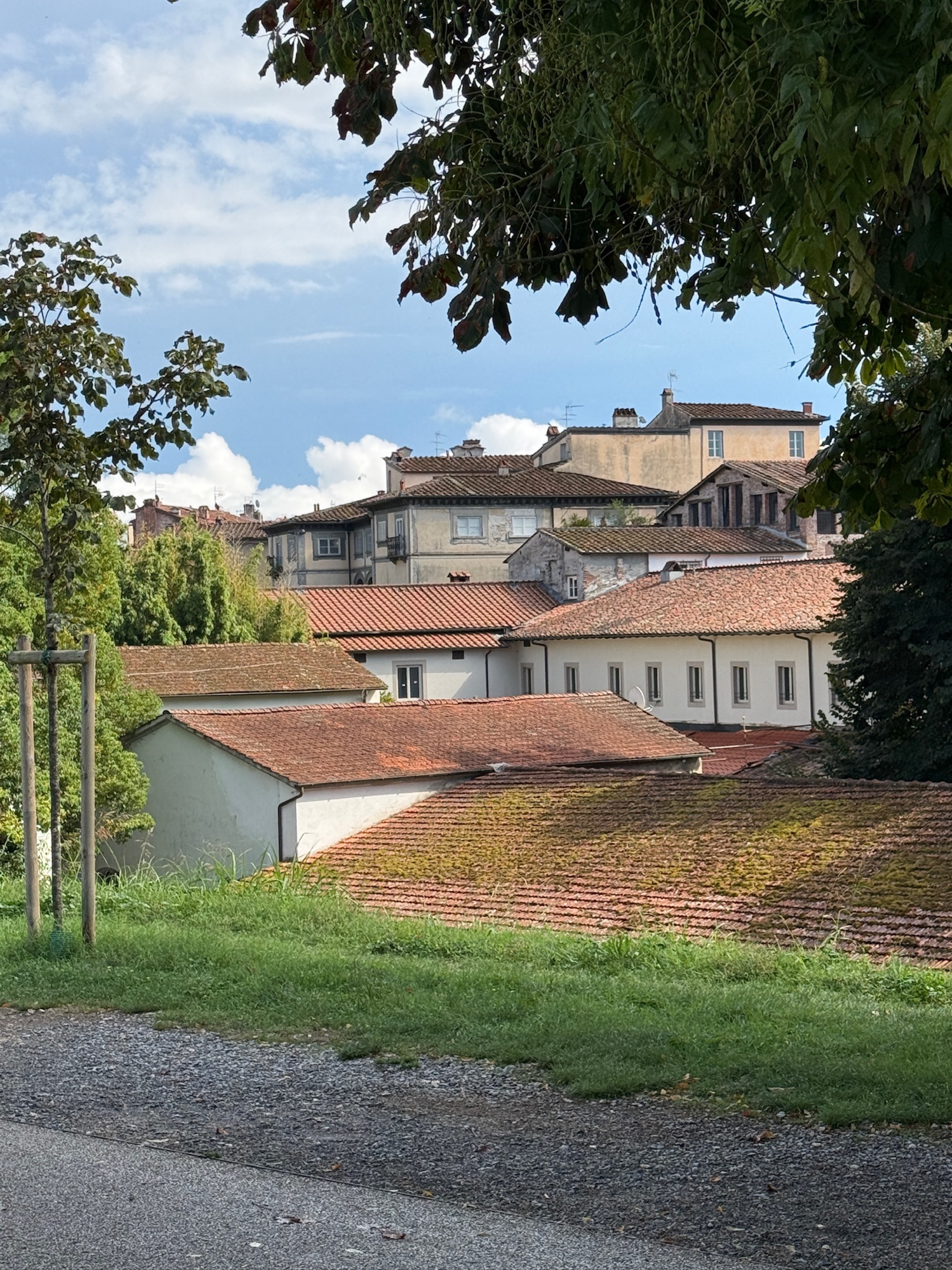
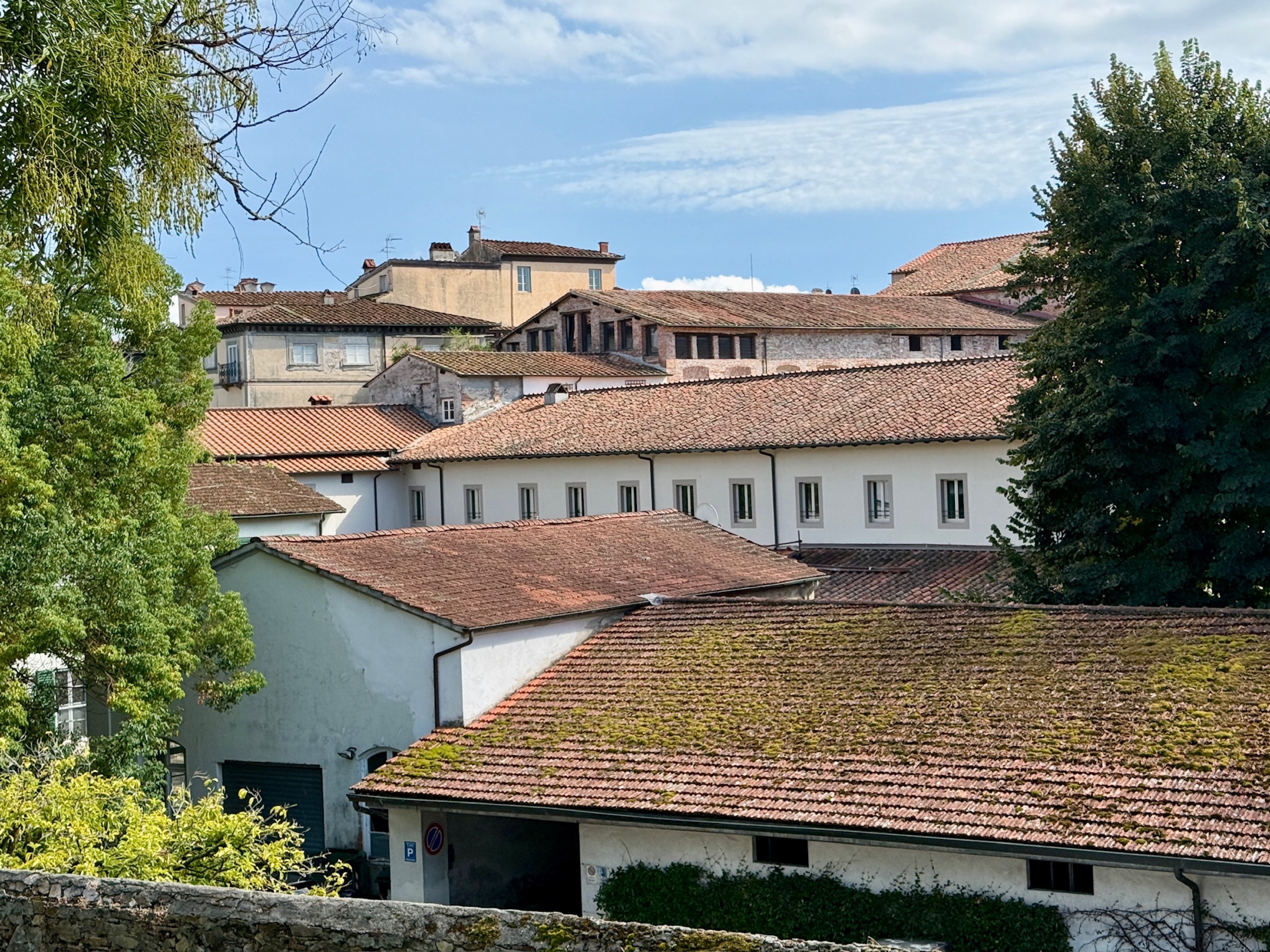
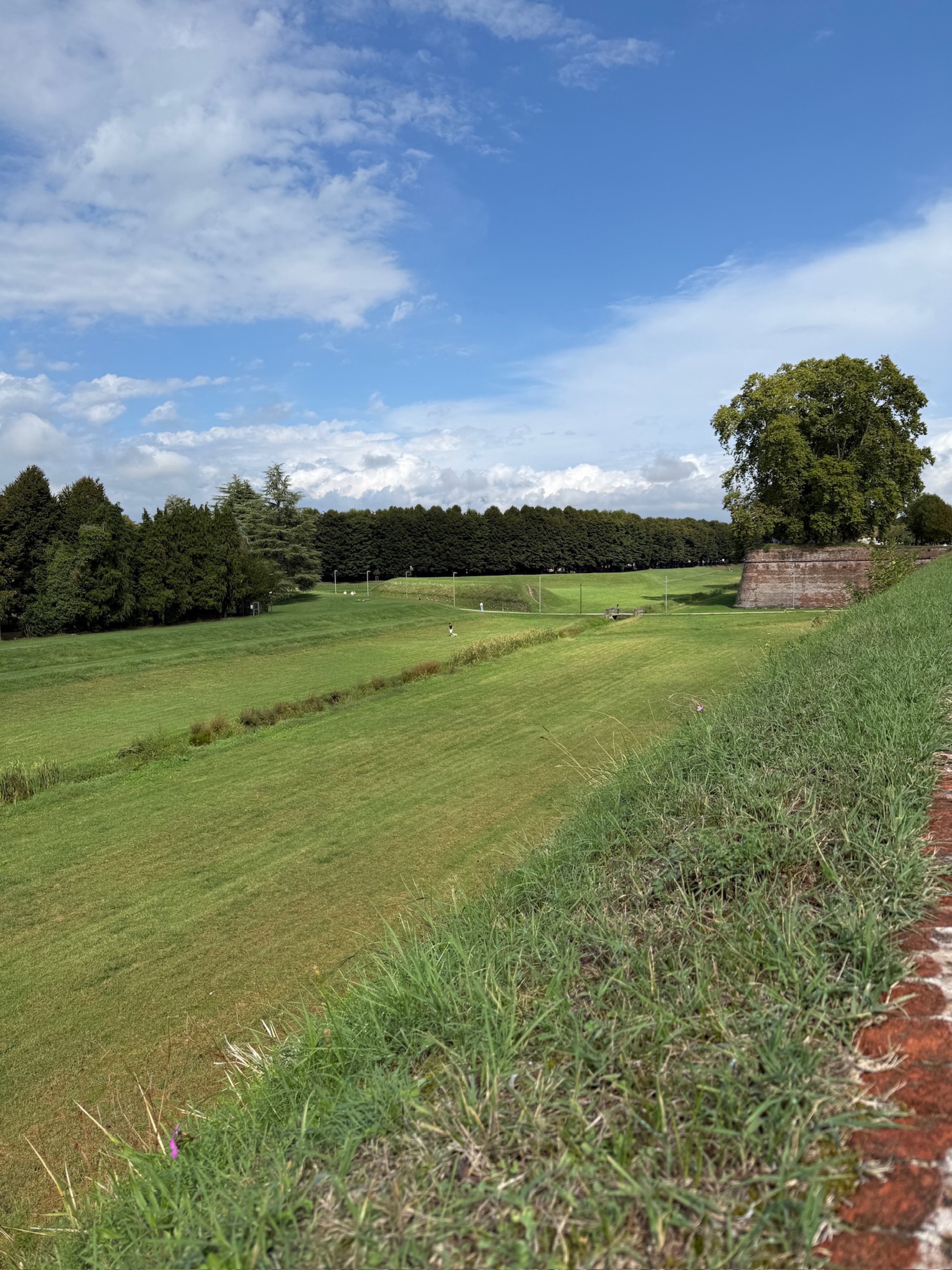
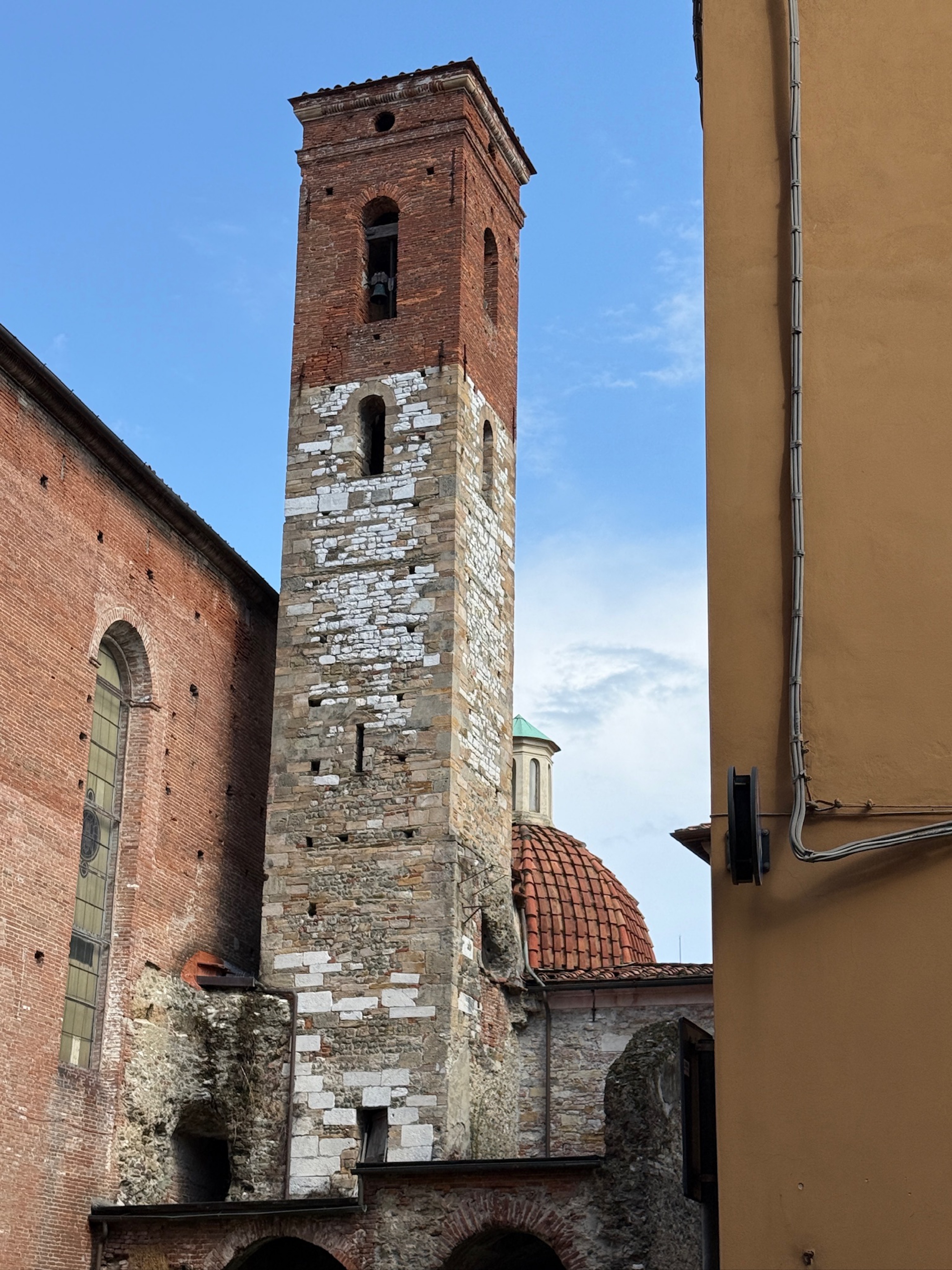
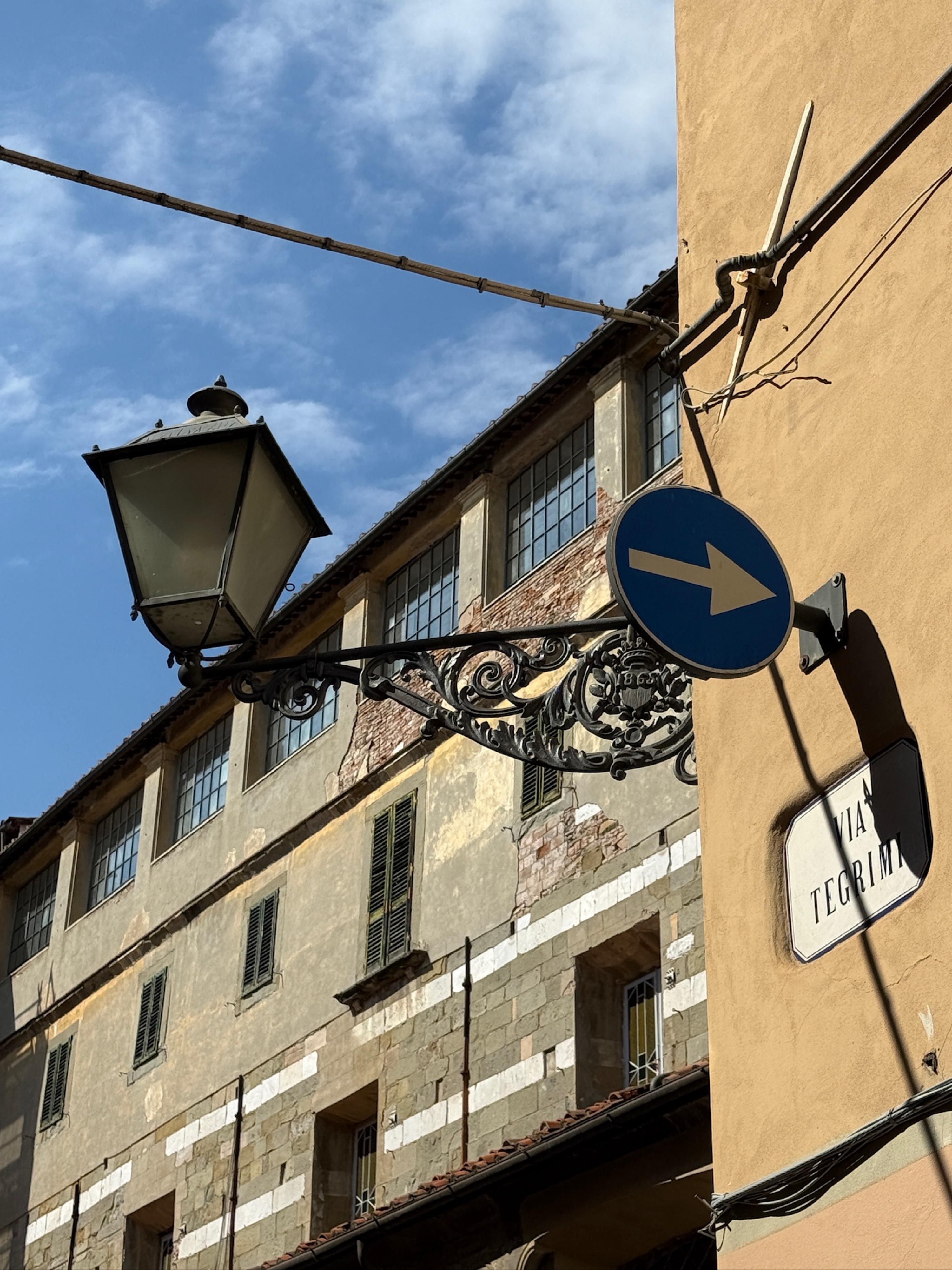
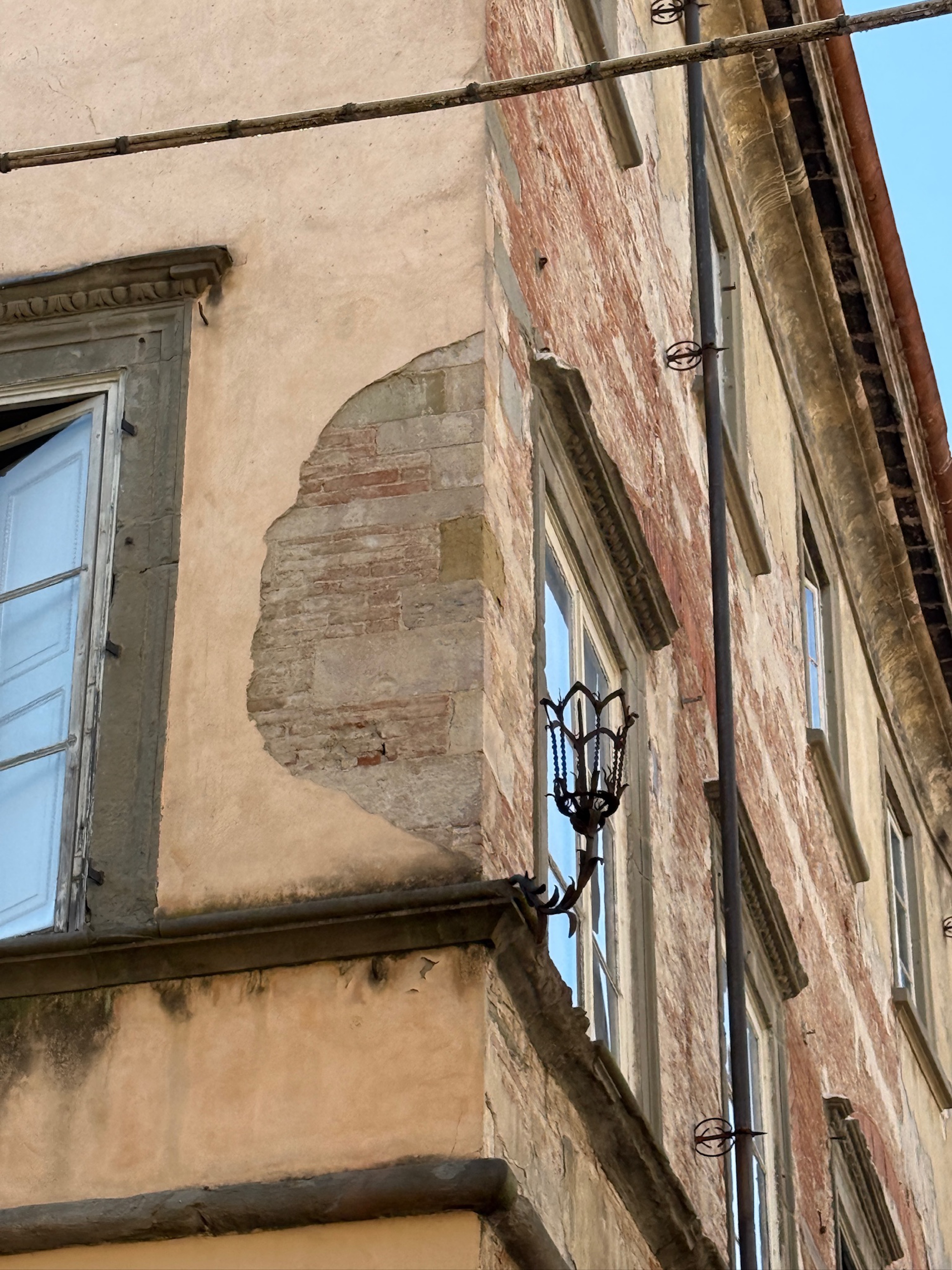
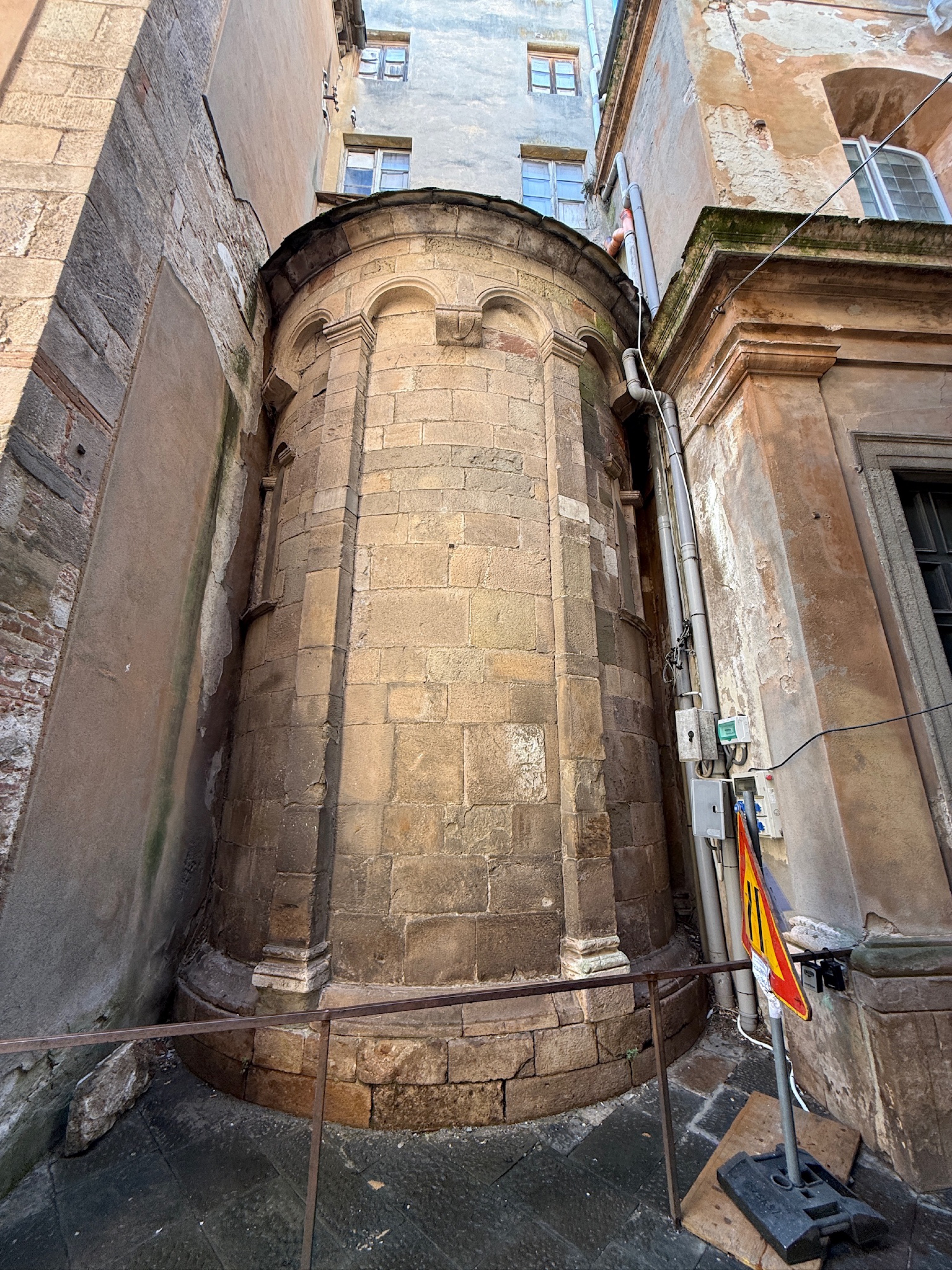
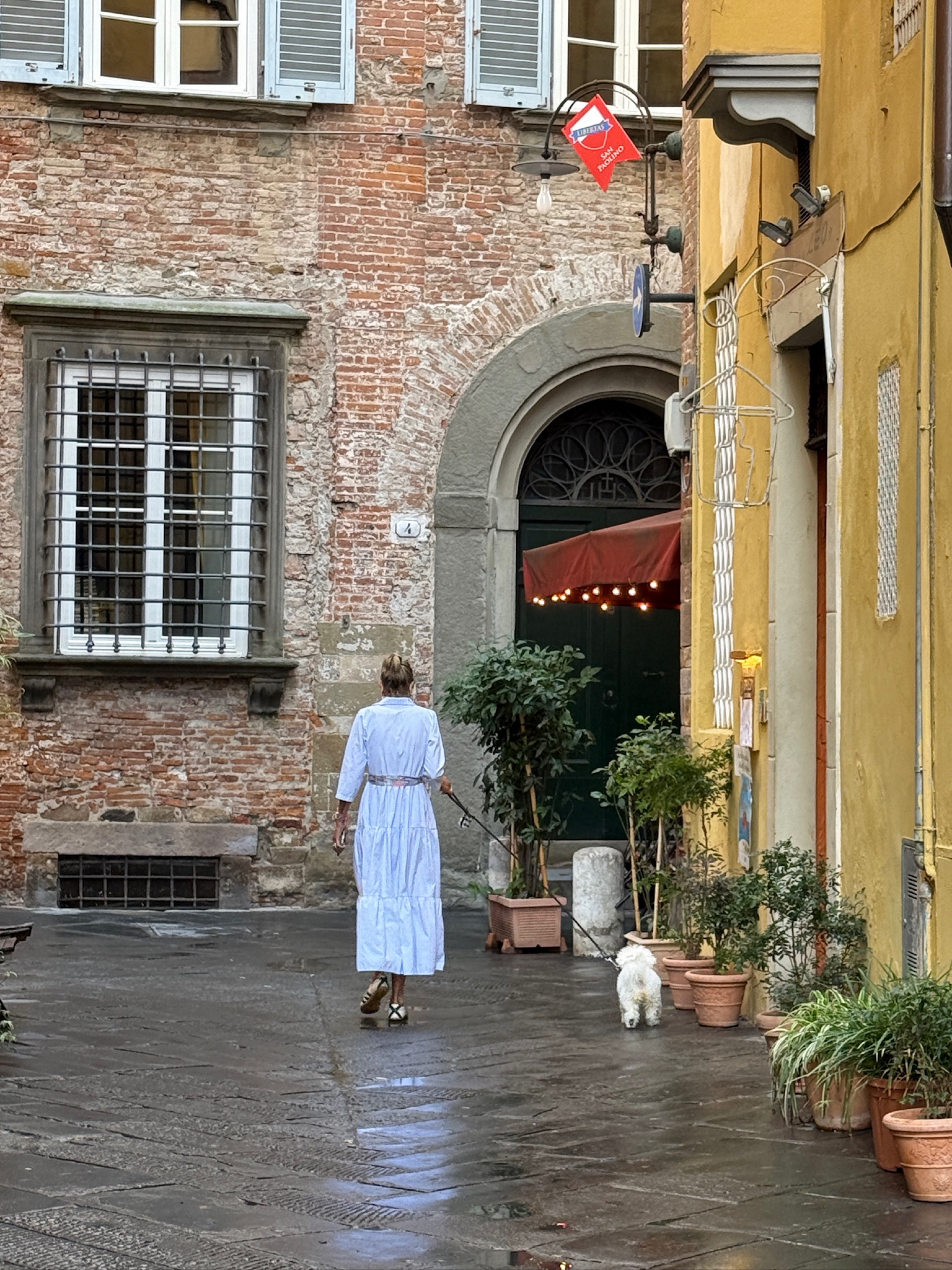
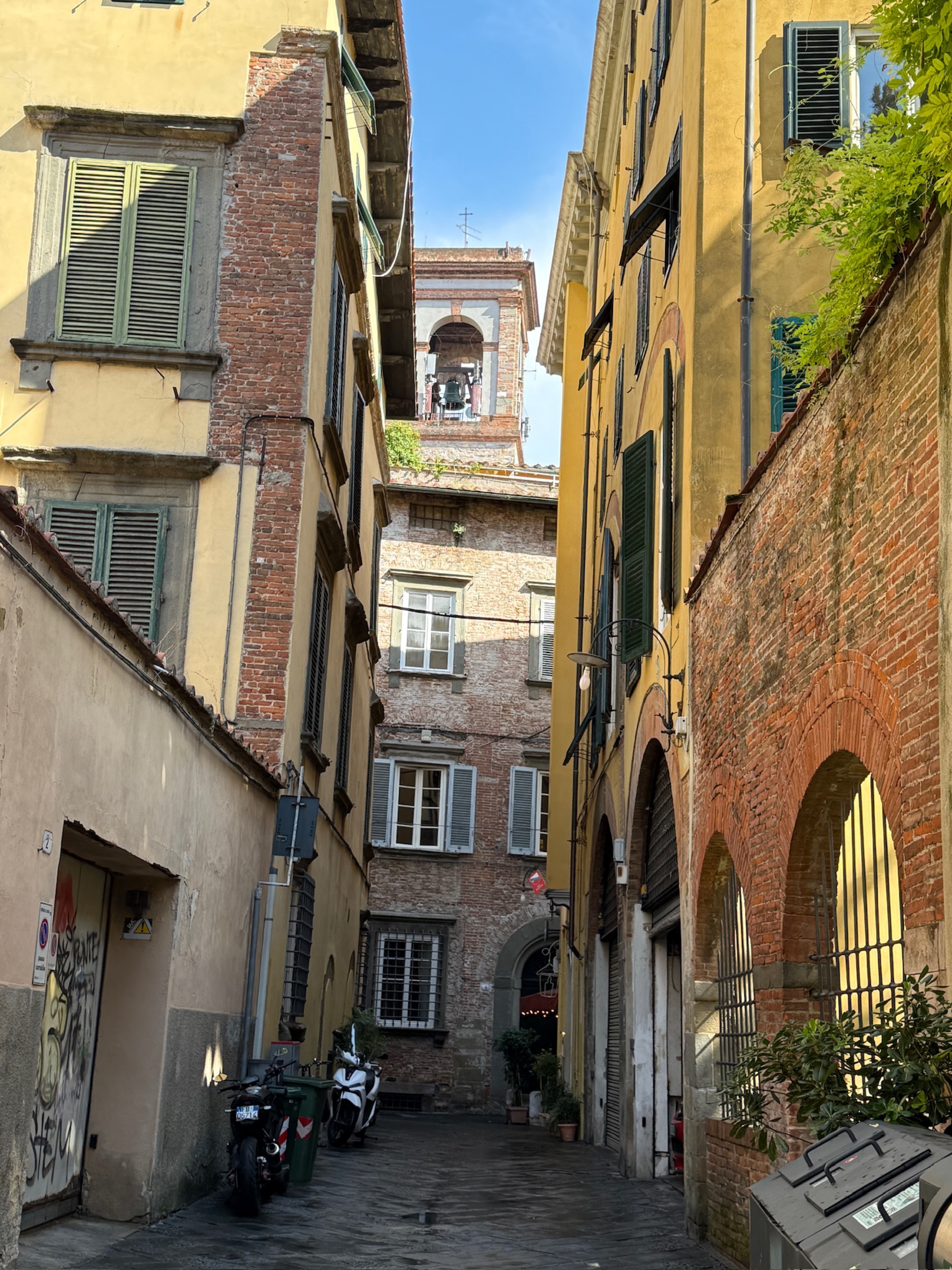
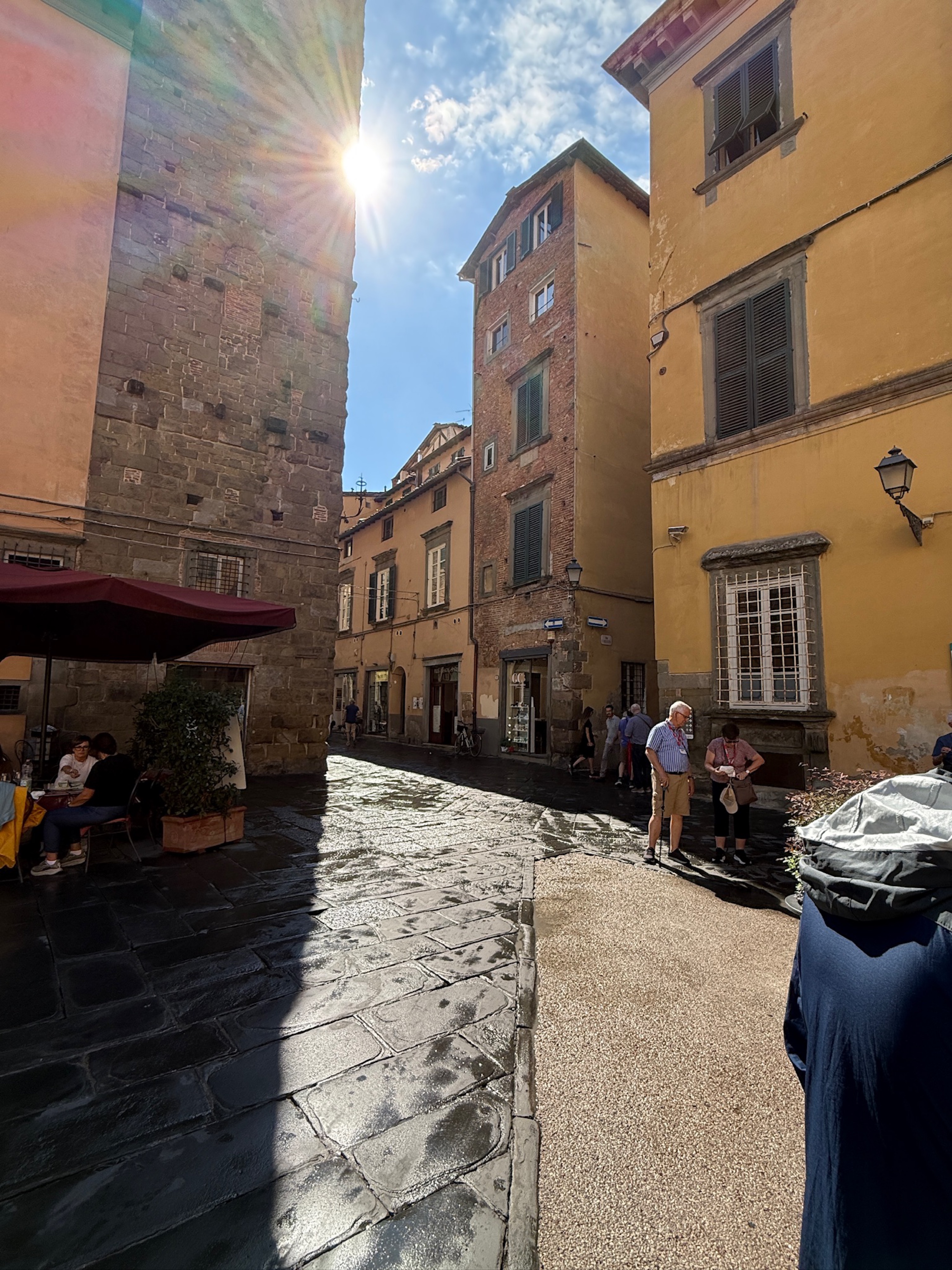
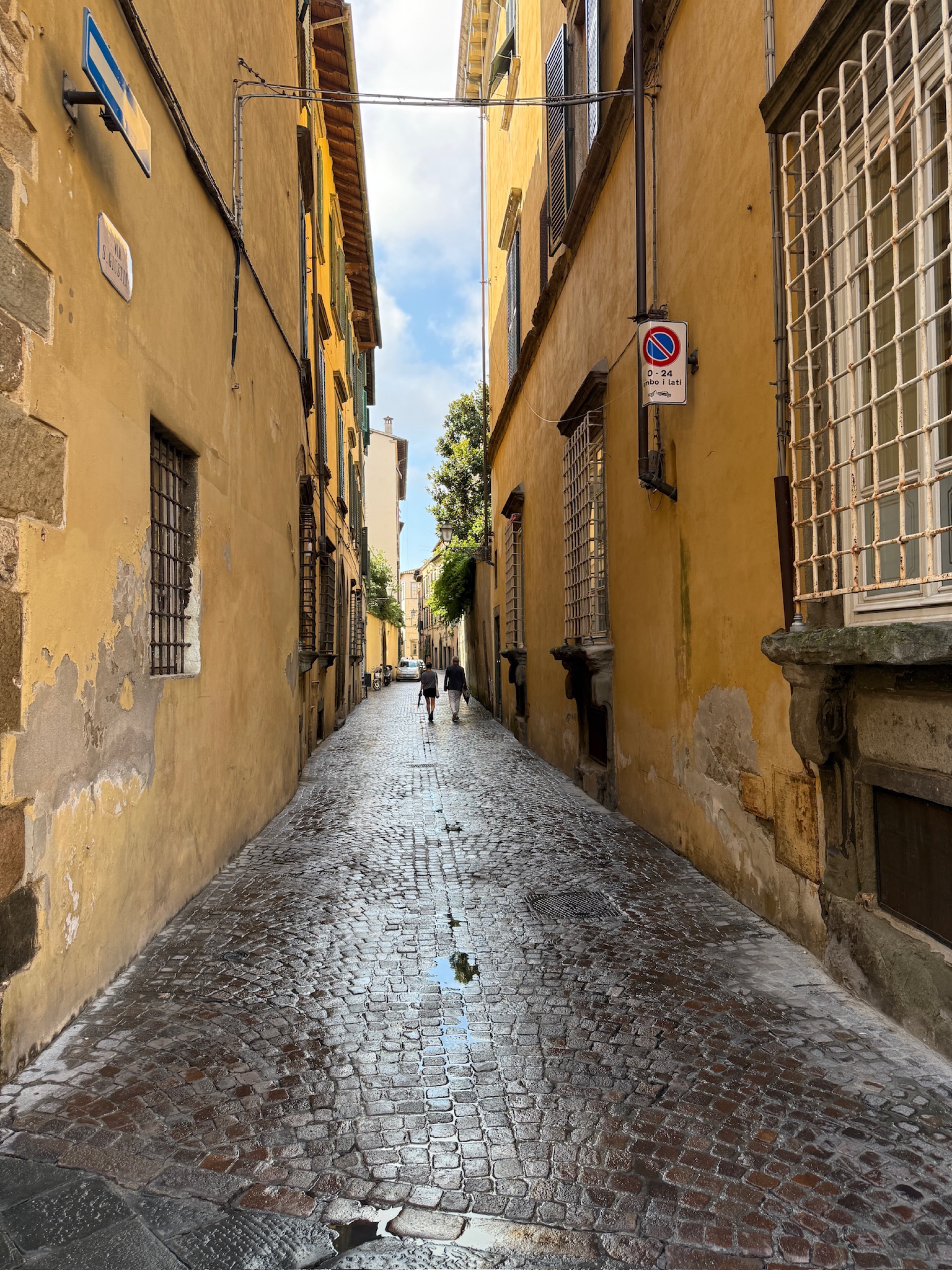
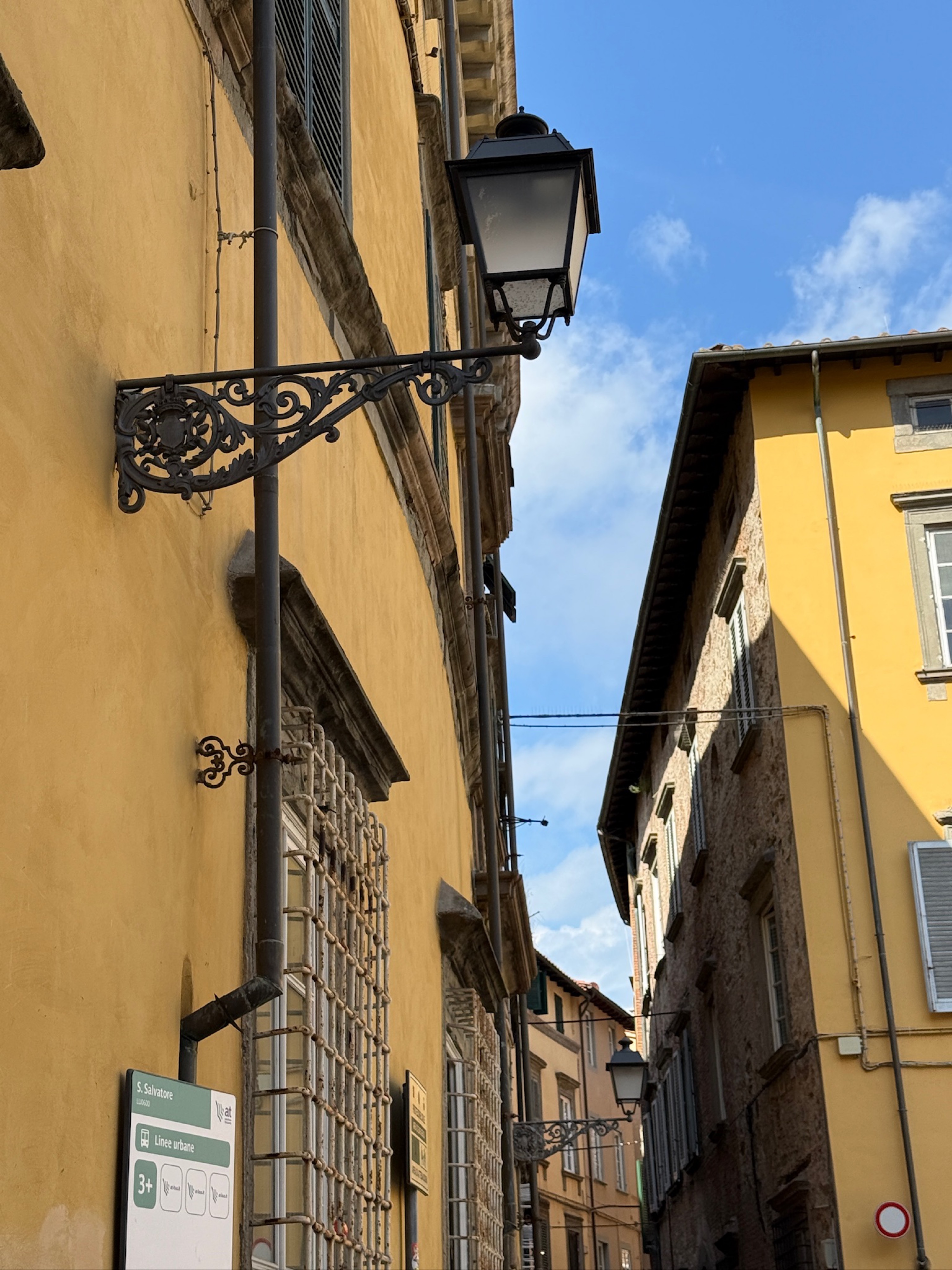
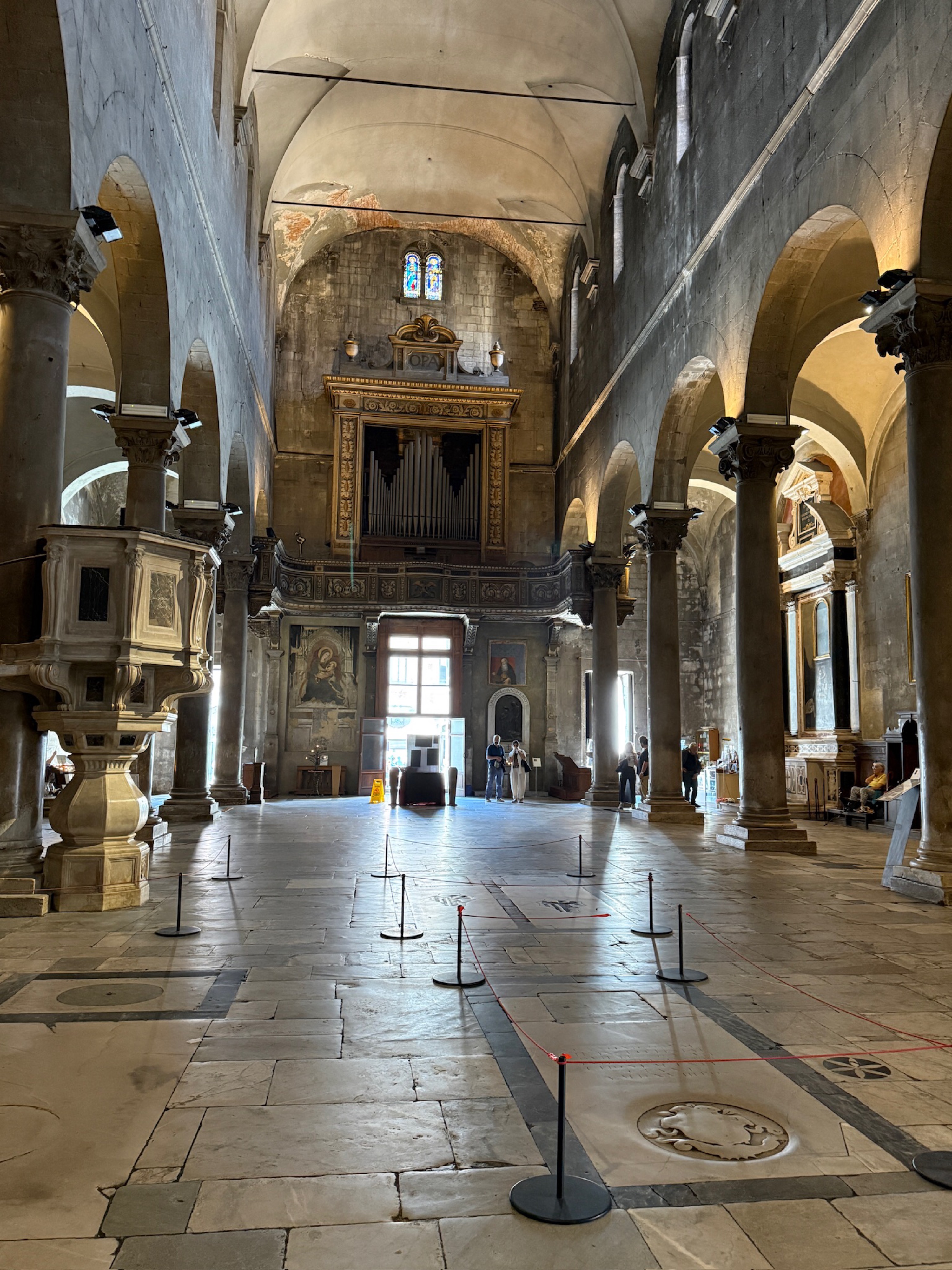
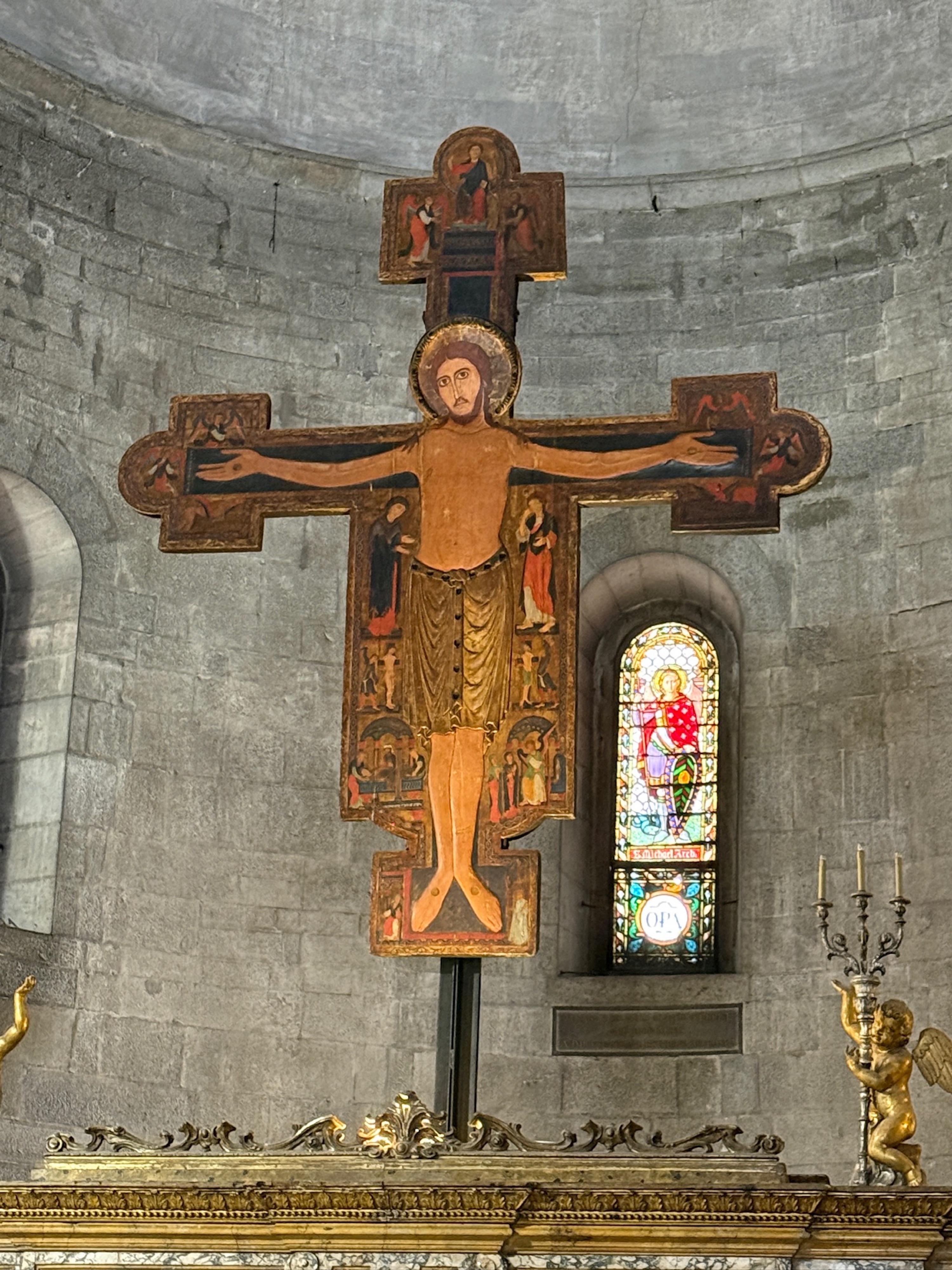
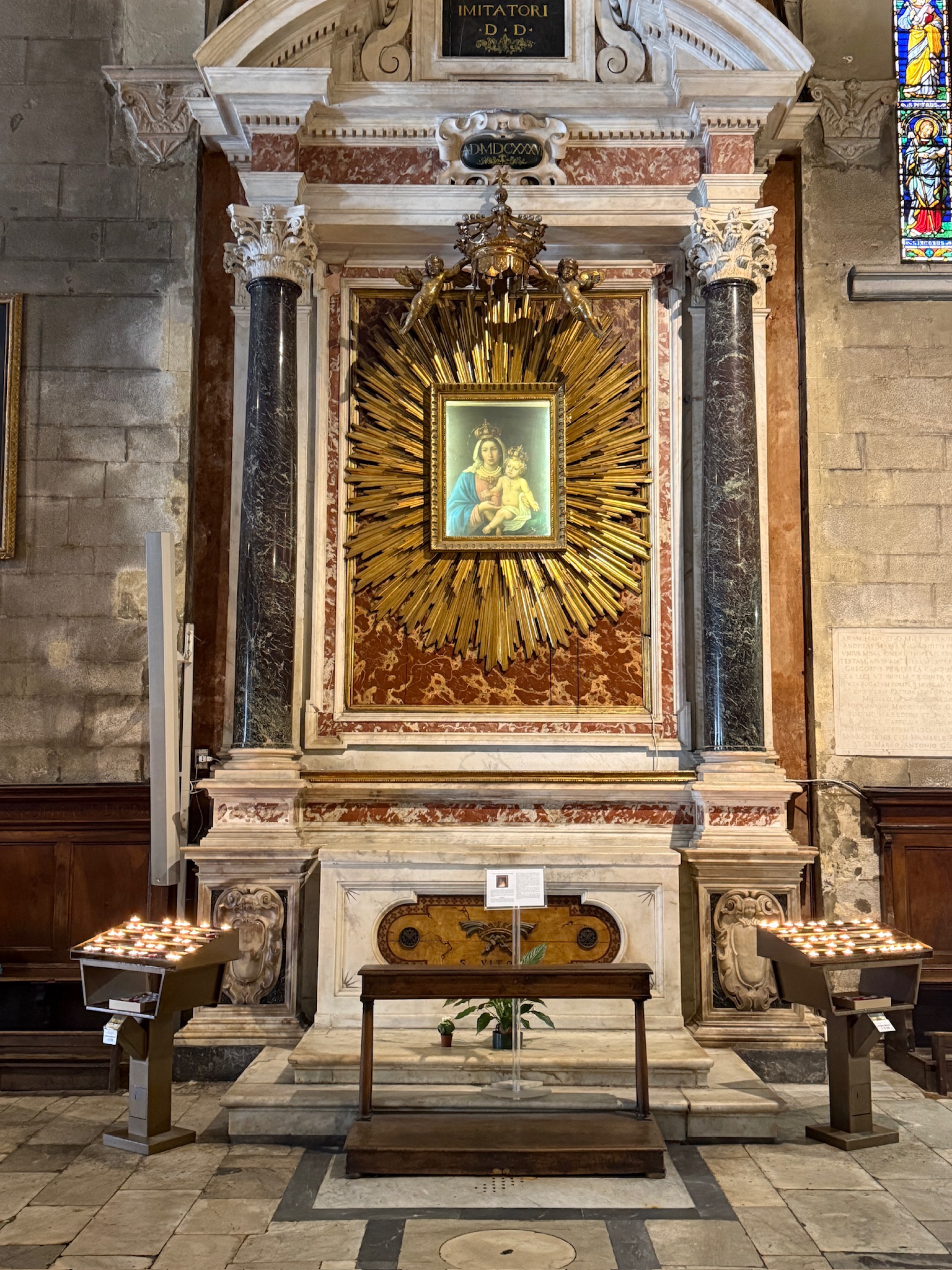
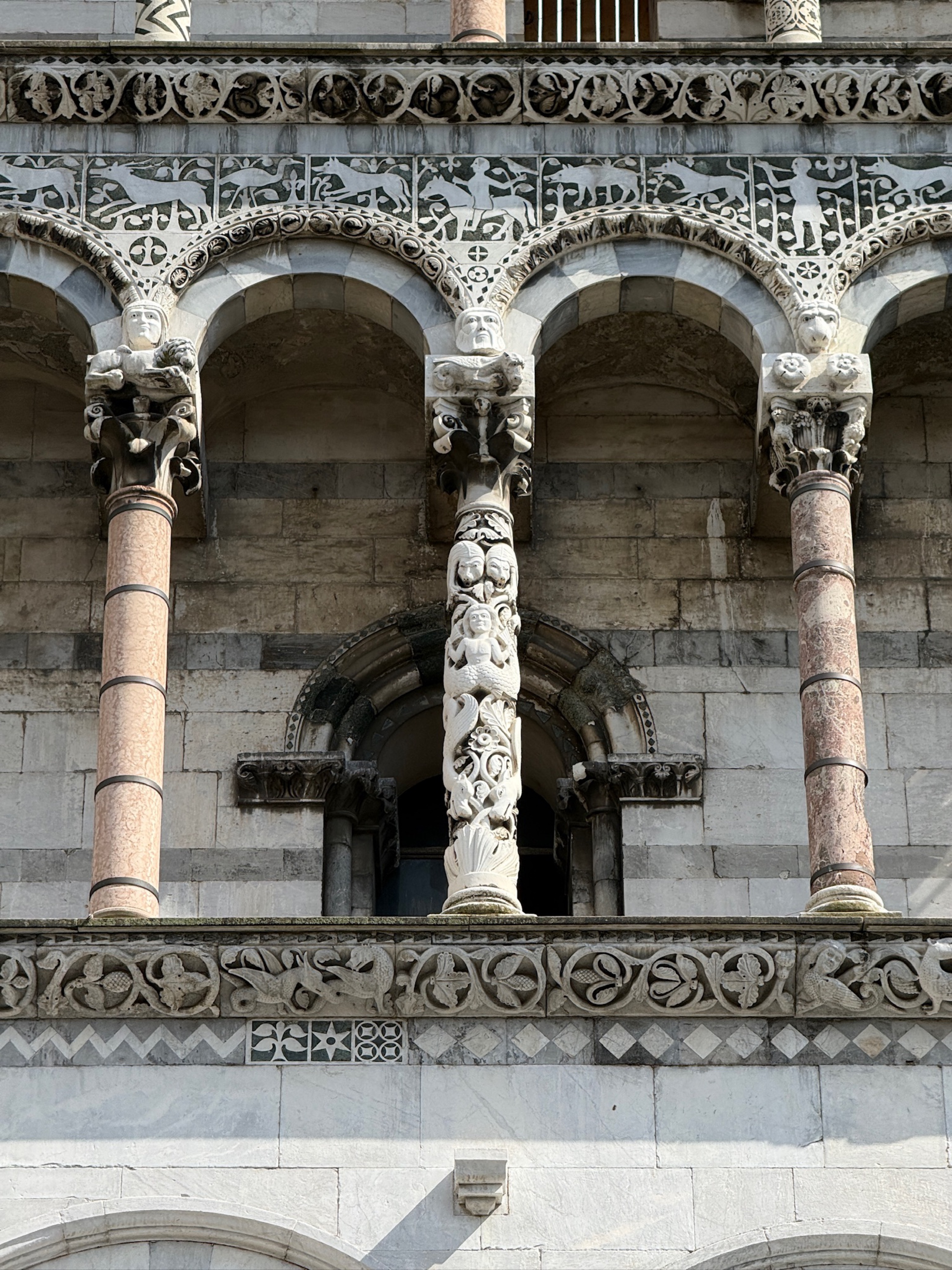
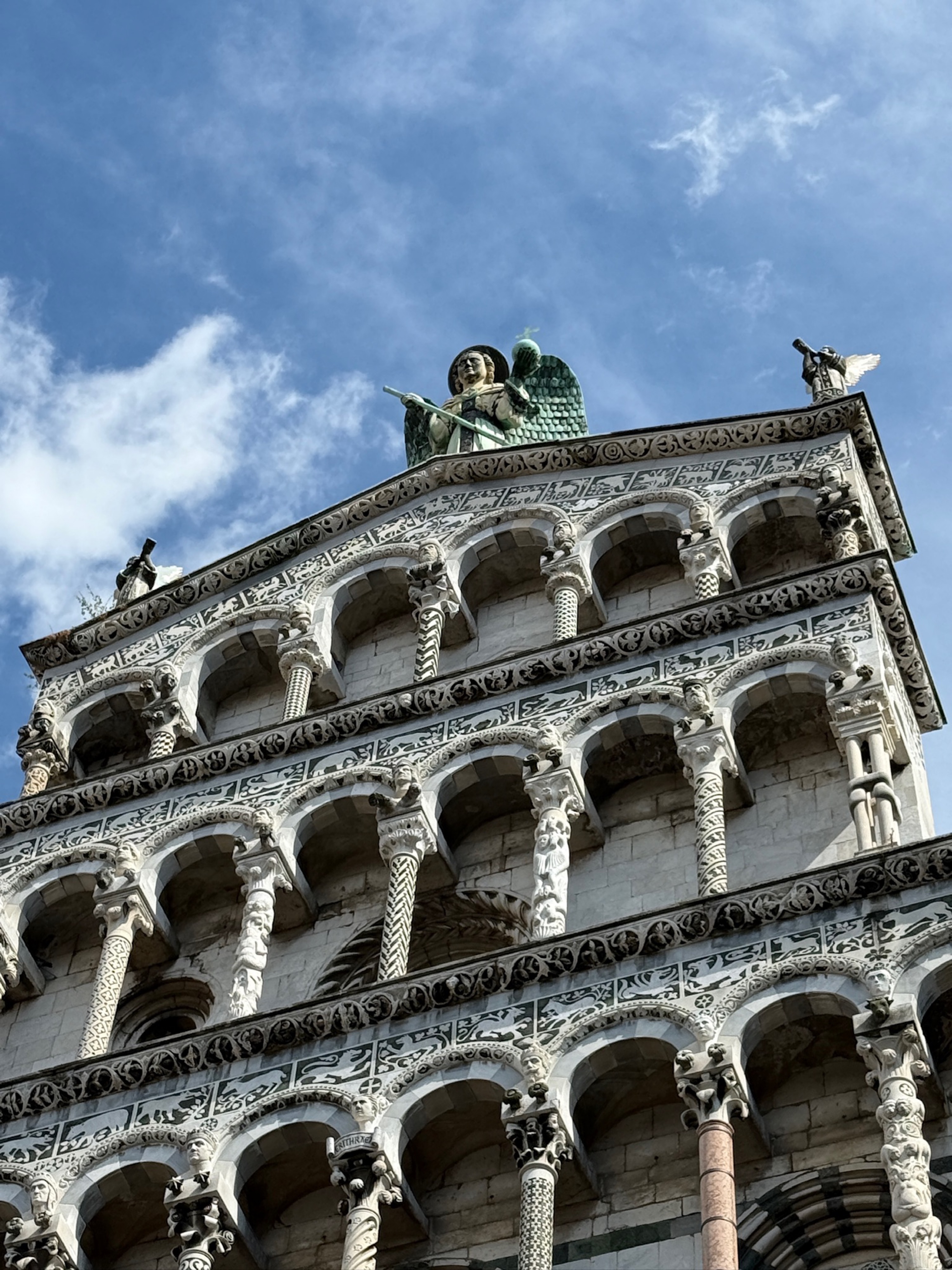
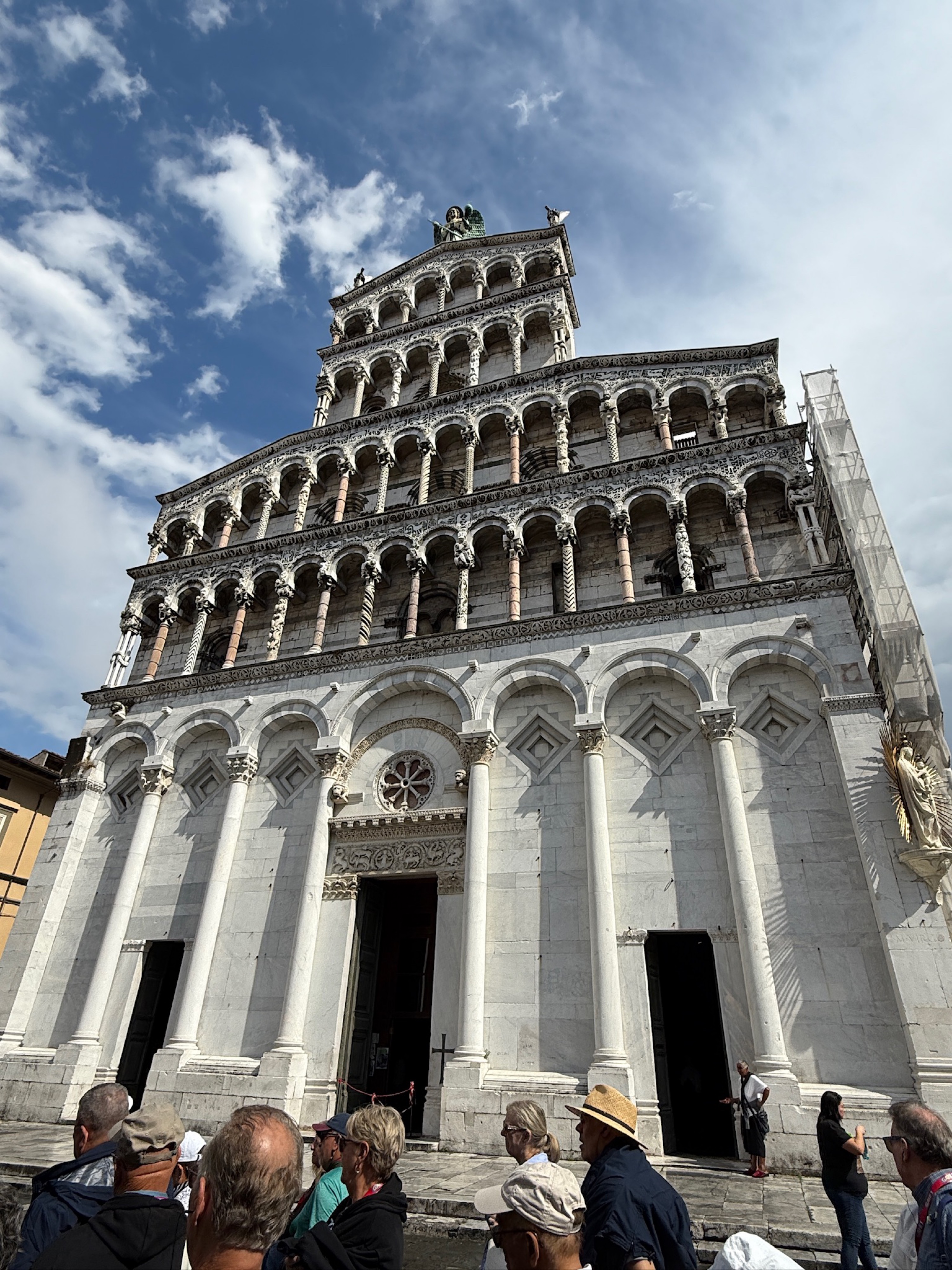
We travel through rolling Tuscan countryside - olive groves and fig trees - to Lucca, whose massive walls still completely encircle the old city. Inside, the streets still follow the original Roman grid, leading to the Church of San Michele, built directly on the site of the ancient Roman Forum. From there we continue on to Montecatini.
Lucca has actually had three walls over its history. The first was Roman, standing until around 1000 AD; a medieval wall replaced it as the city grew; and the third and final version, built between 1545 and 1650 to hold off Pisa and the Medici of Florence, is the one still standing today - and remarkably, it's the only complete, intact Renaissance-era city wall left in all of Italy. In 1817 the ramparts were planted with a double row of plane trees, and that tree-lined promenade along the top of the walls is now one of the most pleasant walks in Tuscany.
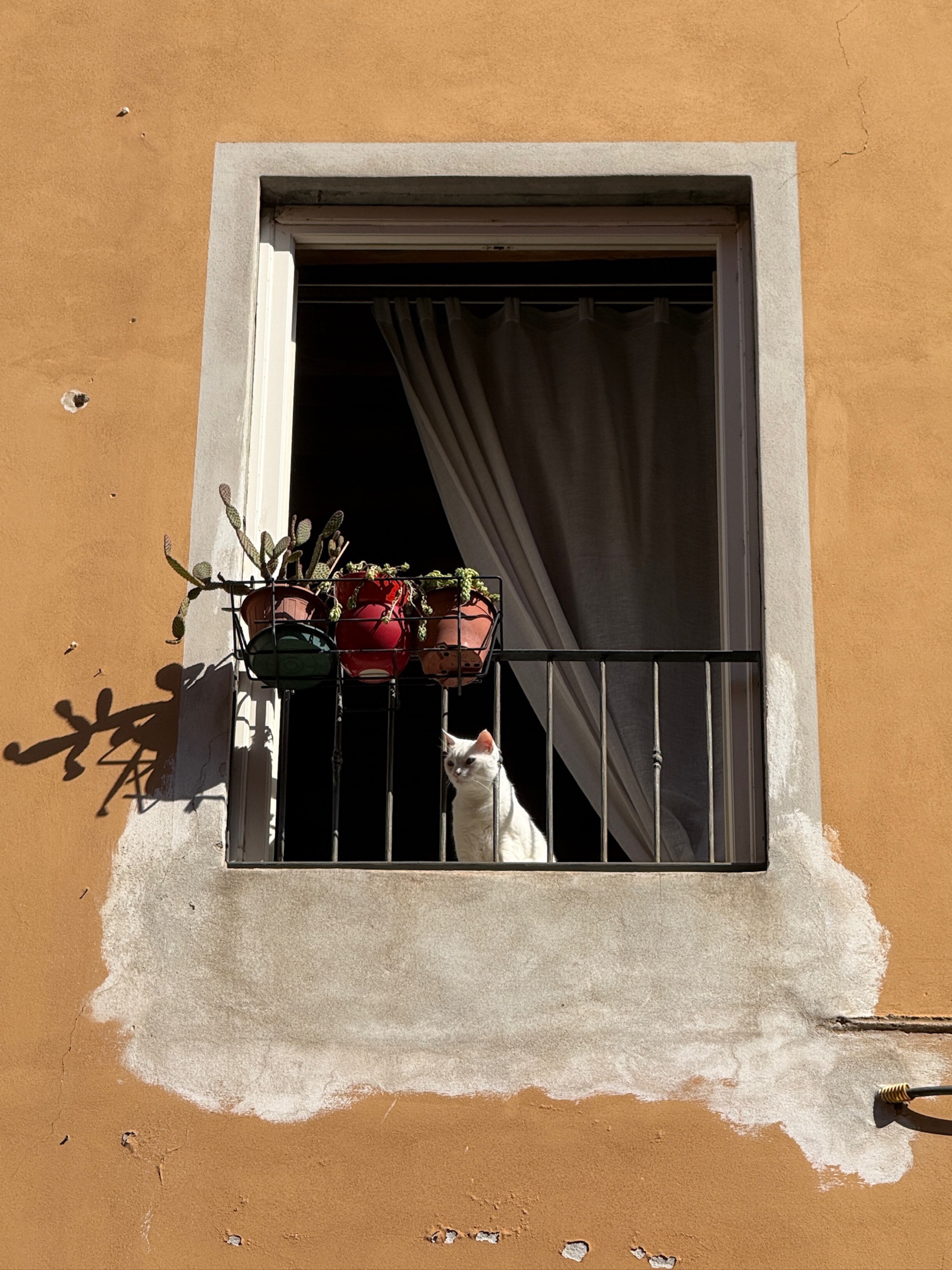
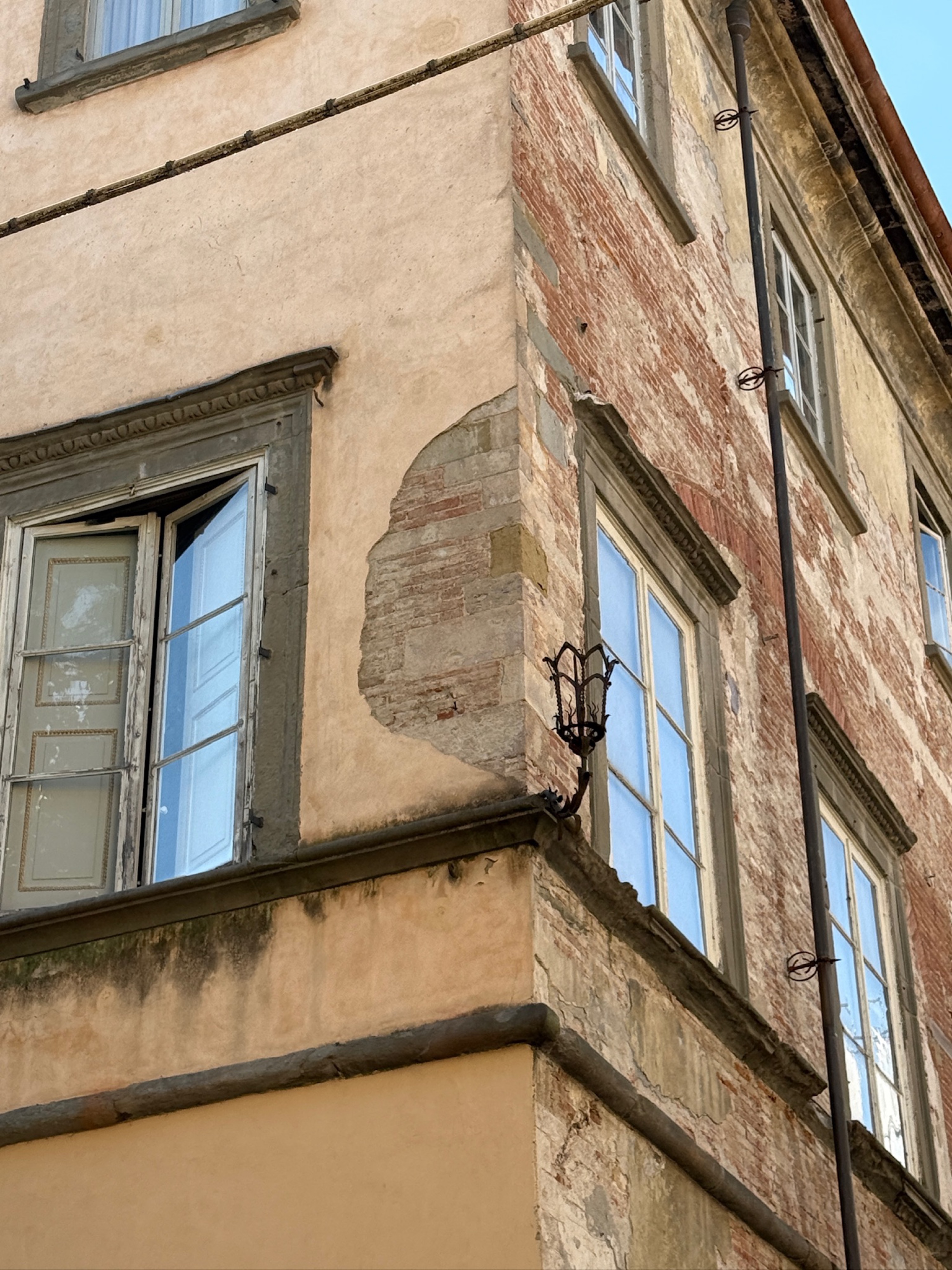
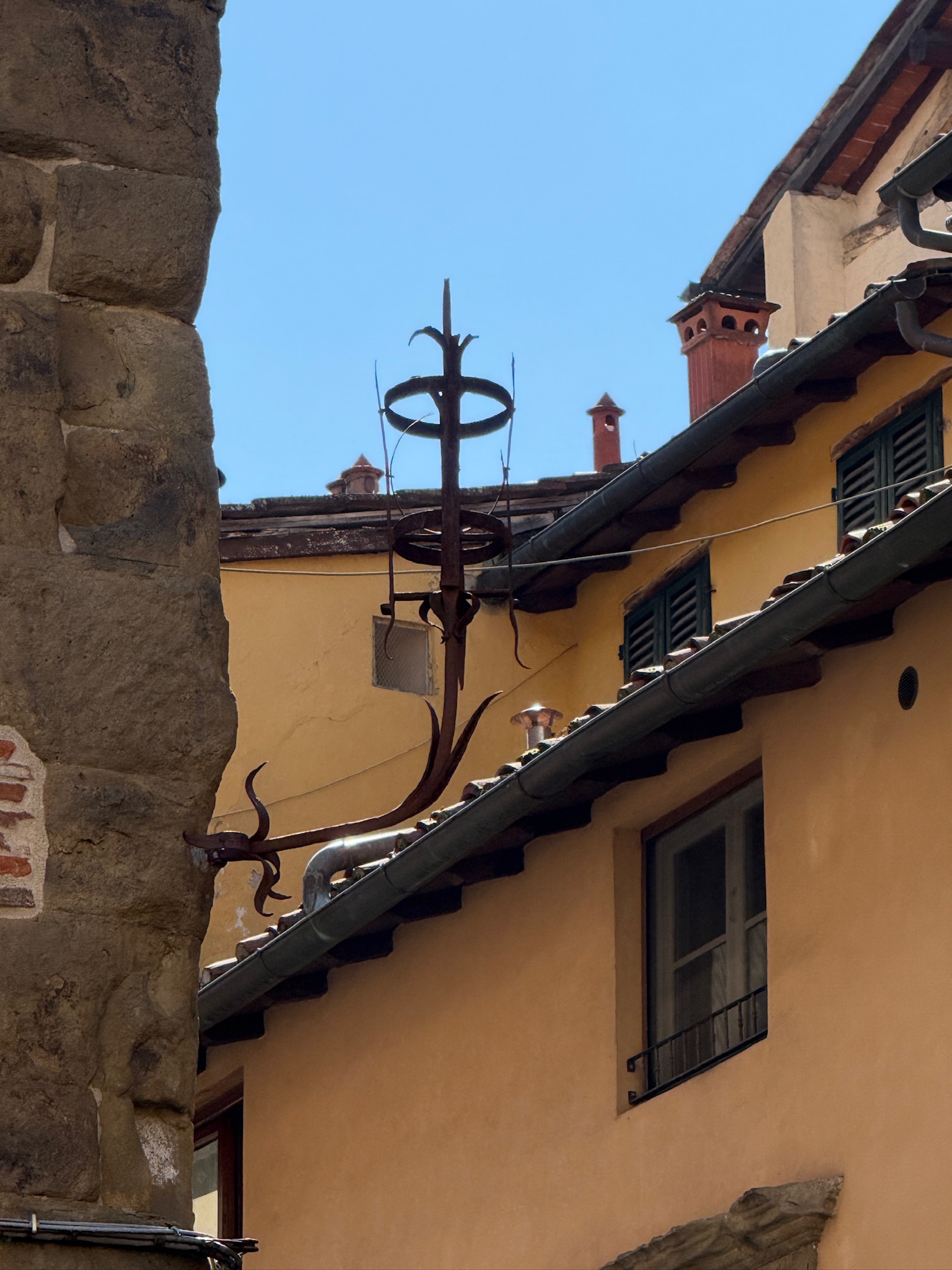
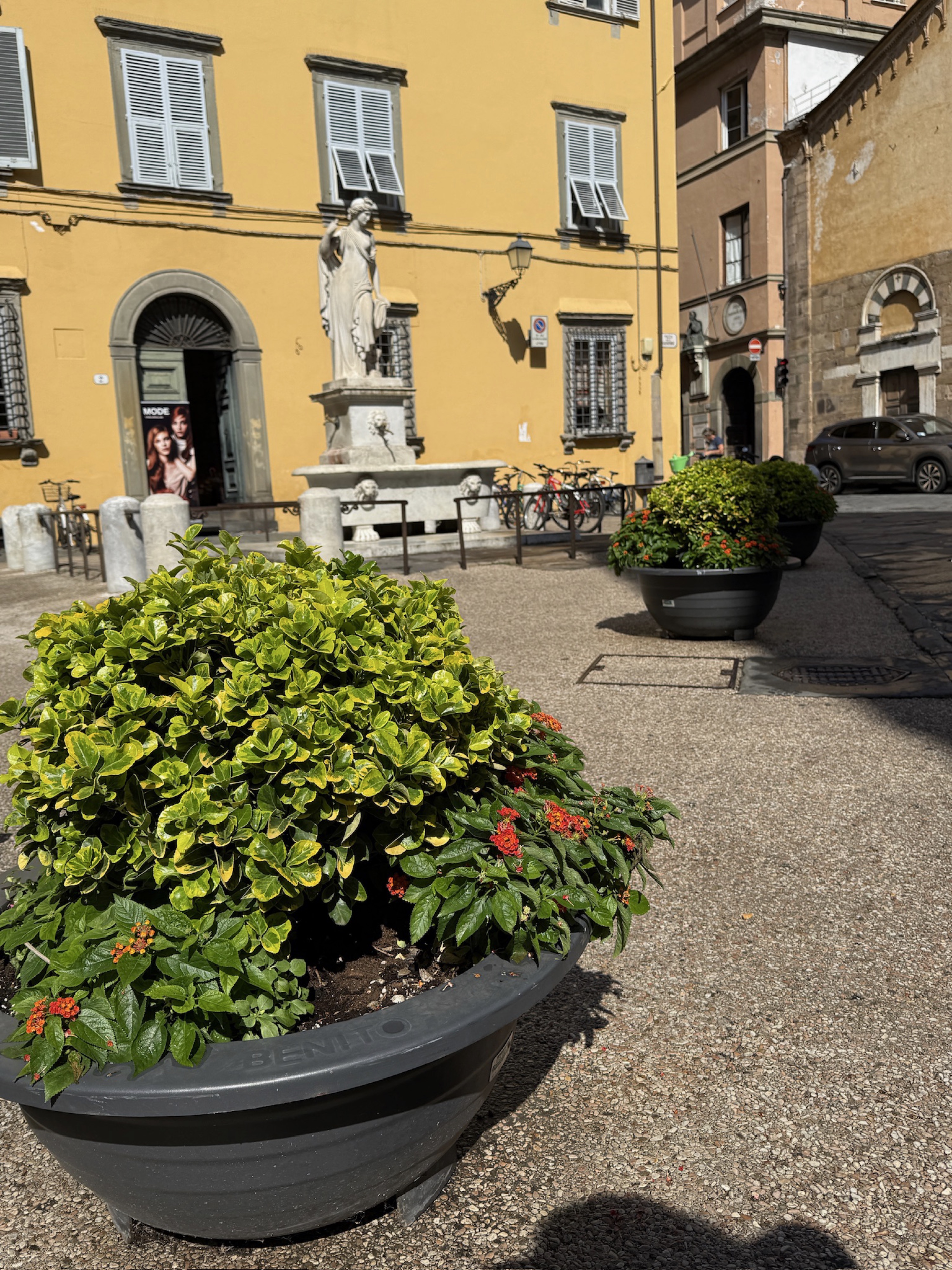
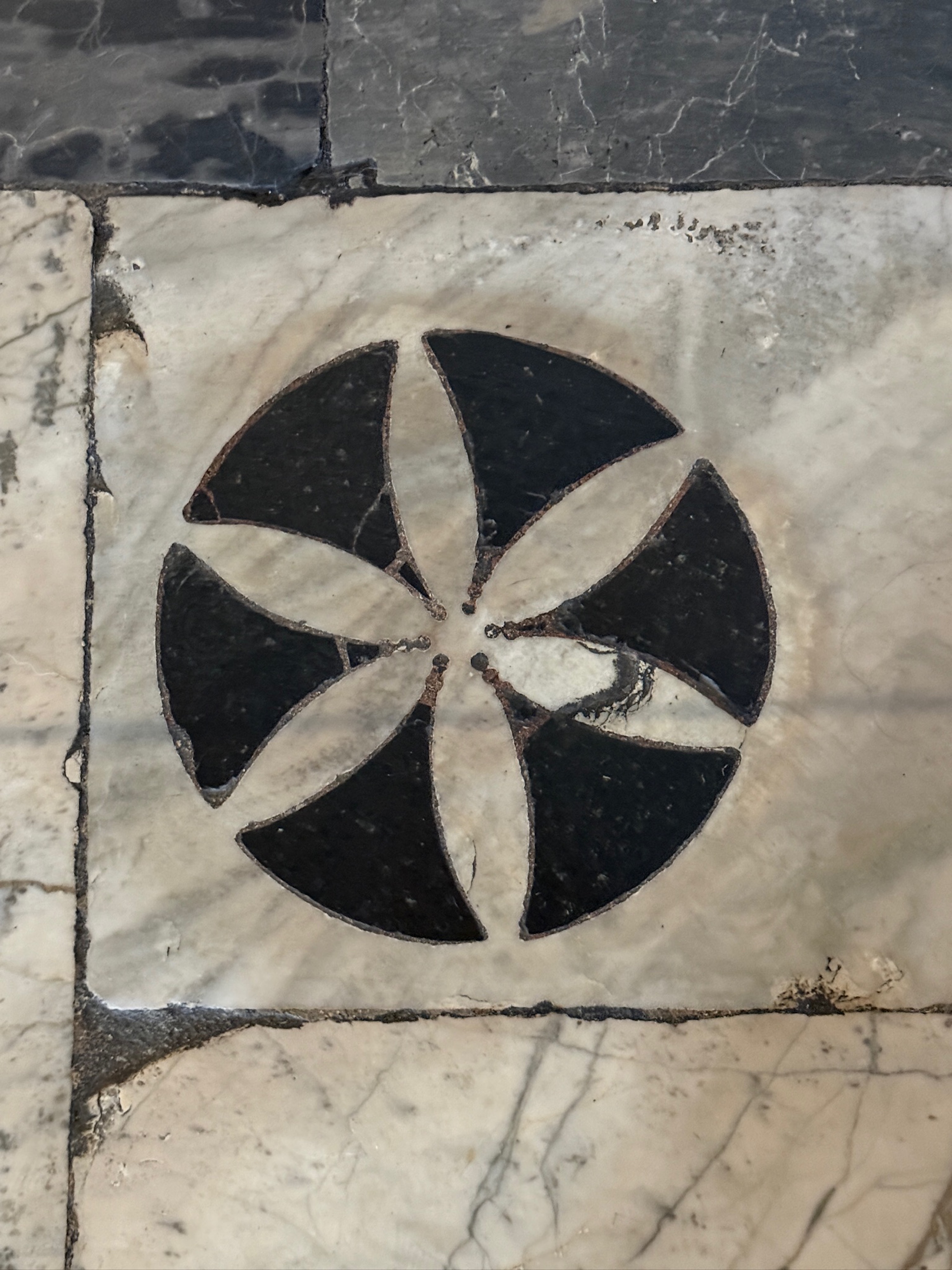
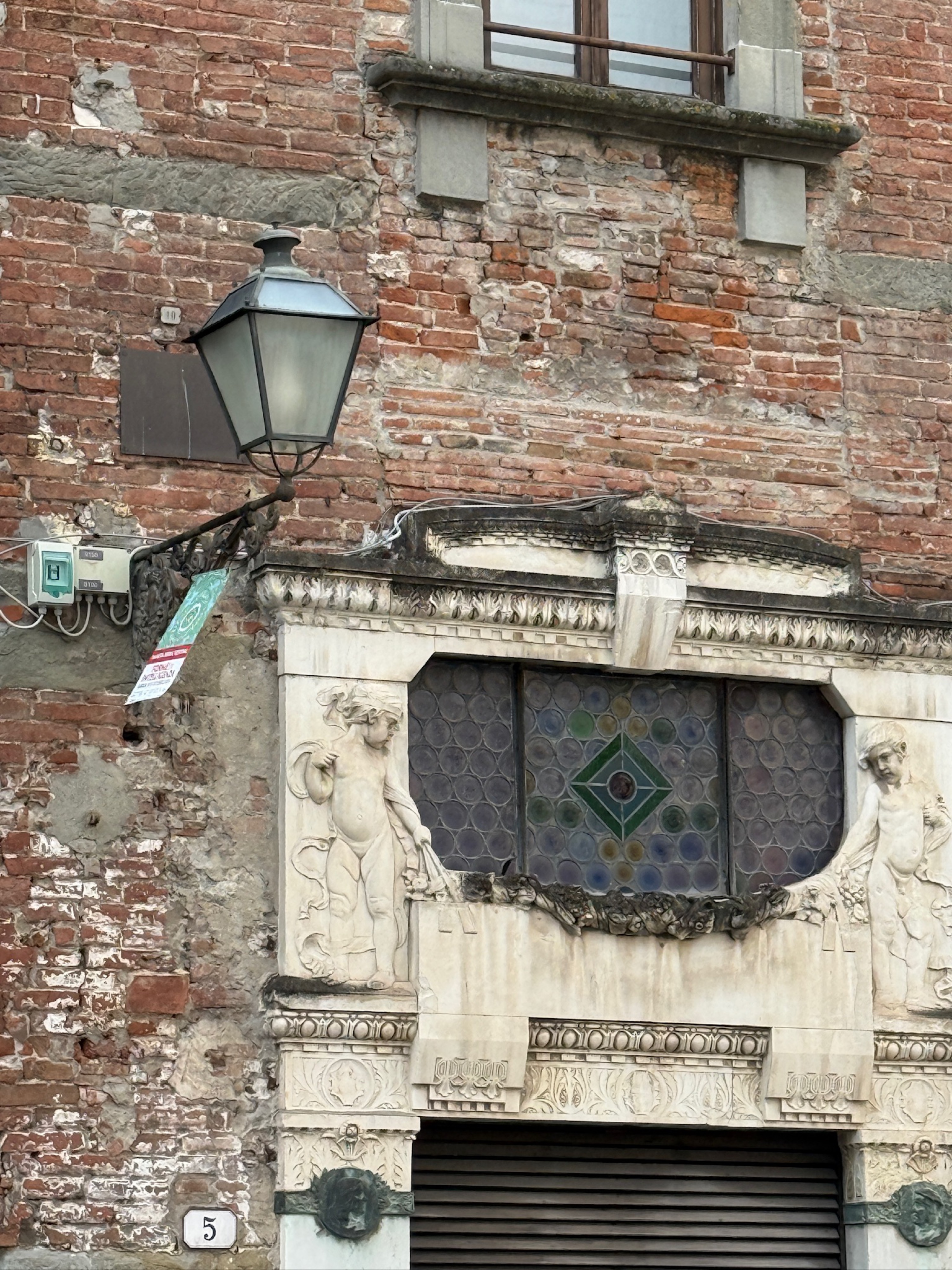
Wendi took this set of pictures, as it was raining and I left my camera on the bus.
Murano & Venice Tour
September 15, 2026
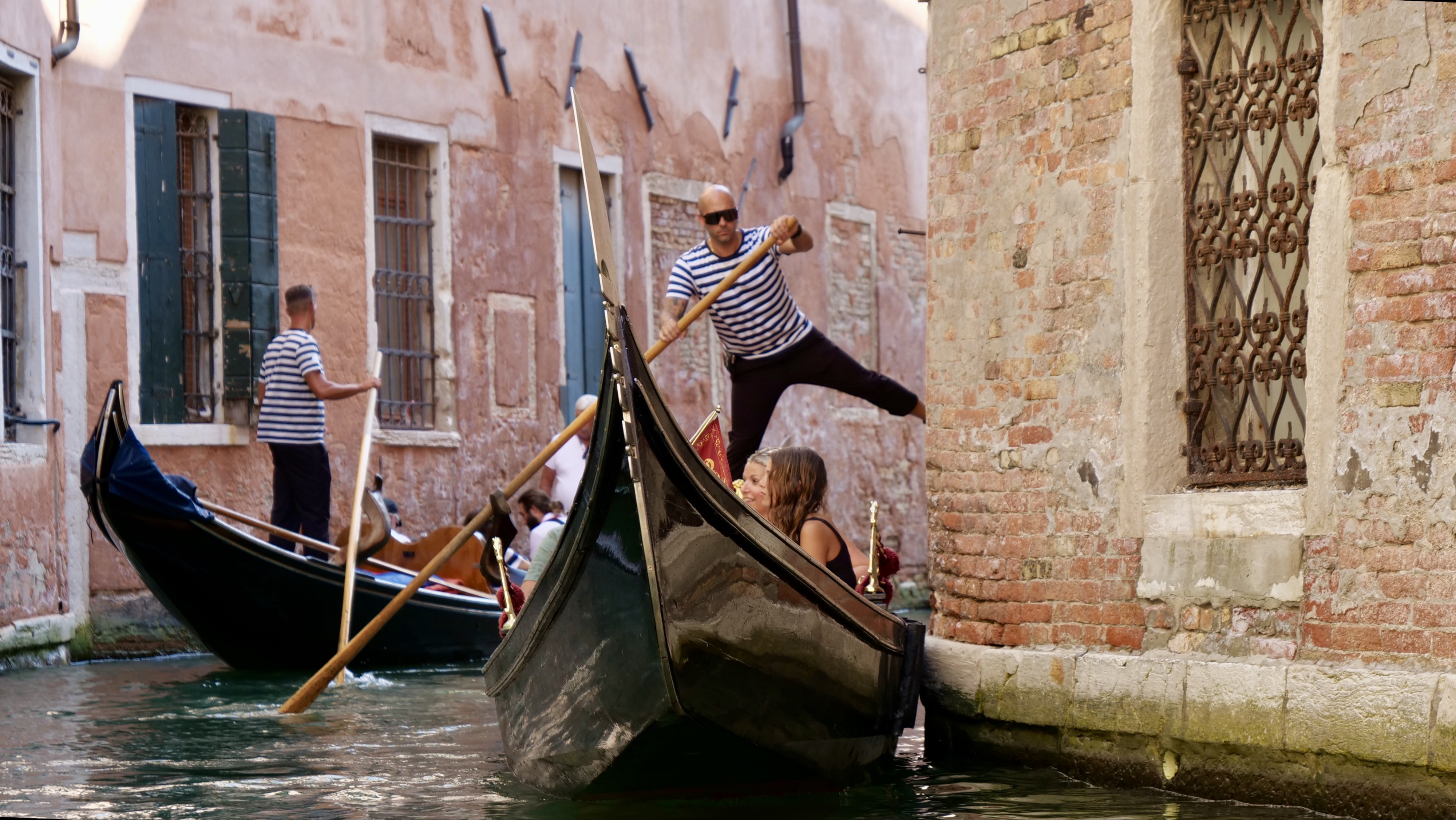
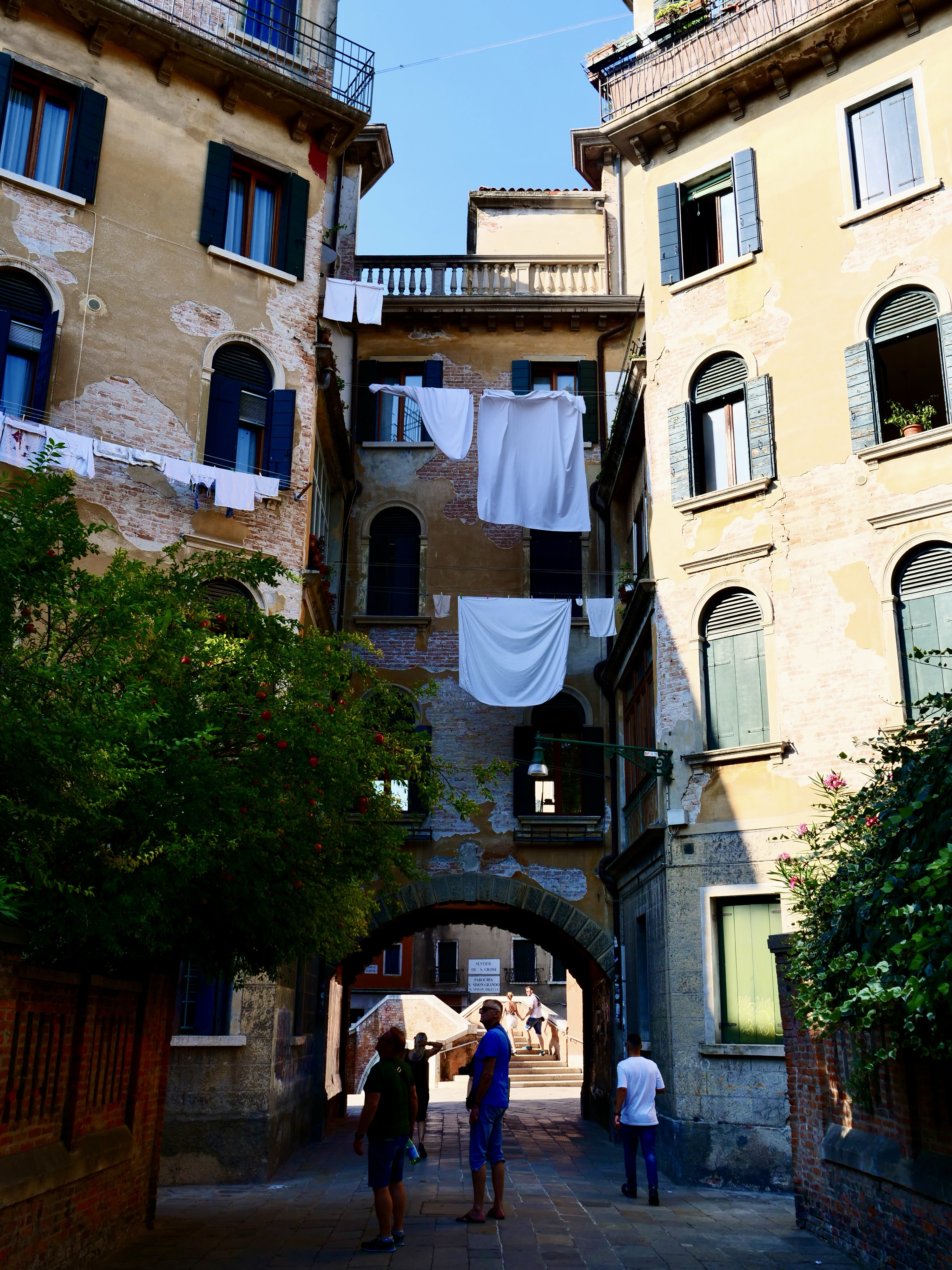
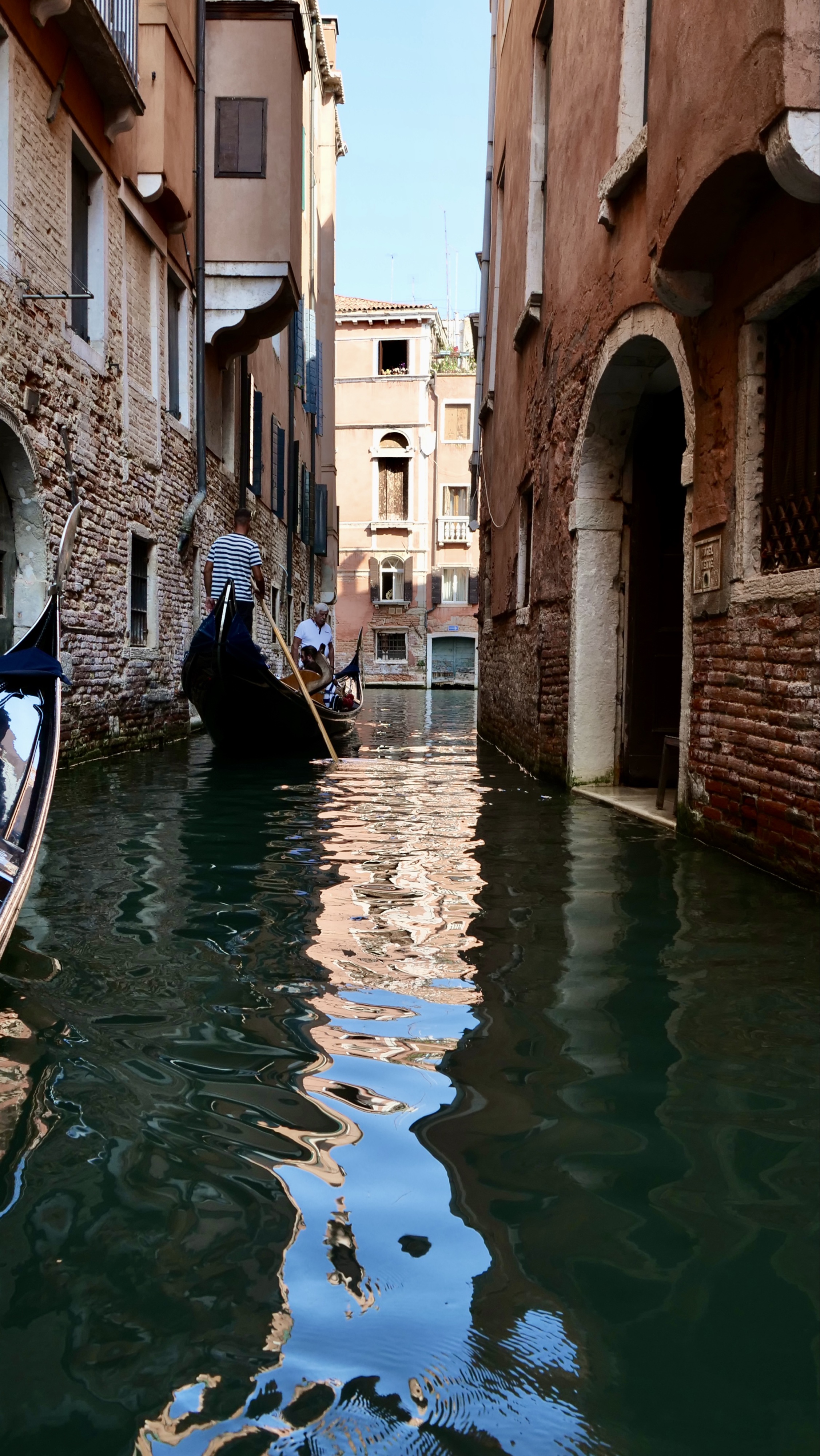
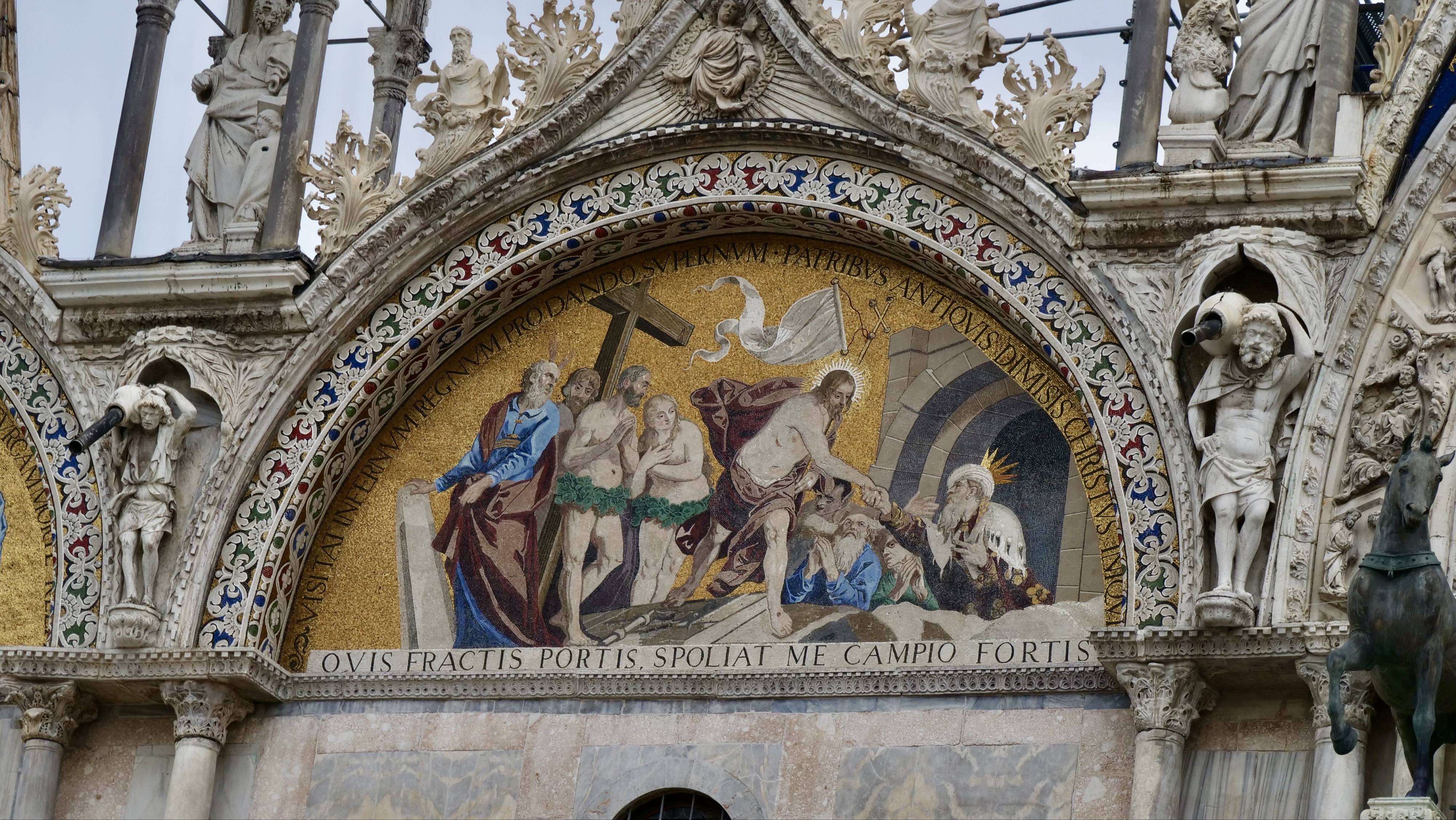
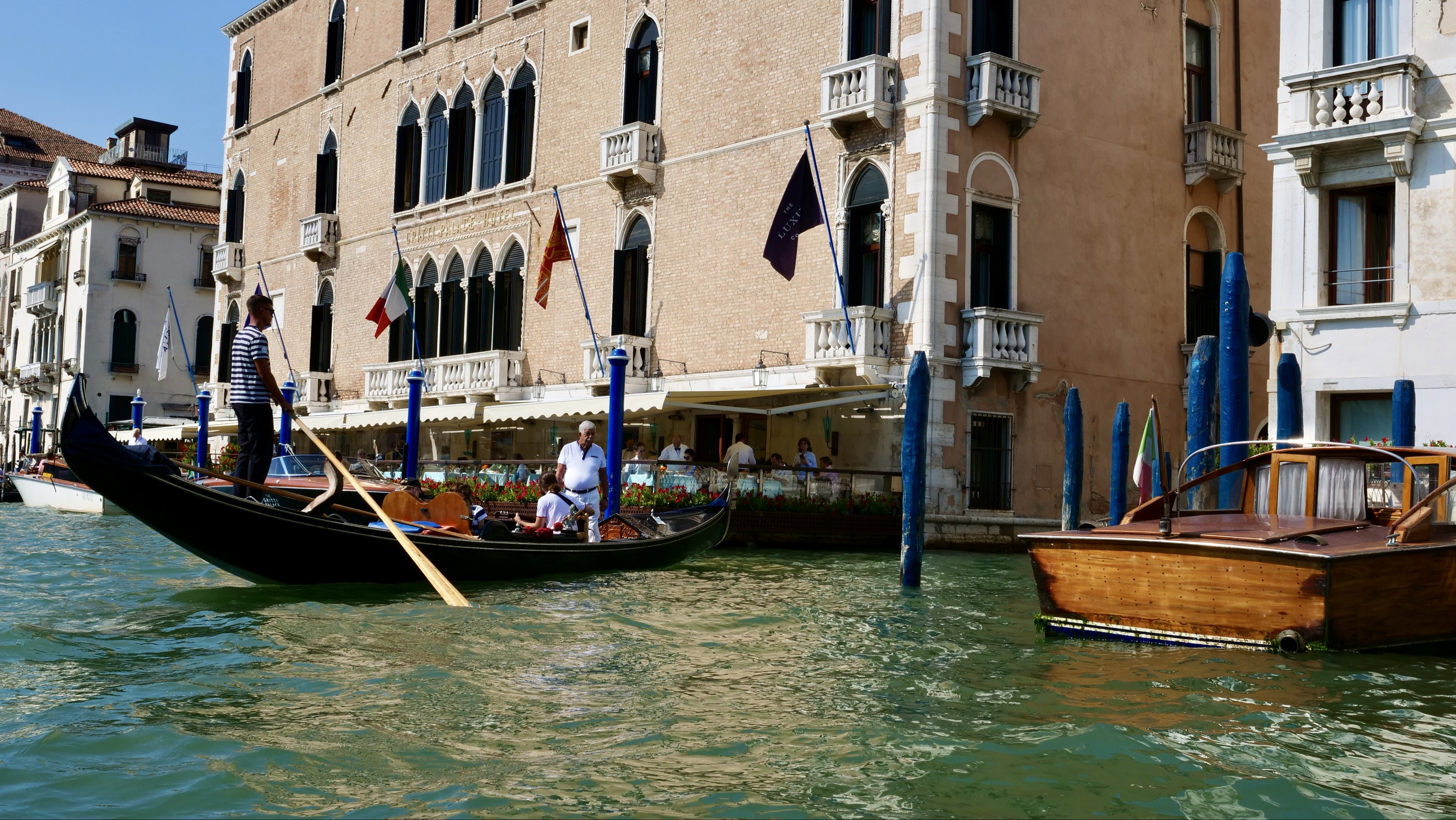
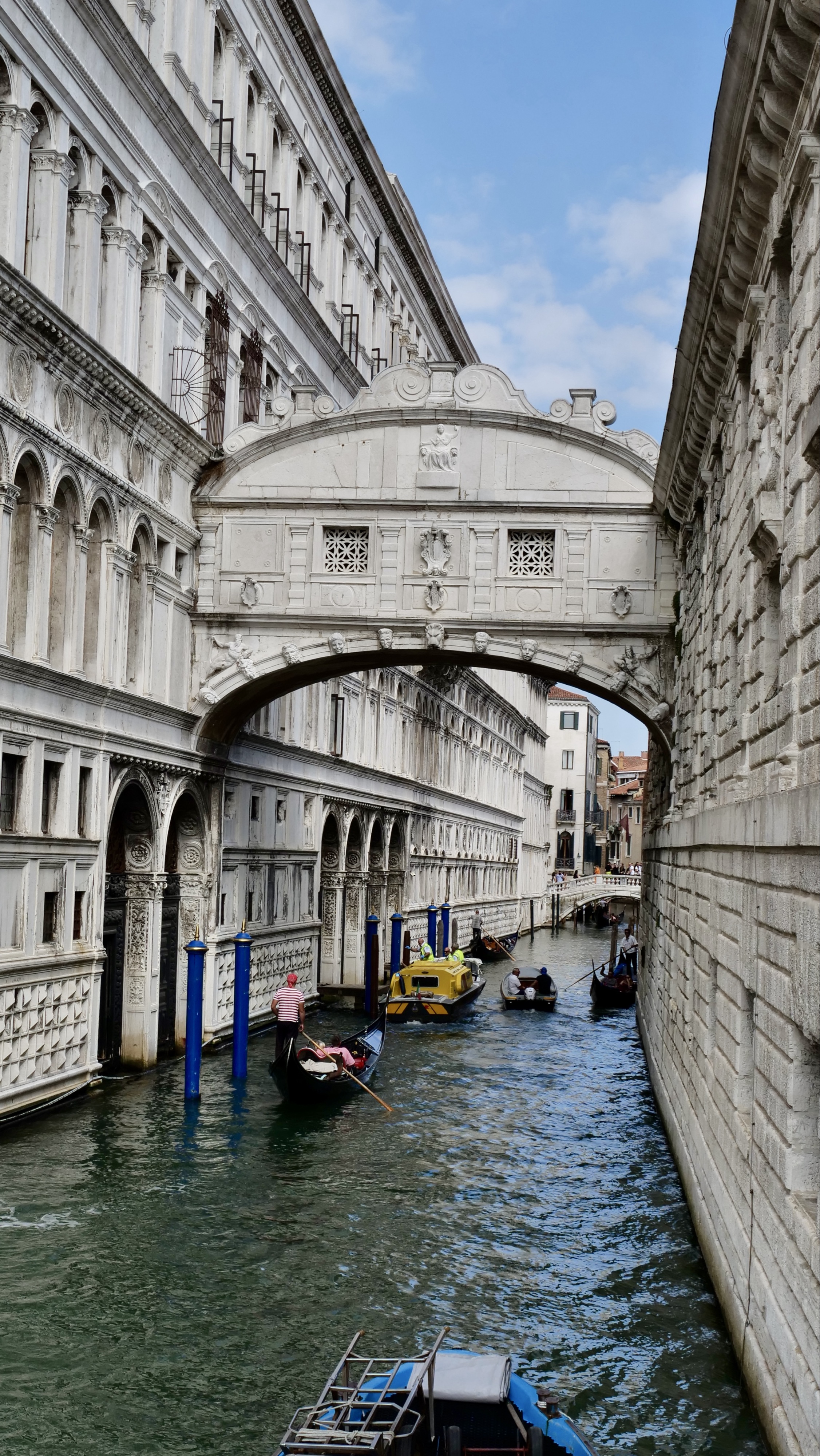
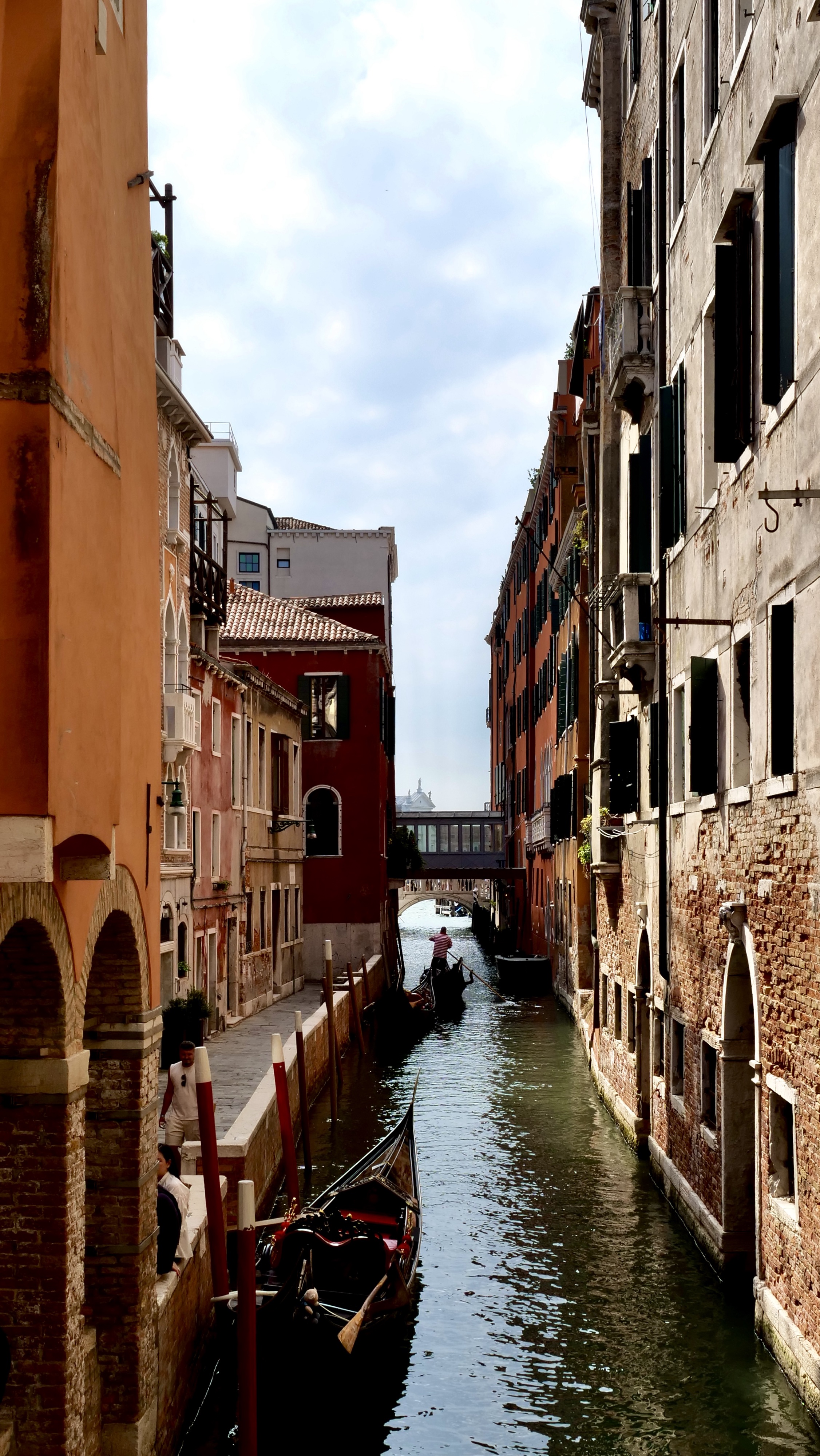
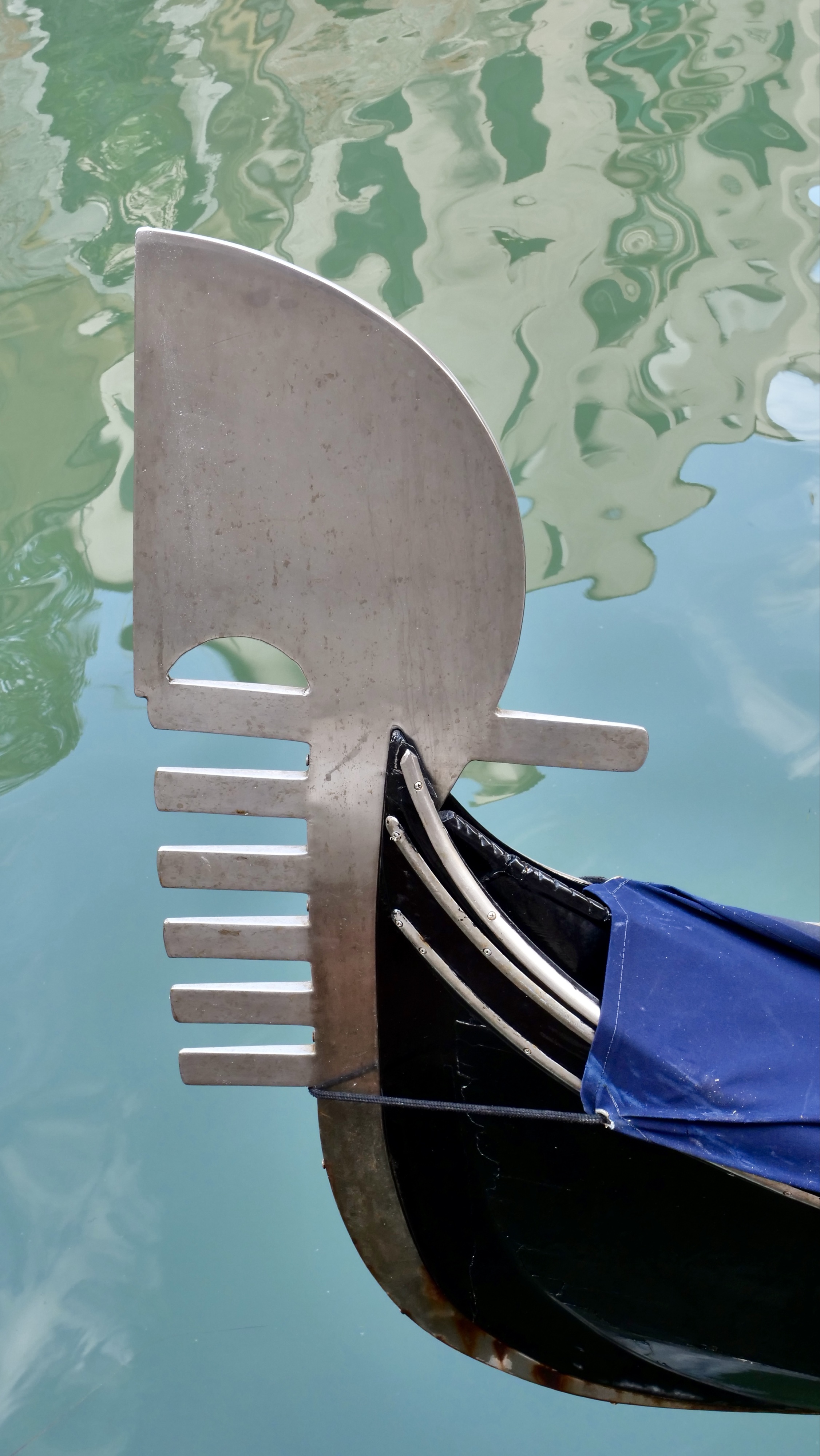
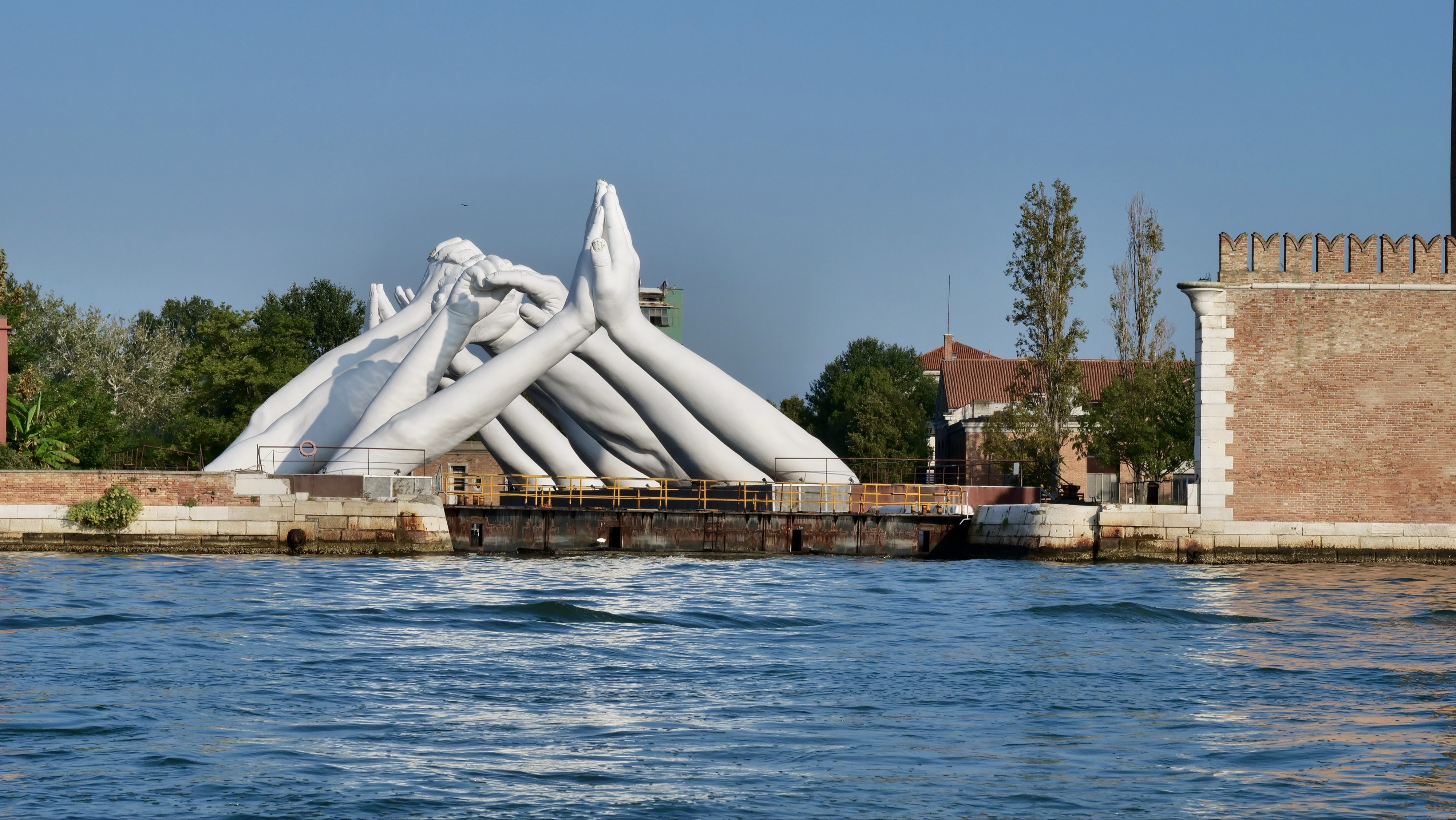
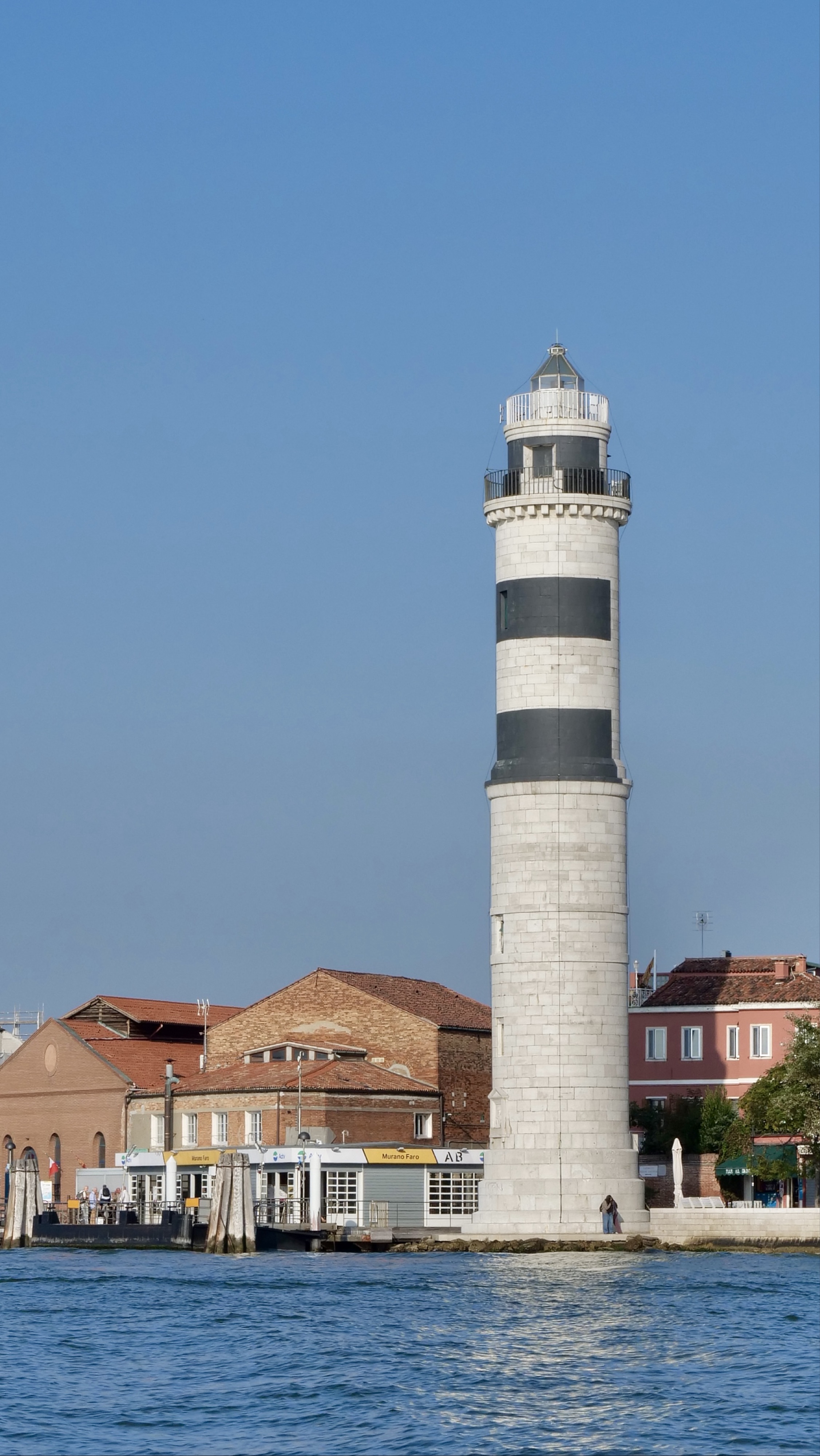
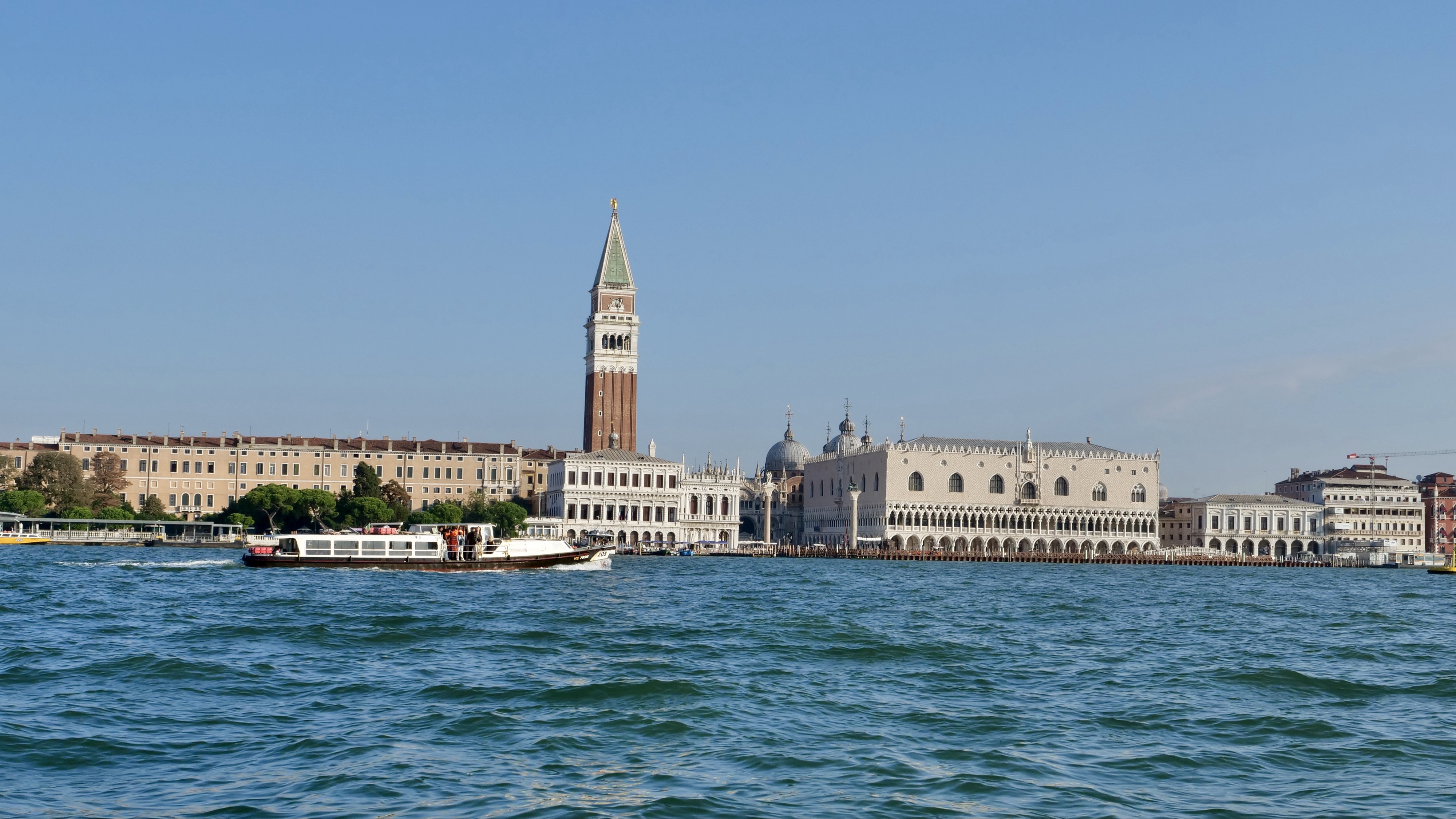
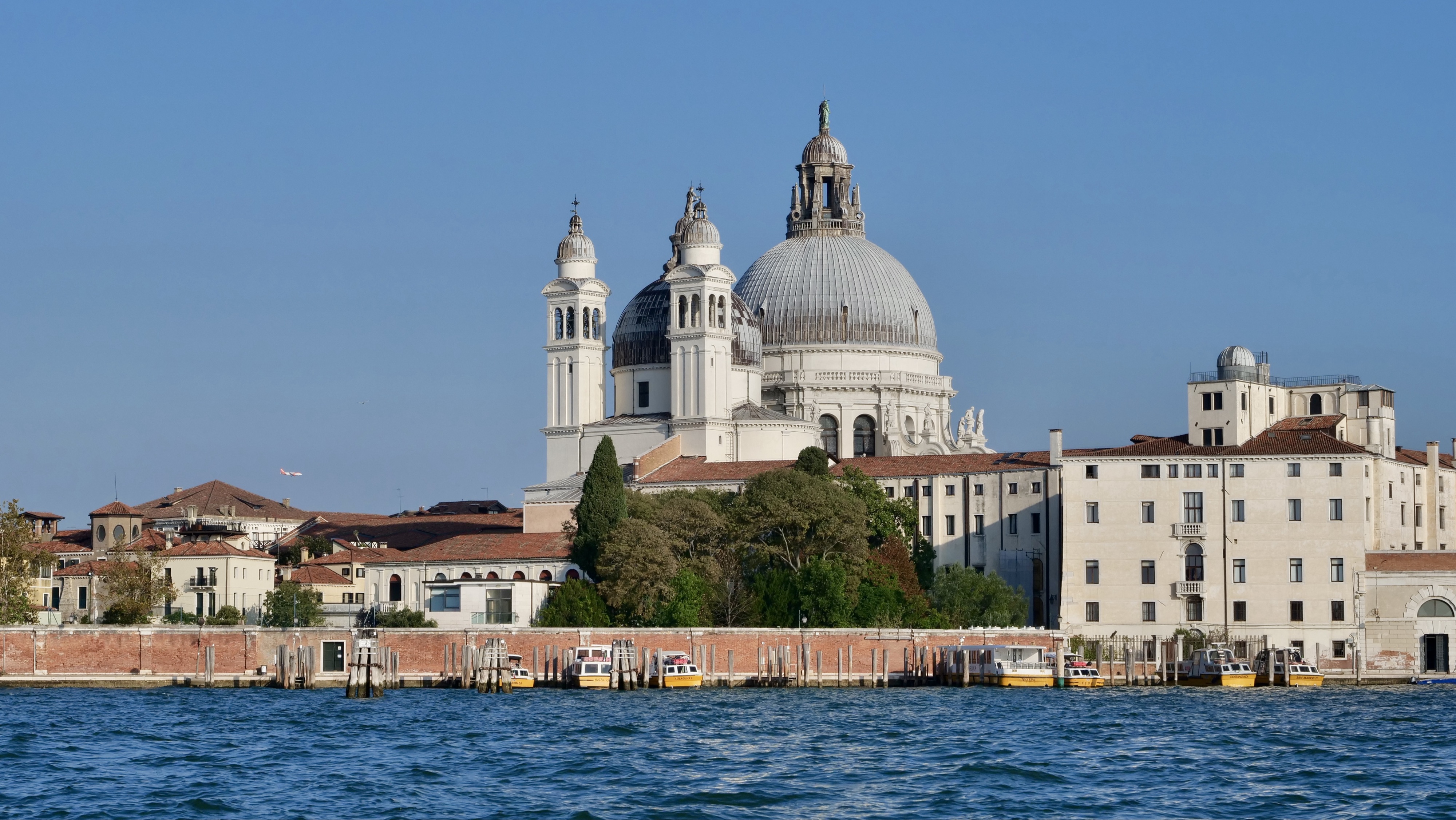
Today started with a boat ride to Murano to watch glassblowers at work, then continues into Venice proper for a walking tour through the alleyways and over the bridges to St. Mark's Square - the pink marble Doge's Palace, the Bridge of Sighs, and the golden mosaics of the Basilica di San Marco. The rest of the day is free to wander on our own and we took a gondola ride.
Verona Walking Tour, Travel to Venice
September 14, 2026
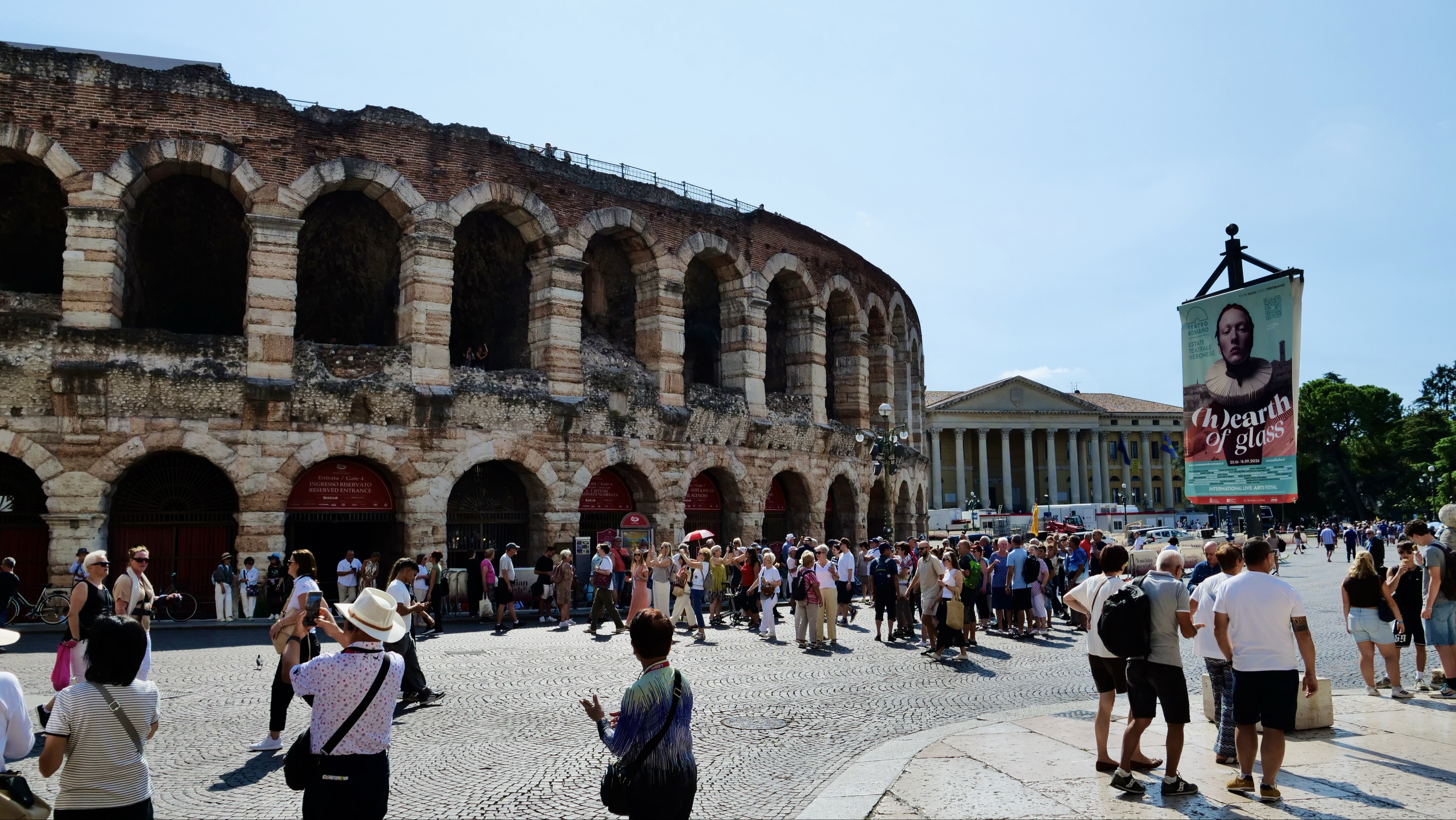
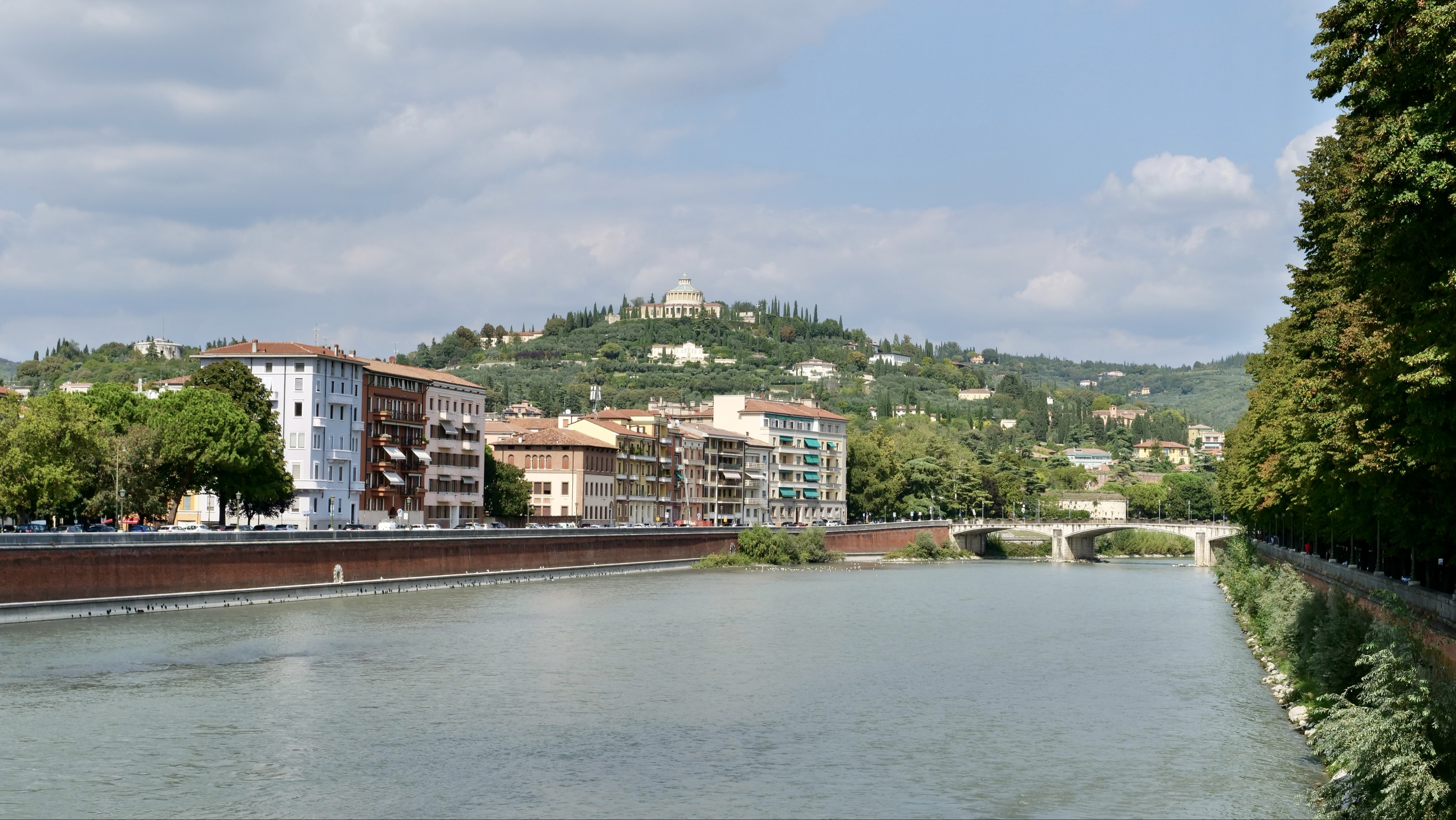
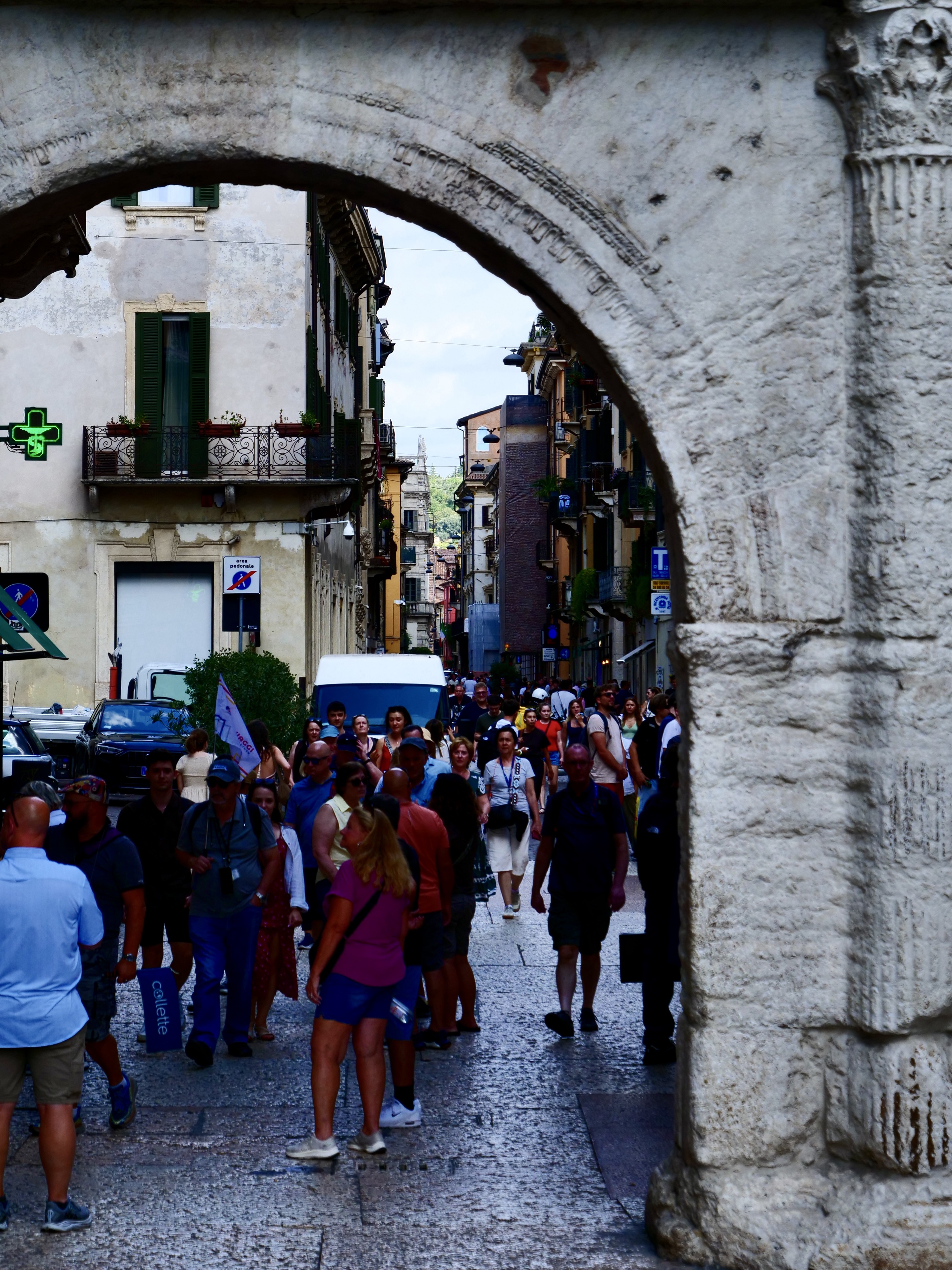
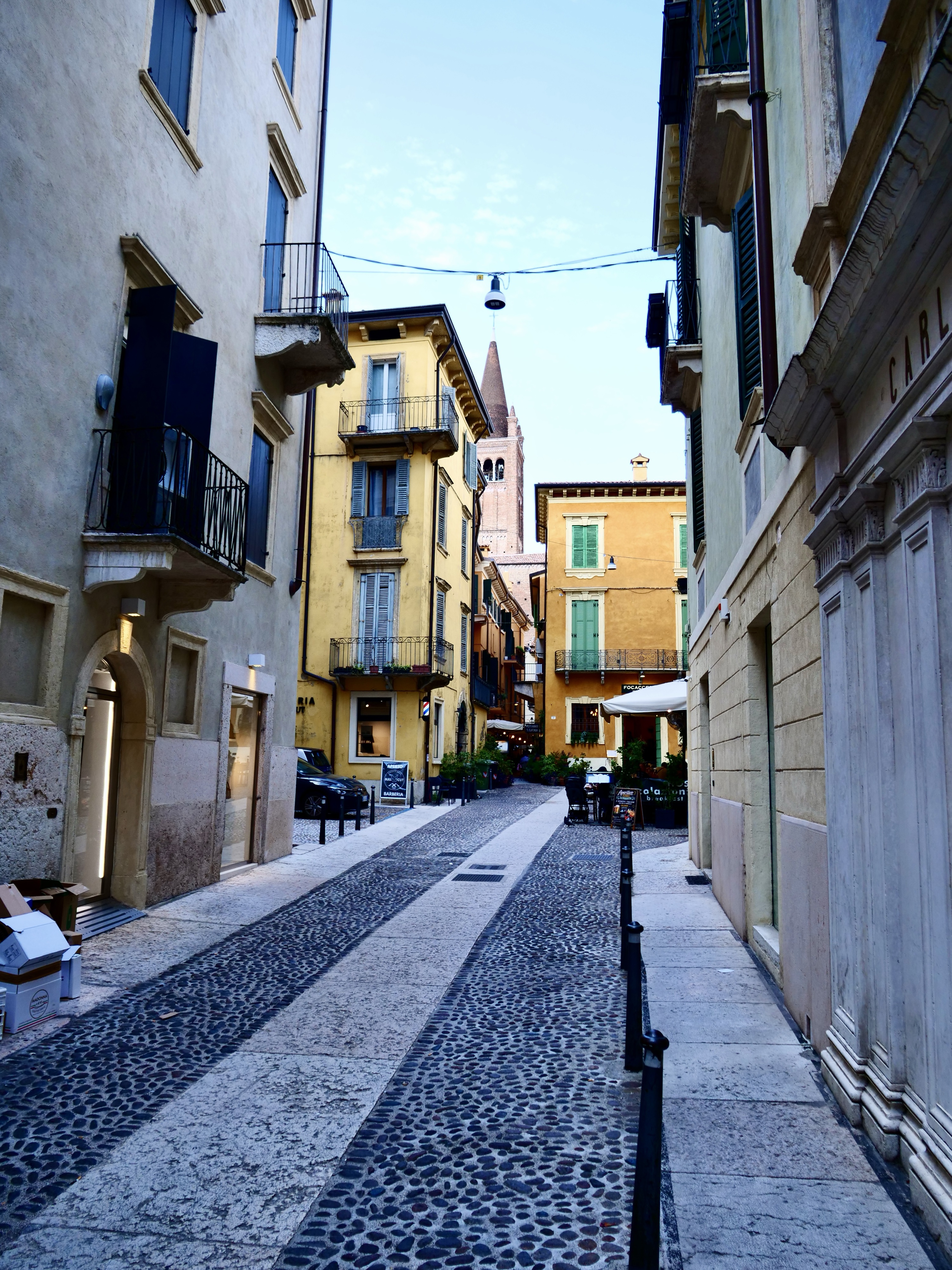
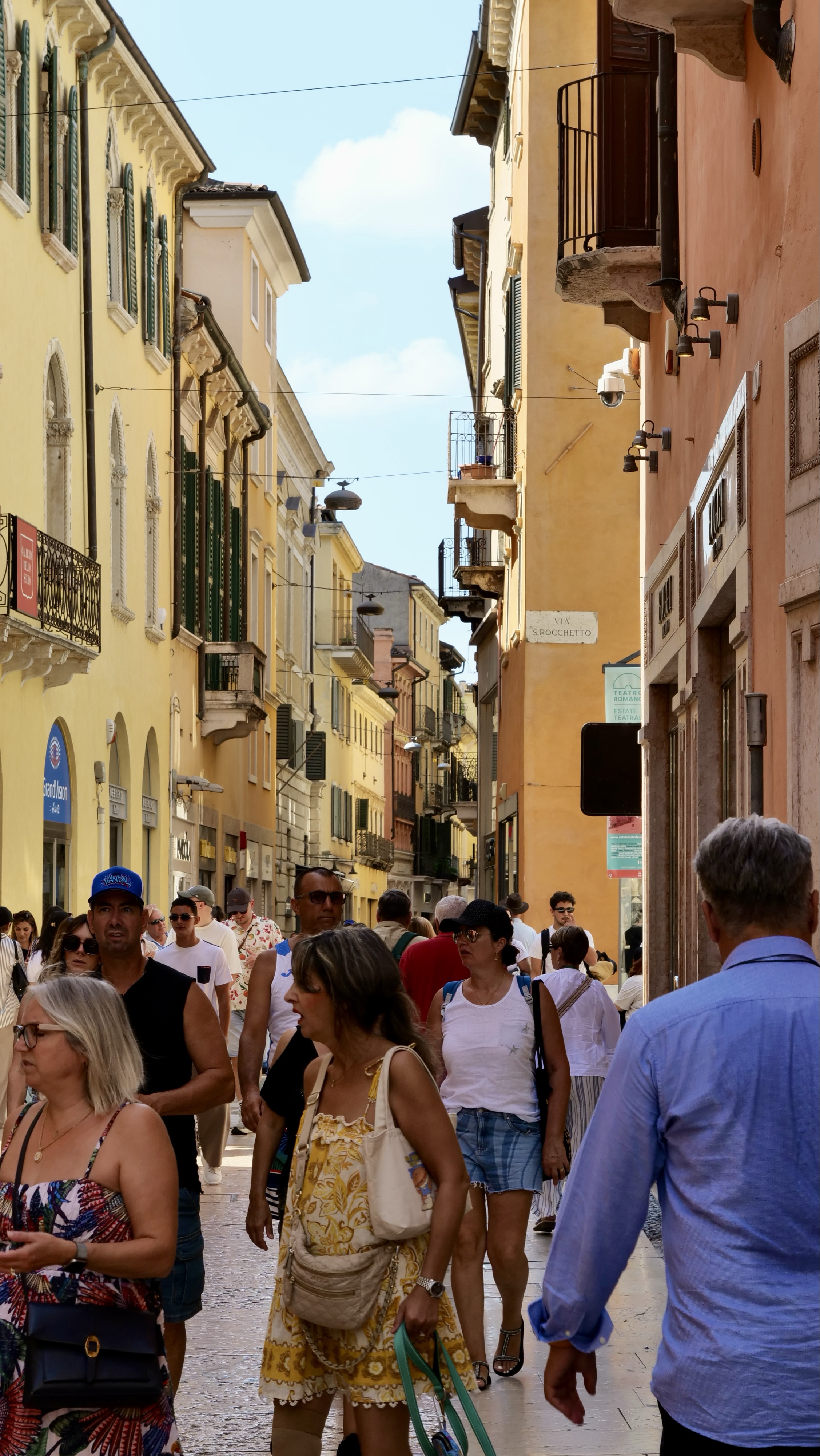
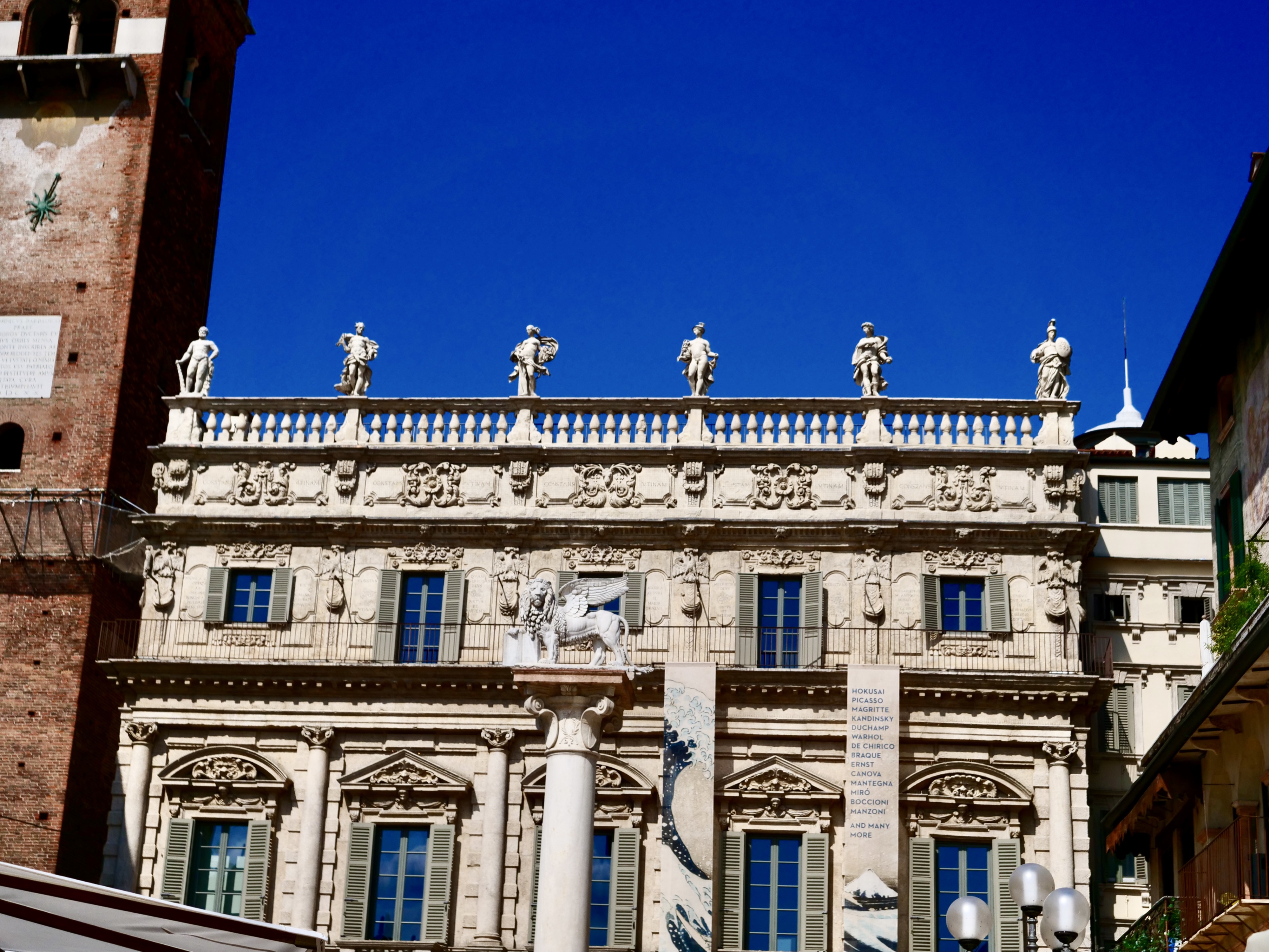
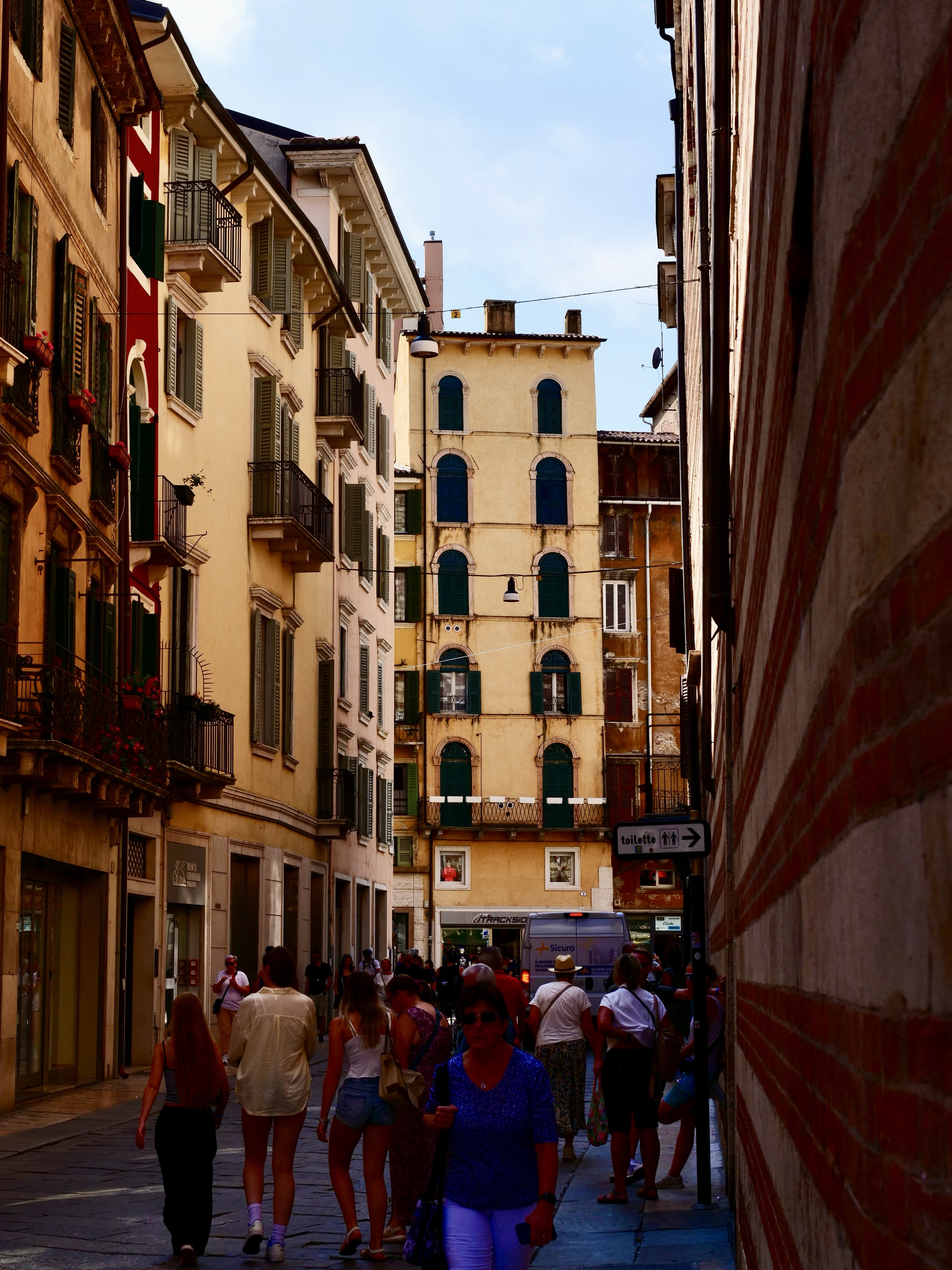
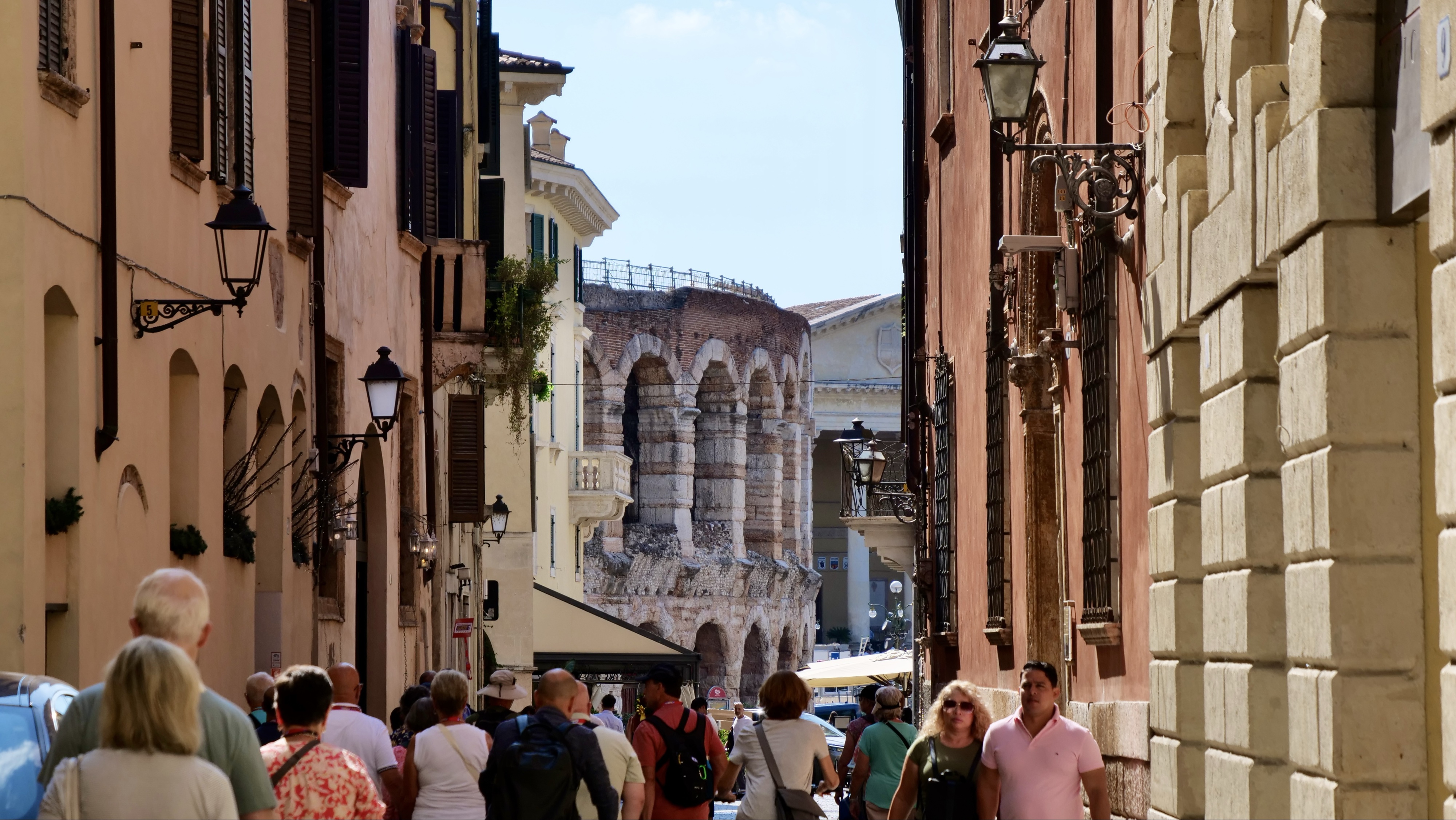
Verona's old center is a genuine UNESCO World Heritage Site, not just a stop on the way to somewhere else - it earned that listing in 2000 for something fairly rare: an urban plan that's stayed legible for 2,000 years straight, with intact Roman, medieval, Renaissance, and Venetian layers all still visible in the same streets rather than paved over by any one era.
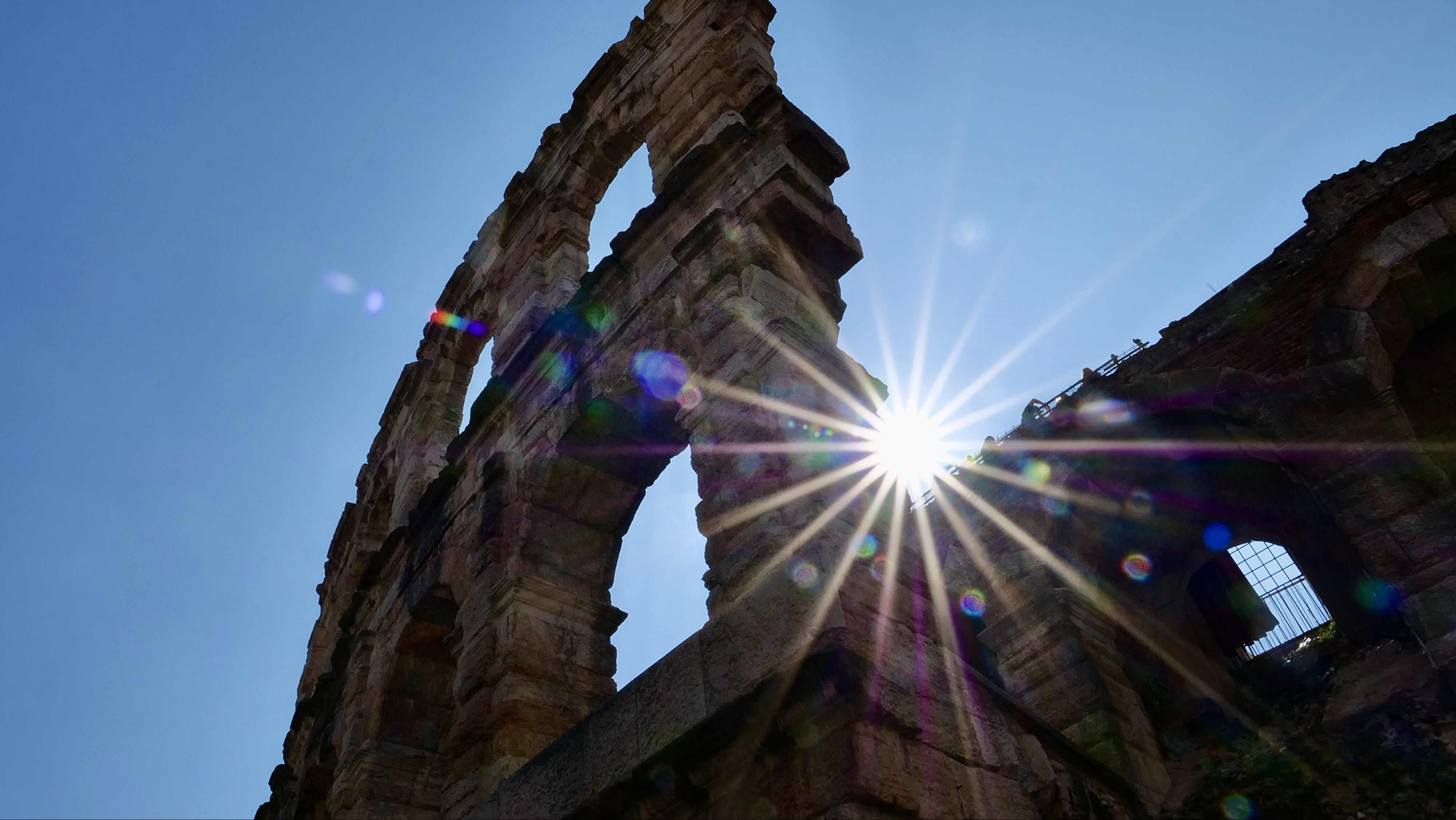
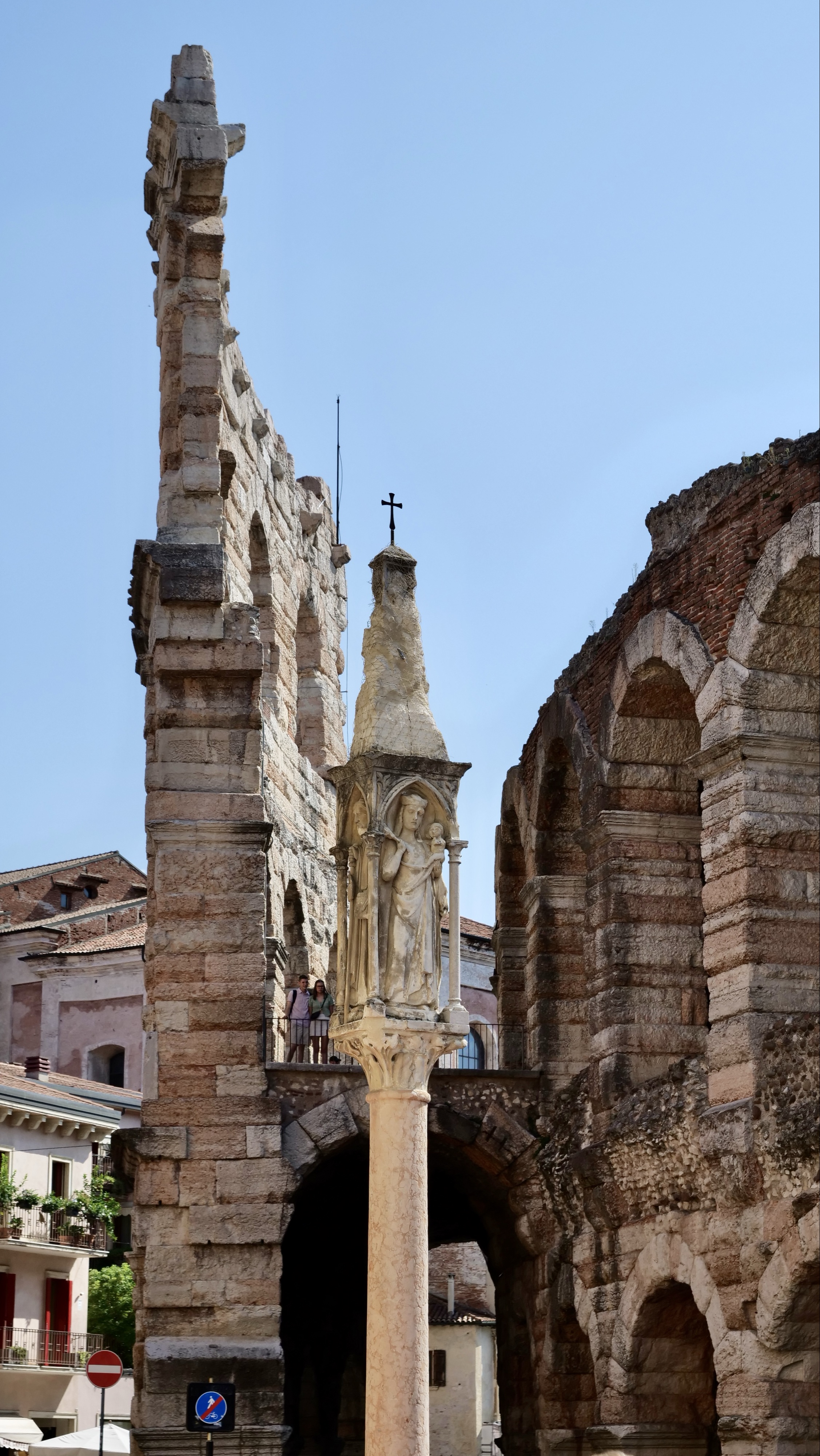
The city started life as a Roman colony around 89 BC, and its enormous first-century amphitheater - the Arena di Verona - is still in near-original condition and still hosting opera under the stars most summers, which is a fairly remarkable thing for a 2,000-year-old building to be doing.
The city's other claim to fame is entirely fictional, but with an odd grain of truth buried in it. Shakespeare set Romeo and Juliet here, but the feuding families themselves may not be pure invention: Dante mentions two real, historically feuding Veronese families, the Cappelletti and the Montecchi, in Purgatorio, written in the early 1300s.
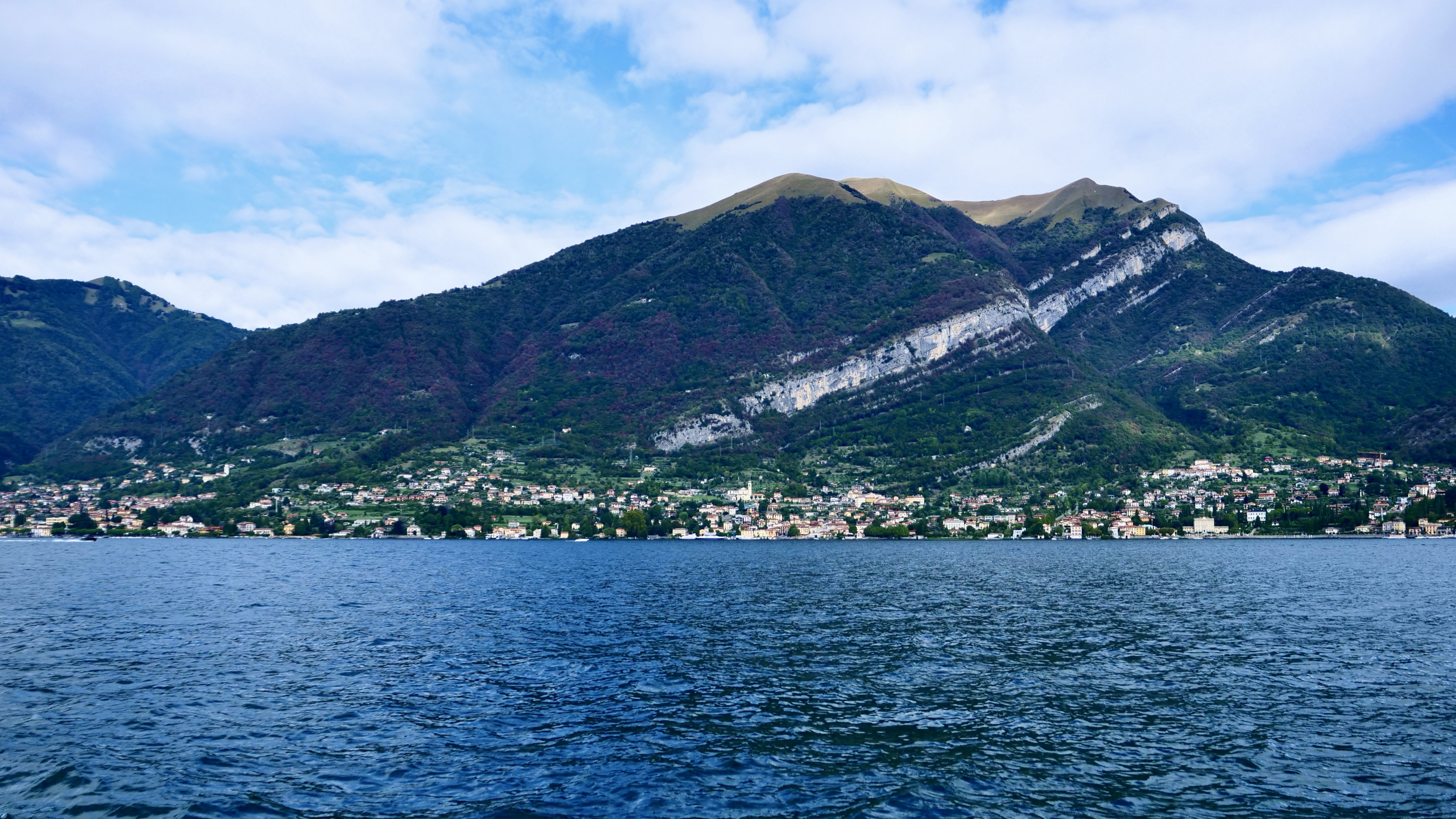
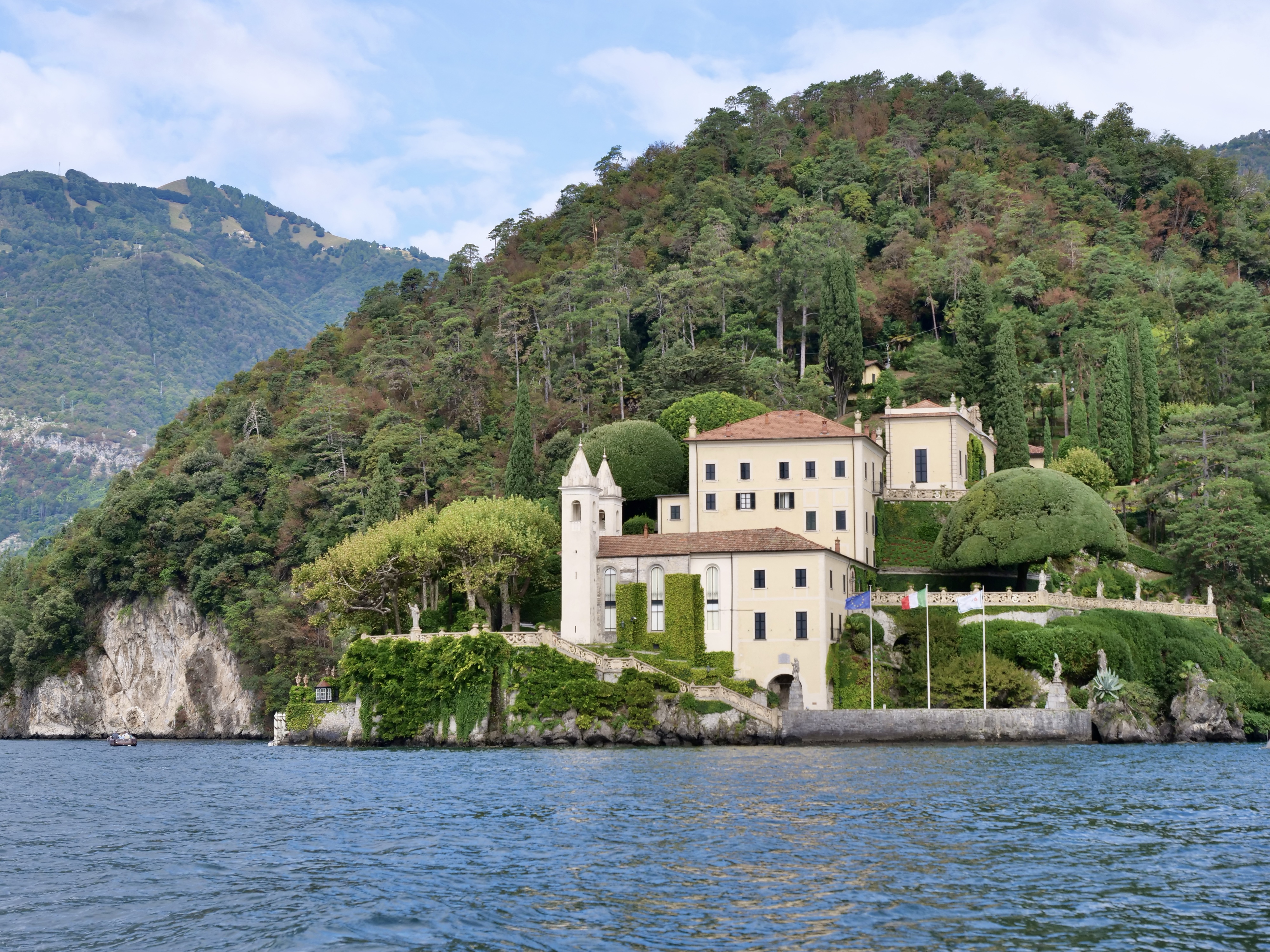
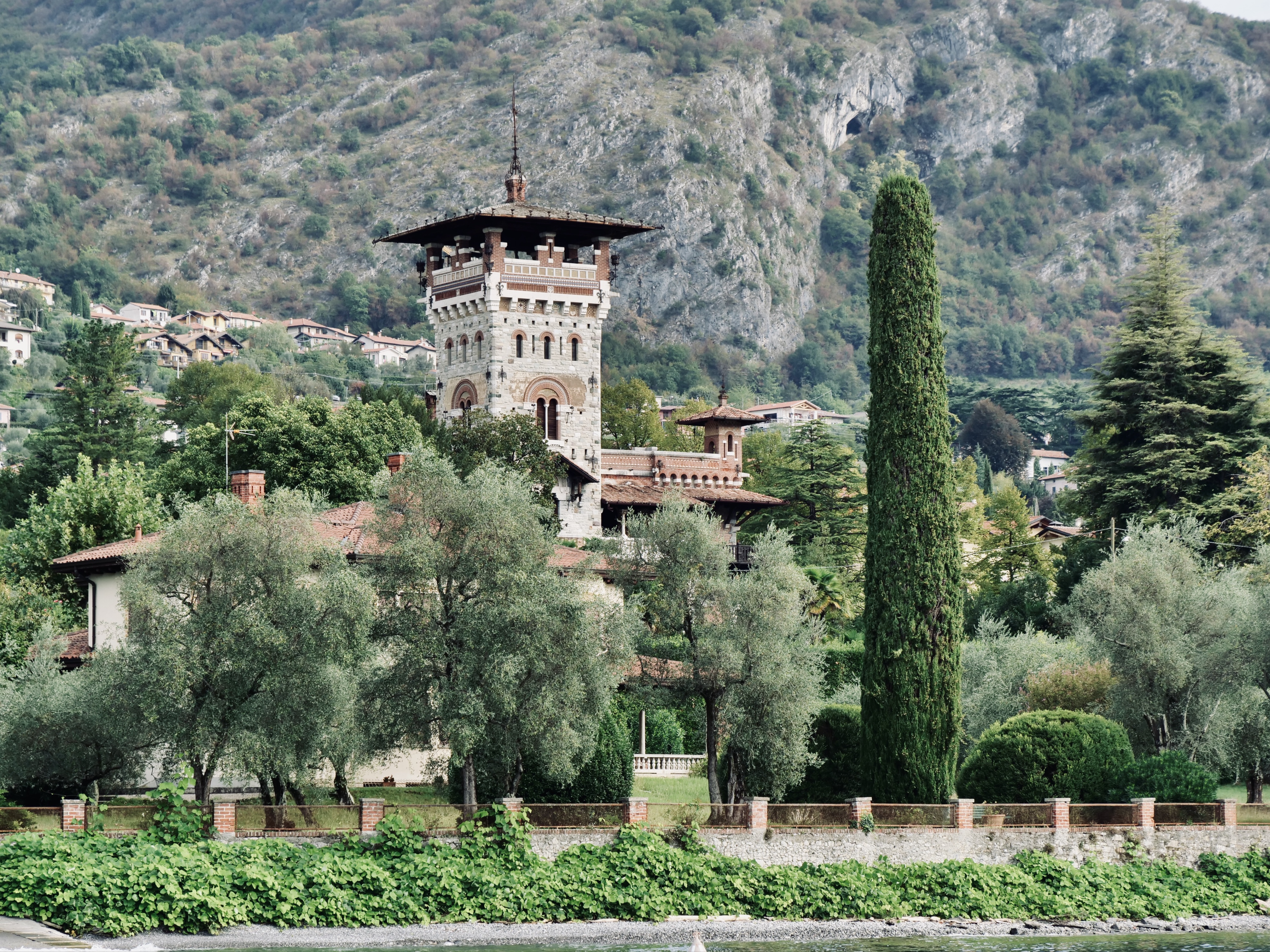
Cross Lake Como to Bellagio and quick trip to Switzerland.
September 13, 2026
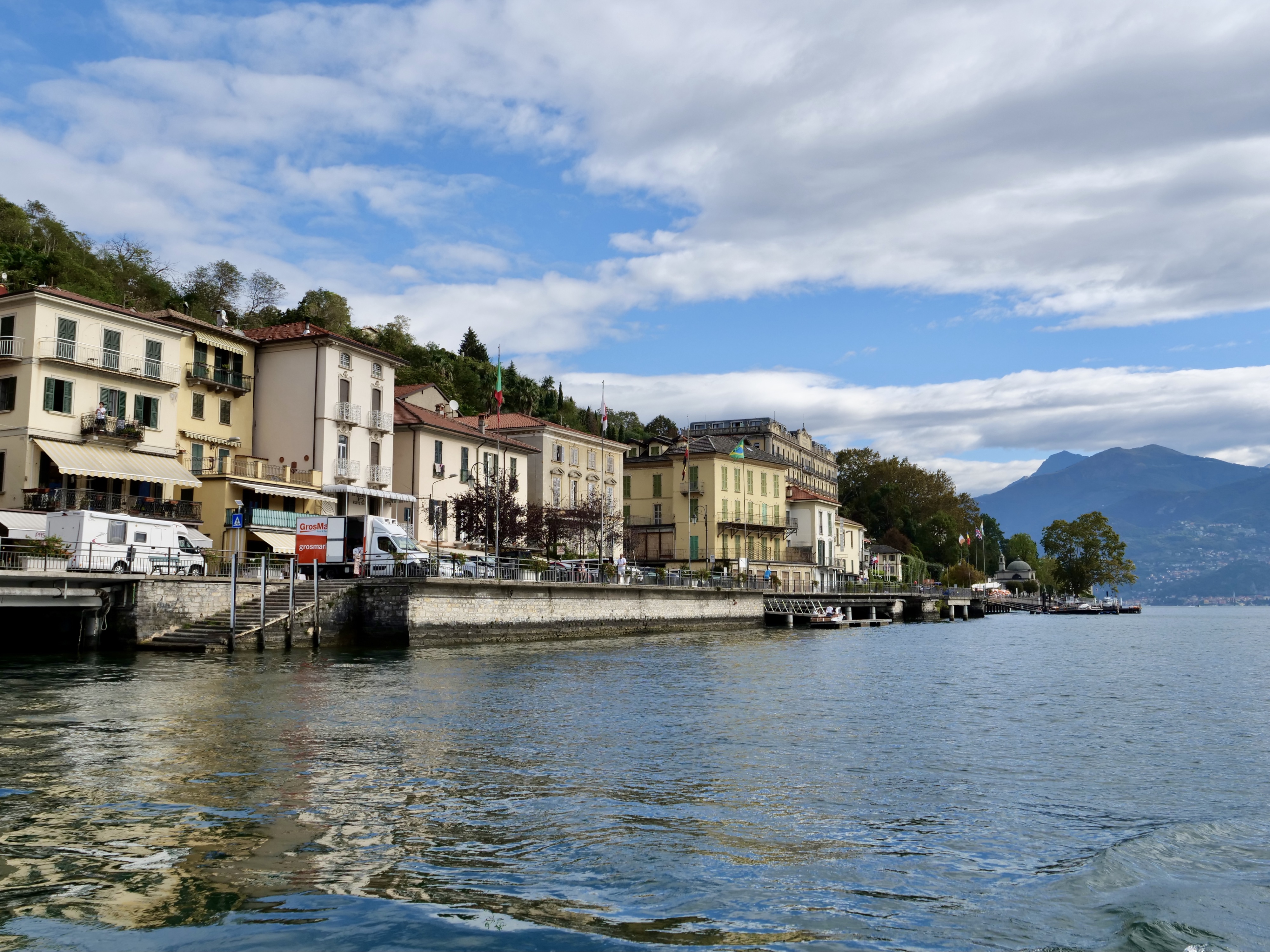
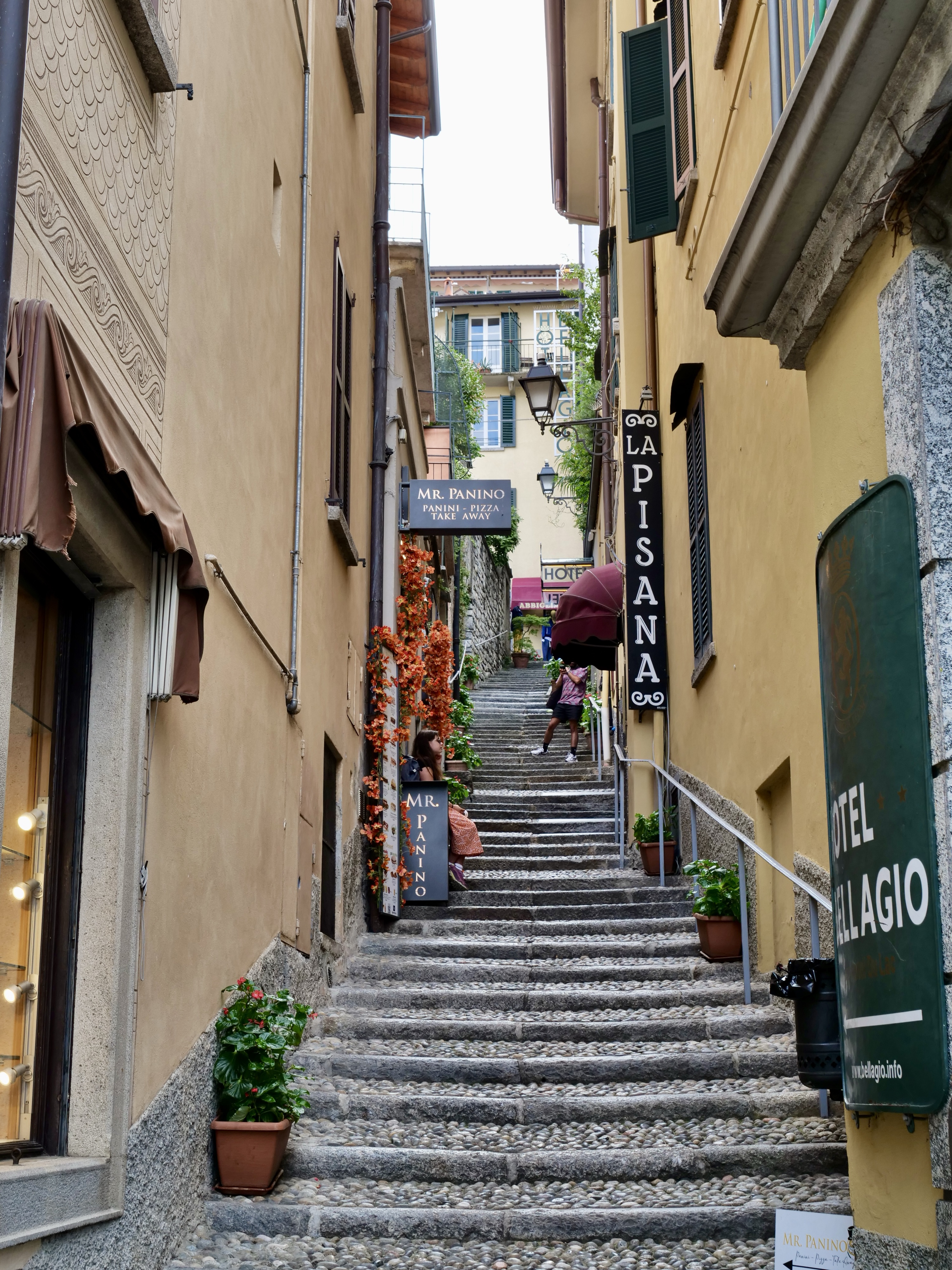
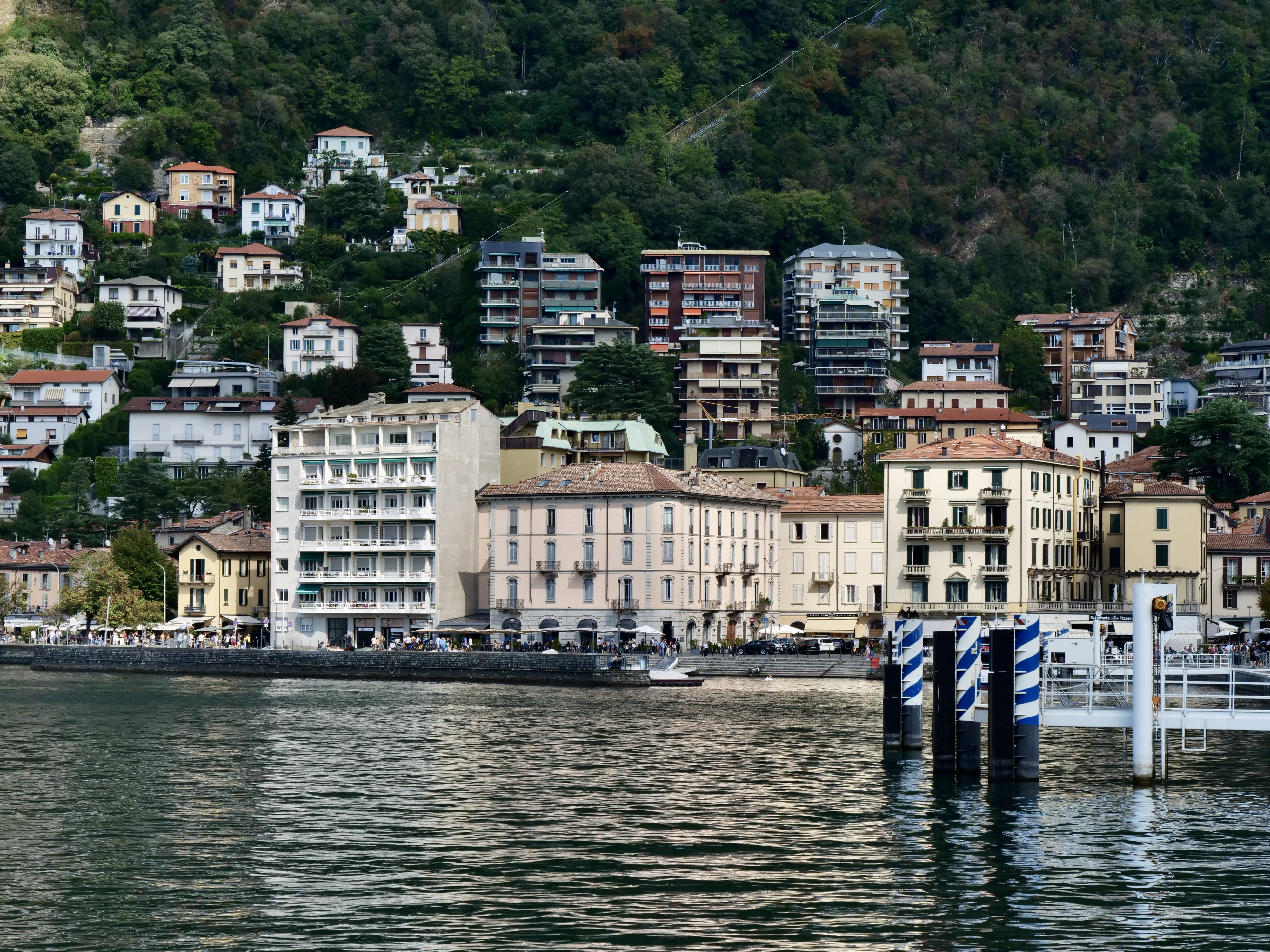
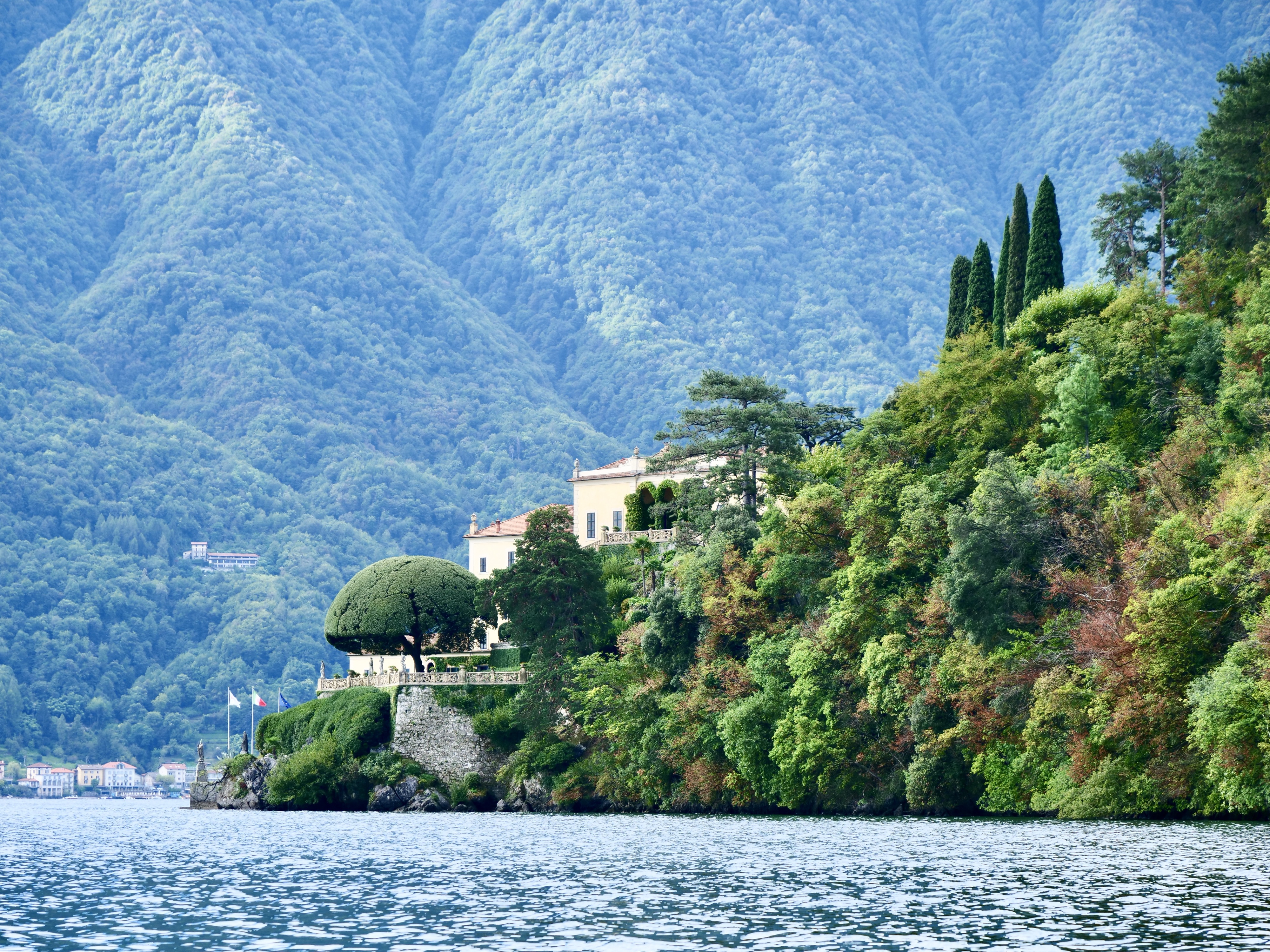
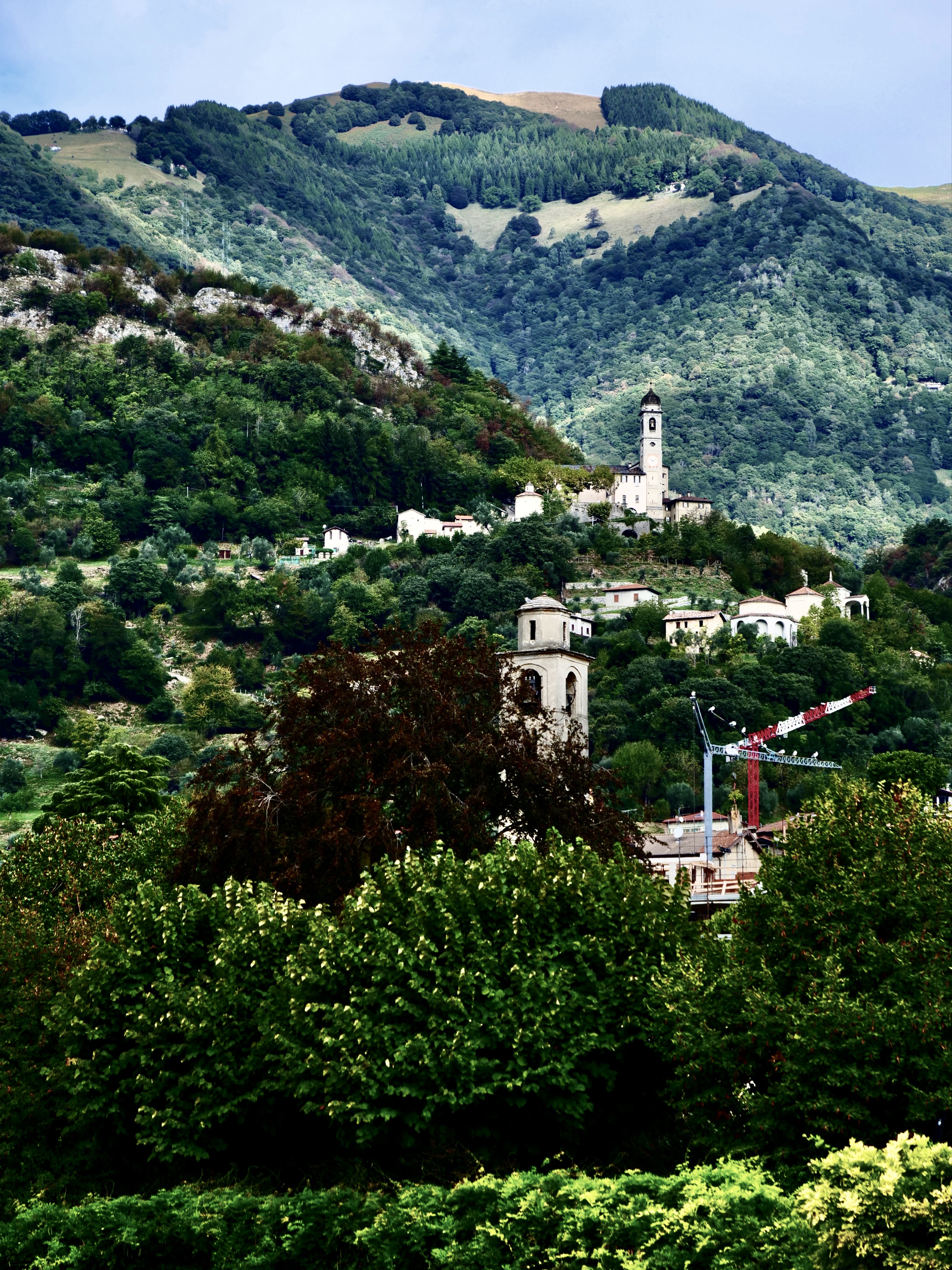
This morning we take a scenic ferry across the lake to Bellagio, which has earned its nickname "The Pearl of Lake Como", it sits on the promontory where the lake splits into its two southern branches, with earth-toned buildings climbing up from the water and narrow lanes full of craft shops and cafes to get lost in.
In Bellagio we had gelato for lunch.
We took a quick trip to Switzerland, a bonus we were not expecting, and had a cold drink by the lake.